
Half Life 2 Game Review
Half-Life 2 stands as gaming’s definitive testament to how innovation, artistry, and technical excellence can create an experience that defies time itself. Nearly two decades after its 2004 release, Valve’s magnum opus continues to cast a long shadow over the first-person shooter genre it helped redefine. This isn’t merely a game that was great “for its time” – it’s a masterclass in game design whose brilliance remains undimmed by the passage of years. Whether you’re a curious newcomer or a veteran revisiting City 17, join us as we explore why Half-Life 2 deserves its place in the pantheon of gaming greatness.
A Legacy in Context: The Game That Changed Everything
When Valve released Half-Life 2 in November 2004, the gaming landscape was forever altered. Following a troubled five-year development cycle that included a notorious source code leak, the game arrived alongside Steam – Valve’s then-controversial digital distribution platform that would eventually revolutionize how PC games were sold and played.
Half-Life 2 wasn’t just a sequel; it was a statement. At a time when first-person shooters were still finding their footing in storytelling and environmental interaction, Valve delivered a game that seamlessly blended narrative, physics-based gameplay, and atmospheric world-building in ways that felt revolutionary. The Source Engine powering the game introduced unprecedented physics simulation, facial animations that could convey subtle emotions, and environments that responded realistically to player actions.
What made Half-Life 2 truly special wasn’t just its technical achievements, but how those innovations served the gameplay and storytelling. The physics weren’t merely a visual showcase – they fundamentally changed how players approached combat and puzzles. The facial animations weren’t just impressive tech demos – they brought characters to life in ways that made you care about their fates.
The World of City 17: Story & Setting
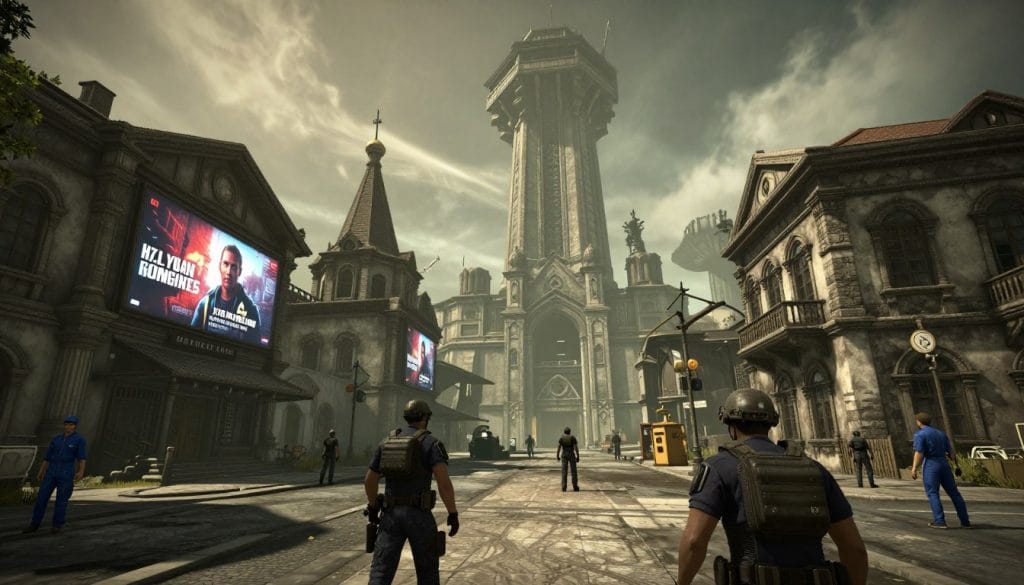
Half-Life 2 opens with the mysterious G-Man awakening Gordon Freeman from stasis, dropping him into the dystopian City 17 – a masterpiece of oppressive world-building. This Eastern European-inspired urban center exists under the brutal occupation of the Combine, an interdimensional empire that conquered Earth in the aftermath of the Black Mesa incident from the first game.
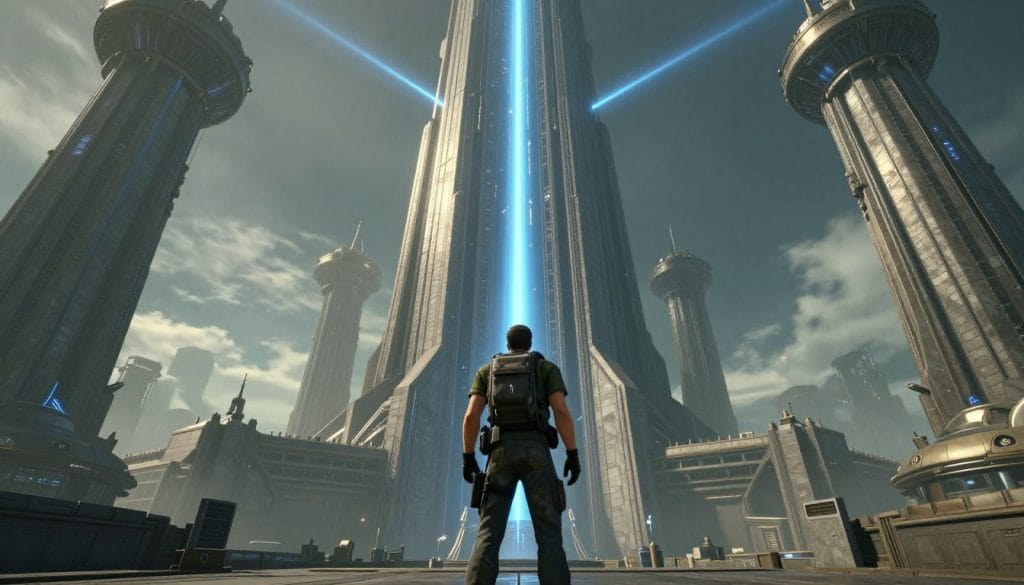
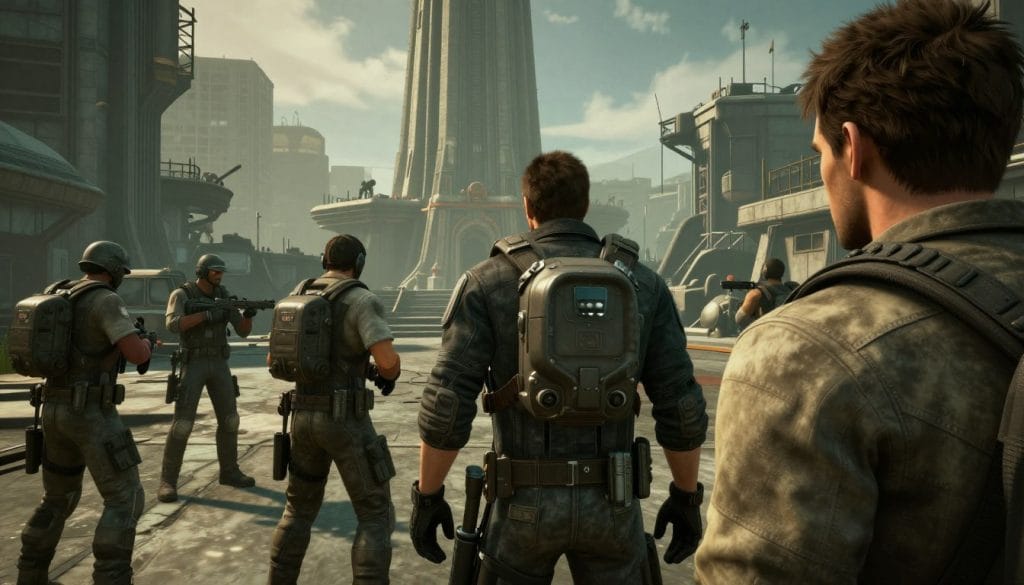
The game excels at environmental storytelling. You learn about this world not through exposition dumps but by witnessing citizens being harassed by masked Civil Protection officers, seeing propaganda broadcasts from the human administrator Dr. Wallace Breen, and observing the bizarre alien technology grafted onto familiar architecture. The massive Citadel looming over the city serves as both a visual landmark and a constant reminder of the Combine’s overwhelming power.
As Gordon, you quickly find yourself aligned with the human resistance, reuniting with former Black Mesa colleagues and meeting new allies like Alyx Vance – one of gaming’s most well-realized companions. The story unfolds entirely from Gordon’s silent, first-person perspective, never breaking immersion with cutscenes or third-person moments. This commitment to player agency was revolutionary in 2004 and remains effective today.
Characters That Endure
Half-Life 2’s cast of characters represents some of gaming’s most memorable personalities. Dr. Kleiner’s absent-minded brilliance, Eli Vance’s warm paternal presence, and Barney’s wry humor provide humanity amidst the bleakness. The G-Man remains one of gaming’s most enigmatic figures, his precise motives and nature still debated by fans years later.
Most impressive is Alyx Vance, whose intelligence, competence, and emotional depth set new standards for companion characters. Through groundbreaking facial animation and exceptional voice acting, Alyx conveys complex emotions that create a genuine bond with the player – all without resorting to romantic tropes or damsel-in-distress scenarios.
“Rise and shine, Mr. Freeman. Rise and… shine. Not that I wish to imply you have been sleeping on the job. No one is more deserving of a rest…”
The Gravity Gun & The Physics of Fun
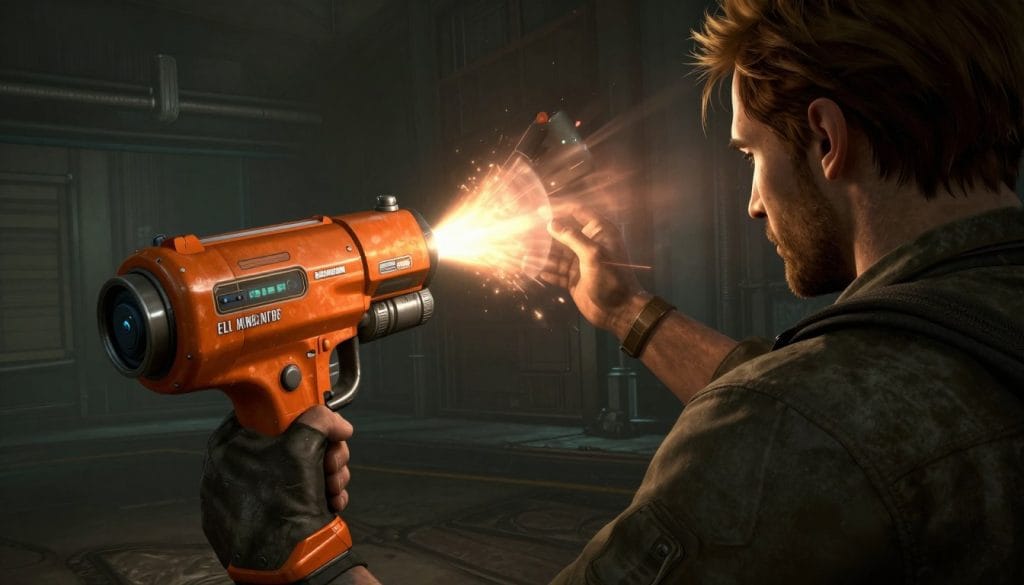
Half-Life 2’s most revolutionary contribution to gaming was its physics system, embodied most memorably in the Gravity Gun (officially the “Zero Point Energy Field Manipulator”). This iconic weapon/tool allowed players to pick up, manipulate, and launch objects in the environment with unprecedented fidelity. What could have been a mere gimmick instead became the centerpiece of the game’s design philosophy.
The Gravity Gun transforms combat from a simple shooting gallery into a playground of creative possibilities. Why waste precious ammunition when you can launch saw blades at enemies, create barricades with furniture, or turn explosive barrels into improvised rockets? The satisfaction of pinning a Combine soldier to a wall with a hurled radiator or dispatching zombies with their own severed limbs remains unmatched in gaming.
Beyond combat, the physics system creates intuitive environmental puzzles that feel natural rather than contrived. Balancing a seesaw with concrete blocks to create a ramp, stacking crates to reach higher areas, or weighing down one side of a makeshift boat to prevent it from capsizing – these challenges engage your problem-solving skills without breaking immersion.
Experience Revolutionary Physics Gameplay
Half-Life 2’s physics-based gameplay remains innovative even by today’s standards. See why the Gravity Gun changed gaming forever.
Weapons & Combat: Balanced Perfection
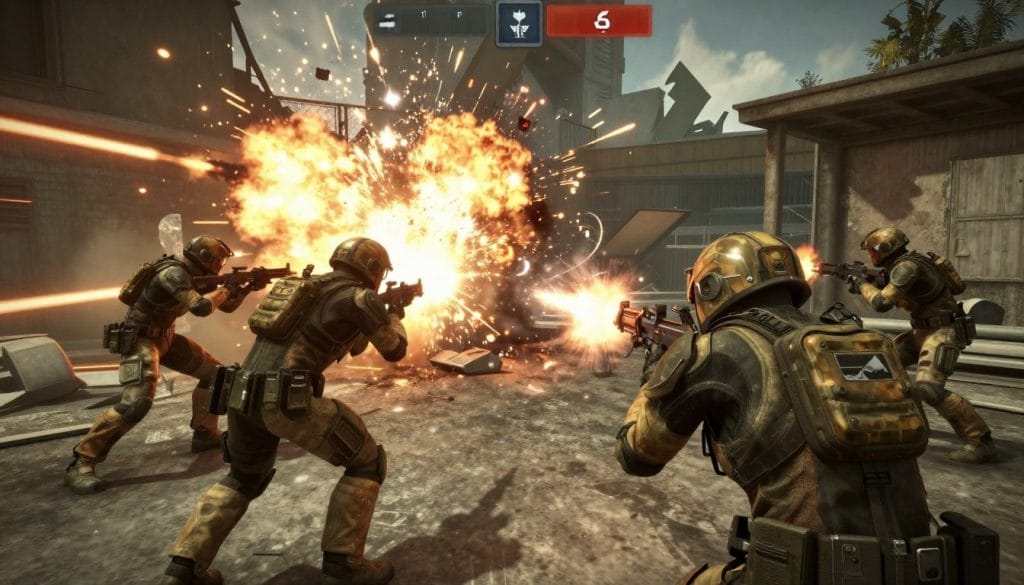
While the Gravity Gun steals the spotlight, Half-Life 2’s conventional arsenal deserves equal praise for its balanced design and satisfying feedback. Each weapon serves a distinct purpose without becoming obsolete as you progress. The pistol and SMG handle basic threats efficiently, while the shotgun delivers devastating close-range power. The crossbow offers precision for distant targets, and the pulse rifle provides futuristic firepower with its secondary energy ball that bounces lethally around environments.
Combat scenarios are masterfully crafted to showcase both the weapons and the game’s intelligent AI. Combine soldiers work together, using suppressing fire and flanking maneuvers that force you to stay mobile. The variety of enemies – from headcrab zombies to Combine gunships to the towering Striders – ensures that combat never becomes repetitive, with each encounter demanding different tactics.
Ravenholm: When Shooters Meet Horror
No discussion of Half-Life 2 would be complete without mentioning Ravenholm, the abandoned mining town that serves as the game’s most memorable level. This headcrab-infested nightmare represents a perfect marriage of shooter and horror elements, with limited ammunition forcing reliance on the Gravity Gun and environmental traps.
The level’s brilliant design gradually introduces new threats while maintaining constant tension. From the eerie welcome of Father Grigori to the final desperate climb to freedom, Ravenholm remains a masterclass in atmosphere and pacing that few games have matched since.
Pacing & Variety: A Masterclass in Game Flow
Half-Life 2’s pacing represents some of the finest level design in gaming history. The game constantly introduces new mechanics, environments, and challenges at precisely the right moments to maintain engagement without overwhelming the player. Just when you’ve mastered one aspect of gameplay, the game shifts gears to present a fresh experience.
The variety is remarkable – from tense urban combat to horror-tinged survival in Ravenholm, from high-speed vehicle sequences to physics puzzles, from directing squads of antlions to leading human resistance fighters. Each chapter has its own distinct flavor while maintaining cohesive gameplay fundamentals.
Vehicle Sections: Breaking New Ground
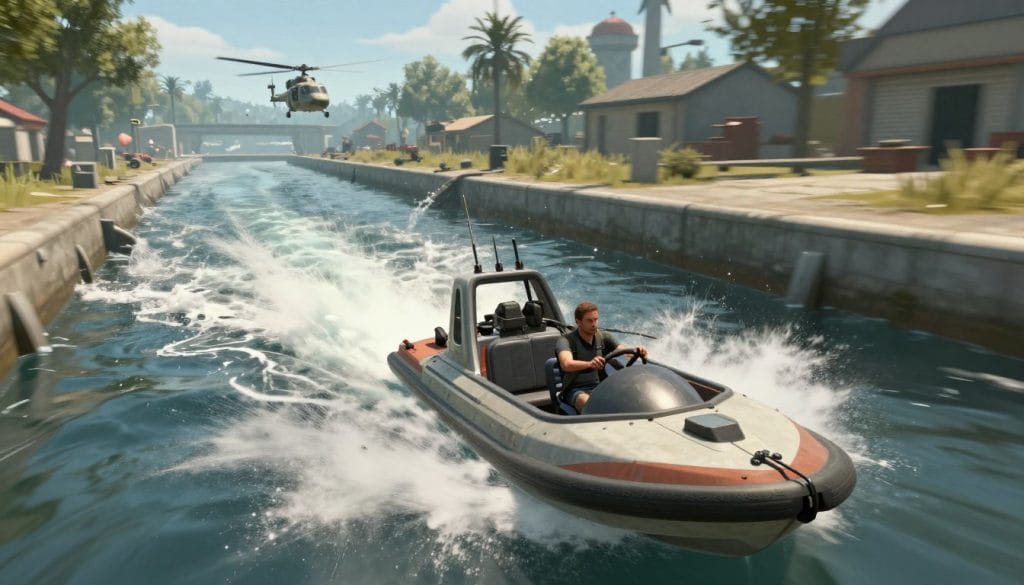
The airboat and buggy sequences were groundbreaking for their time, offering extended vehicular gameplay in a first-person shooter. These sections provide a welcome change of pace and showcase the Source Engine’s capabilities while expanding the game world. Racing through the canals while evading helicopter fire or navigating the coastal highway past Combine checkpoints creates memorable set-pieces that punctuate the on-foot combat.
While some modern players might find these sections slightly prolonged, they serve an important purpose in the overall rhythm of the game, providing breathing room between intense combat sequences and contributing to the sense of an epic journey.
Visuals, Sound & Atmosphere: Then and Now
Visual Design That Transcends Technology
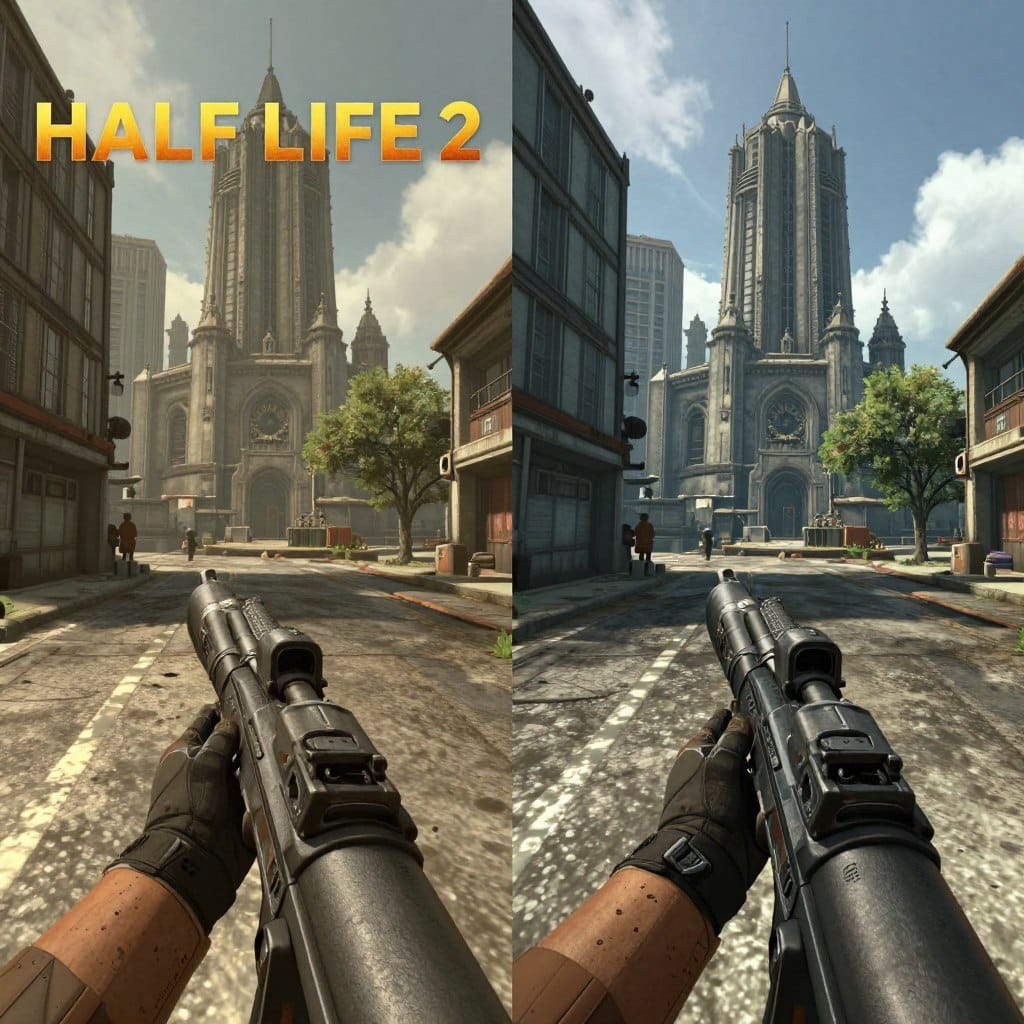
Half-Life 2’s visuals have aged remarkably well thanks to Valve’s focus on art direction over raw technical showmanship. While texture resolution and polygon counts have been surpassed by modern games, the cohesive aesthetic and atmospheric lighting continue to impress. The game’s Eastern European-inspired architecture, distinctive character designs, and imaginative alien technology create a unique visual identity that remains compelling.
The Source Engine’s water effects, physics simulation, and facial animation were revolutionary in 2004 and still hold up surprisingly well today. Modern enhancements through engine updates have kept the game looking respectable, but even in its original form, Half-Life 2’s visuals communicate its world effectively.
Sound Design: The Unsung Hero
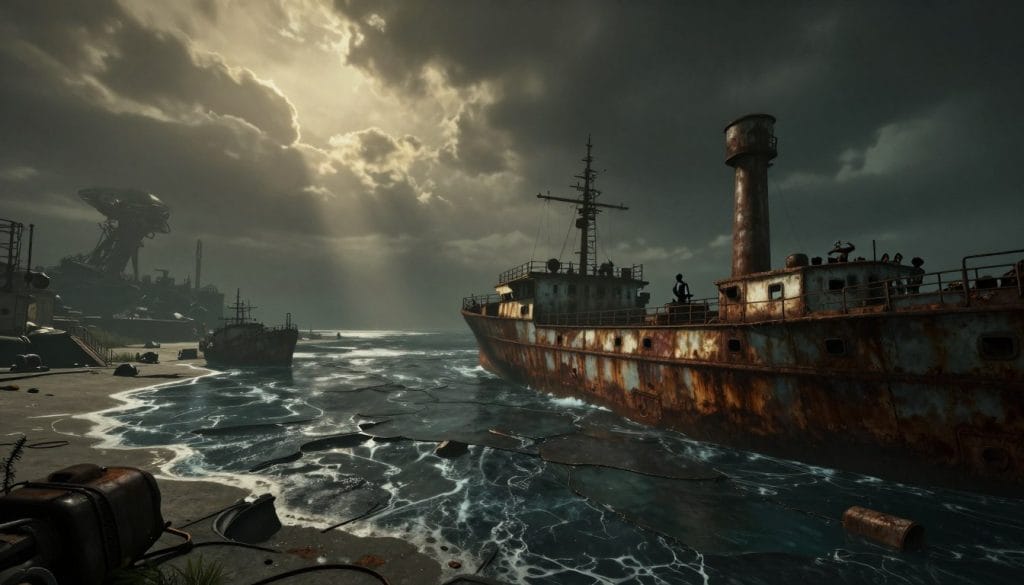
If Half-Life 2’s visuals have aged well, its sound design remains virtually timeless. From the distinctive pulse rifle discharge to the unsettling chittering of headcrabs, from the mechanical whir of Combine technology to the haunting ambient soundscapes, the audio creates an immersive atmosphere that draws players into the world.
Kelly Bailey’s soundtrack deserves special mention for its restraint and effectiveness. Rather than bombarding players with constant musical accompaniment, the score emerges at precisely the right moments to heighten tension or underscore emotional beats. The iconic ascending synthesizer motif that plays during key moments has become synonymous with the Half-Life experience.
The voice acting deserves equal praise, with performances that avoid video game voice acting clichés in favor of nuanced, believable delivery. Robert Guillaume’s warm portrayal of Eli Vance, Michelle Forbes’ tough yet empathetic Judith Mossman, and especially Merle Dandridge’s pioneering performance as Alyx Vance set new standards for character acting in games.
A Lasting Legacy: Why Half-Life 2 Still Matters
Half-Life 2’s influence on gaming cannot be overstated. Its innovations have become industry standards: physics-based gameplay, seamless narrative presentation, environmental storytelling, and realistic character interactions. Countless developers have cited it as a primary influence, with elements of its design philosophy visible in everything from BioShock to Portal to The Last of Us.
Beyond its direct gameplay innovations, Half-Life 2 changed the industry in other profound ways. Its release alongside Steam helped usher in the digital distribution era that now dominates PC gaming. Its episodic follow-ups, Episode One and Episode Two, pioneered a content model that has evolved into modern live service and DLC approaches.
The Unfinished Symphony
No discussion of Half-Life 2’s legacy would be complete without acknowledging the infamous “Episode Three” that never materialized. The cliffhanger ending of Episode Two left fans waiting for a conclusion that, until the release of Half-Life: Alyx in 2020, seemed destined never to arrive. This extended silence gave rise to the “Half-Life 3 confirmed” meme and made the franchise a symbol of unfulfilled potential in gaming storytelling.
Yet even this incomplete state speaks to the game’s impact – few titles could maintain such passionate interest and speculation more than a decade after their last installment. The recent release of Half-Life: Alyx has reignited hope for the series’ future while confirming that Valve’s commitment to innovation remains intact.
What Still Shines
- Revolutionary physics-based gameplay
- Masterful pacing and level design
- Immersive storytelling without cutscenes
- Memorable characters with excellent voice acting
- Atmospheric sound design
- Varied gameplay that never grows stale
What Shows Its Age
- Texture resolution by modern standards
- Vehicle sections can feel prolonged
- Some AI limitations become apparent
- Companion NPCs occasionally block pathways
- Unresolved cliffhanger ending
The Modern Experience: Playing Half-Life 2 Today
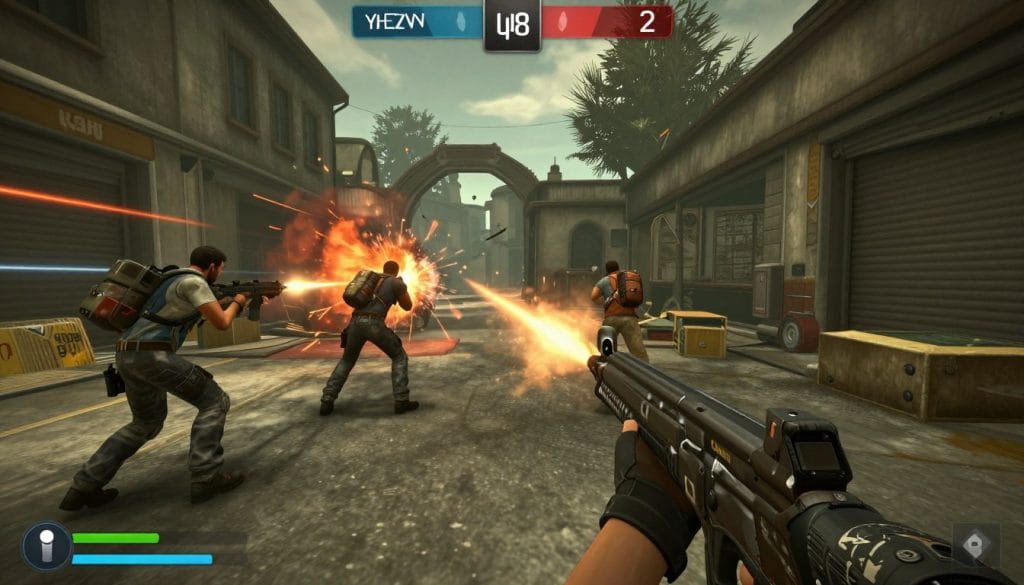
For those considering experiencing Half-Life 2 for the first time in 2023, the good news is that the game remains highly playable. Available on Steam for a modest price (and frequently discounted during sales), the game runs flawlessly on modern hardware and operating systems. Valve has maintained compatibility through regular engine updates.
Several options exist for enhancing the visual experience. The base game has received updates over the years that improve compatibility and performance, while community mods like Half-Life 2: Update offer enhanced lighting, bug fixes, and visual improvements while maintaining the original aesthetic. More ambitious mods like MMod overhaul gameplay elements and visuals for a more modern feel.
The Complete Experience
New players should consider experiencing the complete Half-Life 2 saga, including Episode One and Episode Two. These expansions continue the story directly and introduce refinements to gameplay and visuals. The Orange Box collection or Valve Complete Pack frequently go on sale and represent excellent value, including the original Half-Life and its expansions as well.
For those with VR capabilities, Half-Life: Alyx provides a stunning return to this universe that, while set before Half-Life 2, contains revelations that recontextualize the entire series and hint at its future.
Do I need to play Half-Life 1 before Half-Life 2?
While playing the original Half-Life enhances your understanding of the world and characters, Half-Life 2 was designed to be accessible to newcomers. The game provides enough context to understand the basic situation. If you prefer a more modernized experience of the original story, consider playing Black Mesa, a fan-made remake officially endorsed by Valve.
How long does it take to complete Half-Life 2?
A first playthrough typically takes 12-15 hours, depending on your pace and how thoroughly you explore. Adding Episode One and Episode Two extends the experience by approximately 10 more hours.
Are there any multiplayer components?
Half-Life 2 itself is a single-player experience. The original release included Counter-Strike: Source as its multiplayer component. The game has spawned numerous multiplayer mods, with Garry’s Mod being the most famous, evolving from a physics playground into its own platform for creativity.
Verdict: A Masterpiece That Transcends Time
Half-Life 2 isn’t merely a great game of its era – it’s a landmark achievement in interactive entertainment that continues to impress nearly two decades later. Its seamless blend of immersive storytelling, innovative gameplay, and atmospheric world-building created a template that countless games have followed but few have matched.
What makes Half-Life 2 truly special is how its technical innovations serve the gameplay experience rather than existing as mere showcases. The physics system creates emergent gameplay possibilities that feel as fresh today as they did in 2004. The character performances convey emotion with a subtlety that many modern games still struggle to achieve. The level design guides players without obvious handholding, respecting their intelligence while providing a perfectly paced experience.
For new players, Half-Life 2 offers a chance to experience a pivotal moment in gaming history that remains thoroughly enjoyable on its own merits. For veterans, it rewards revisiting with its depth, attention to detail, and the recognition of just how many modern gaming conventions it helped establish.
In an industry often fixated on the latest technological advancements, Half-Life 2 stands as a testament to the timeless nature of thoughtful design, creative innovation, and artistic vision. It isn’t just a masterpiece of its time – it’s a masterpiece for all time.
Experience the Legend Yourself
Half-Life 2 remains as captivating today as it was revolutionary in 2004. Don’t miss this essential gaming experience that helped shape modern FPS design.
What are your memories of Half-Life 2? Whether you’re a longtime fan or just experiencing it for the first time, share your thoughts in the comments below. The legacy of Gordon Freeman’s journey through City 17 continues to resonate with players around the world – become part of that ongoing conversation.