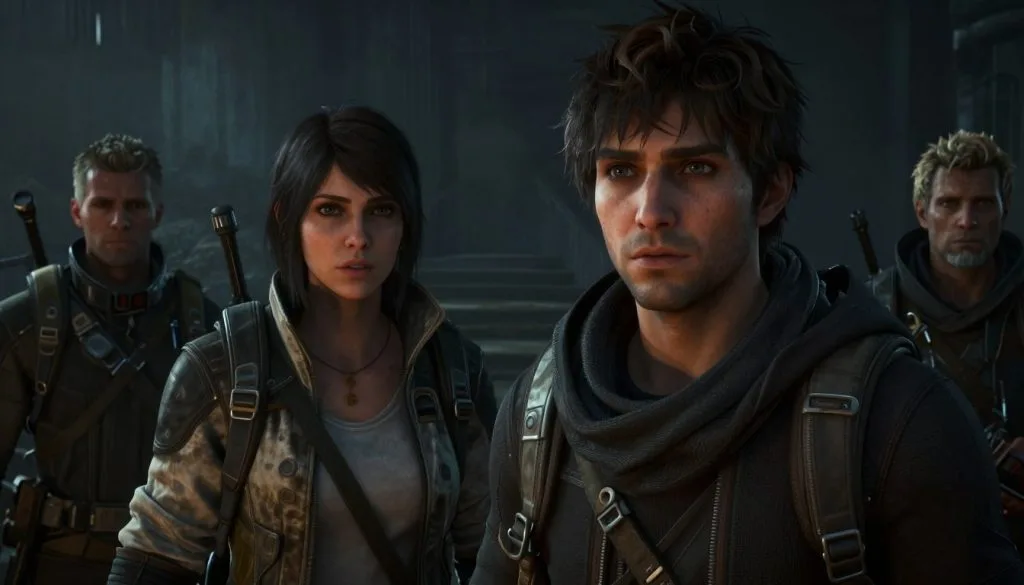
The Warframe Game Review
Warframe stands as one of gaming’s most remarkable evolution stories. Launched in 2013 by Digital Extremes, this free-to-play cooperative online action game has transformed from a simple space-ninja shooter into a vast, complex universe filled with open worlds, deep storylines, and one of gaming’s most dedicated communities. But is it worth jumping into in 2026? This Warframe game review will break down everything you need to know before diving into the Origin System.
Overview & Core Concept: Awakening in a Fractured Solar System
In Warframe, you play as a Tenno, an ancient warrior awakening from cryosleep in the far future. The solar system is fractured by war between three main factions: the militaristic clone army called the Grineer, the profit-obsessed tech cult known as the Corpus, and the horrifying mutated Infested. As a Tenno, you don your Warframe – a techno-organic suit of armor with unique abilities – and fight to restore balance to the system.
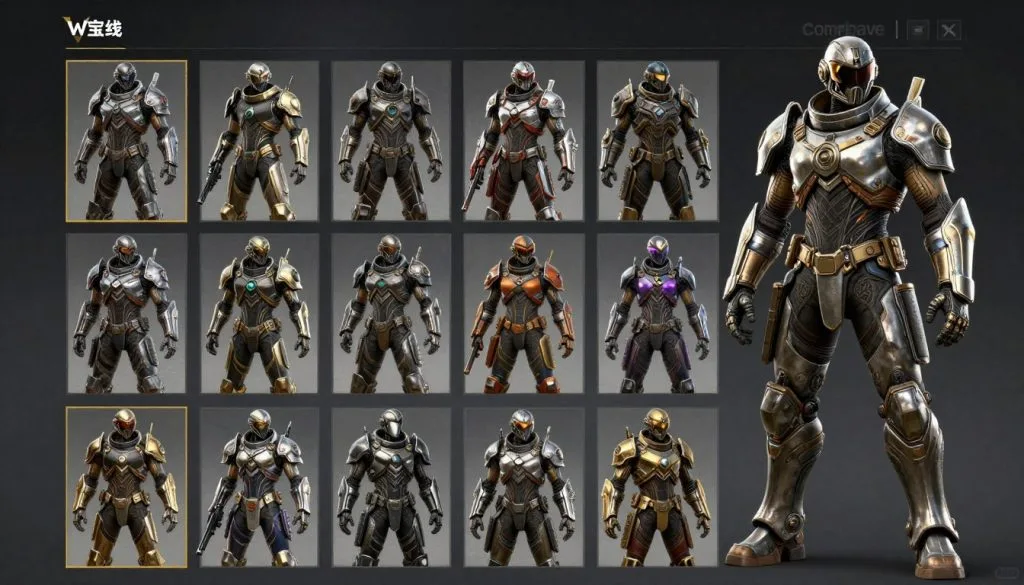
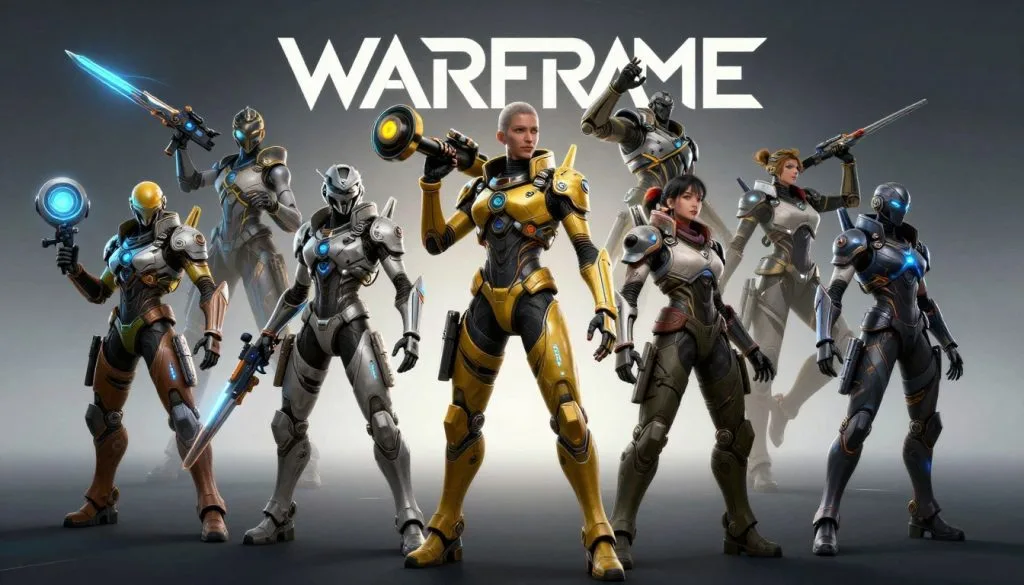
The core gameplay loop revolves around acquiring new Warframes, weapons, and upgrades by completing missions across the solar system. Each of the 50+ Warframes offers distinct powers and playstyles, from Excalibur’s sword mastery to Volt’s lightning manipulation or Ivara’s stealth archery. This variety forms the foundation of Warframe’s appeal – there’s always something new to craft, level up, and master.
Gameplay Analysis: Ninjas Play Free
Movement & Combat: A Ballet of Destruction
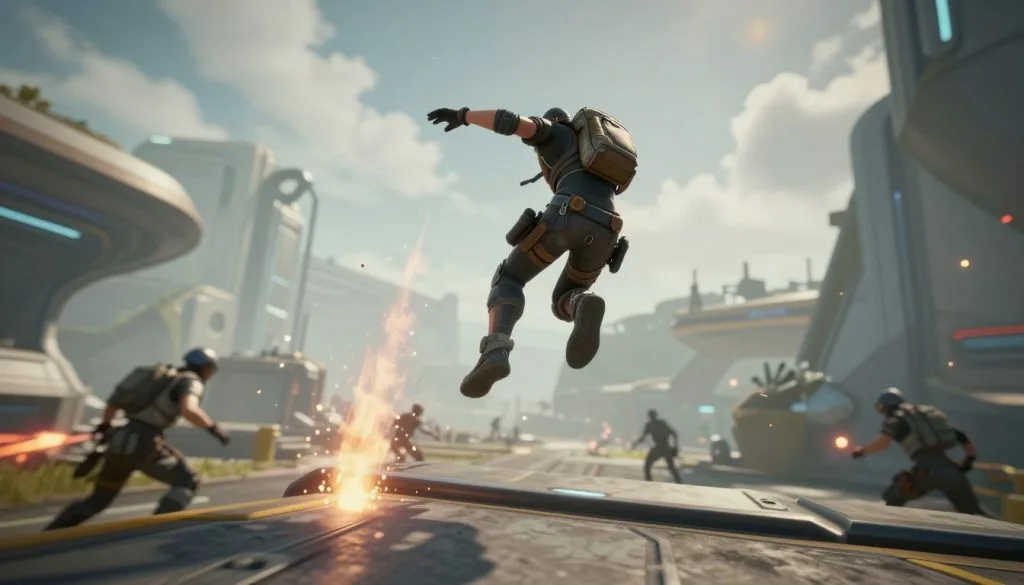
Warframe’s most distinctive feature is its movement system. Players can slide, wall-run, bullet-jump, and glide through environments with incredible fluidity. This “parkour 2.0” system creates a unique combat flow where positioning and momentum are just as important as aim. Few games can match the satisfaction of sliding through an enemy’s legs while slicing them with a katana, then bullet-jumping into the air to rain down arrows on their allies.
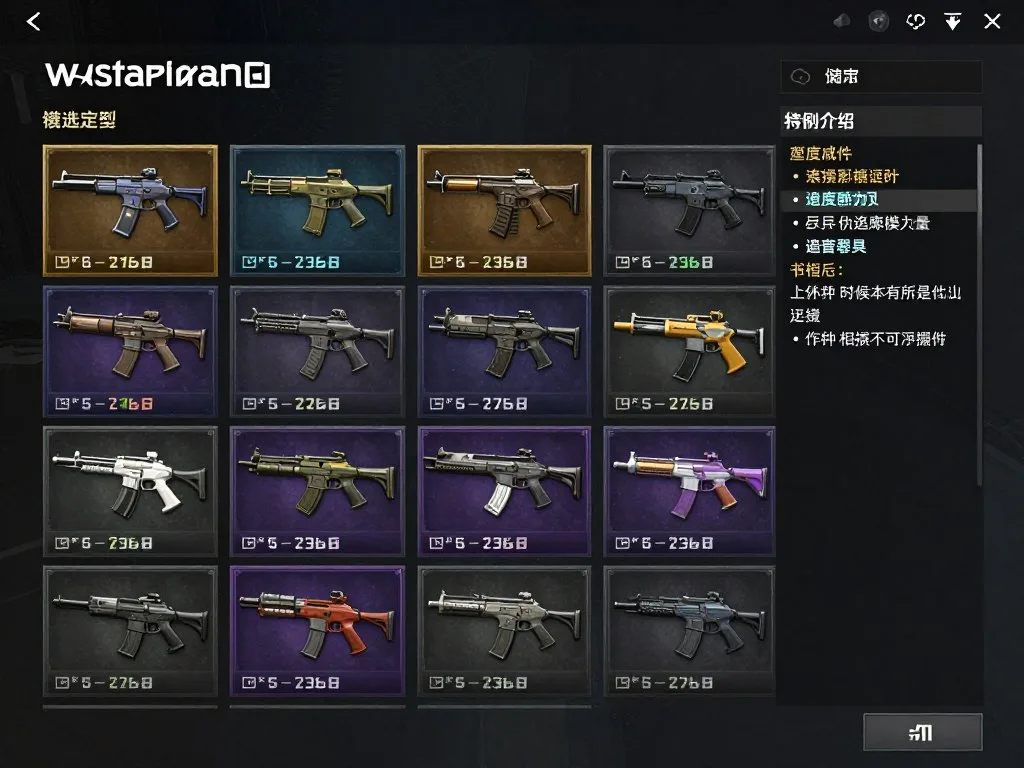
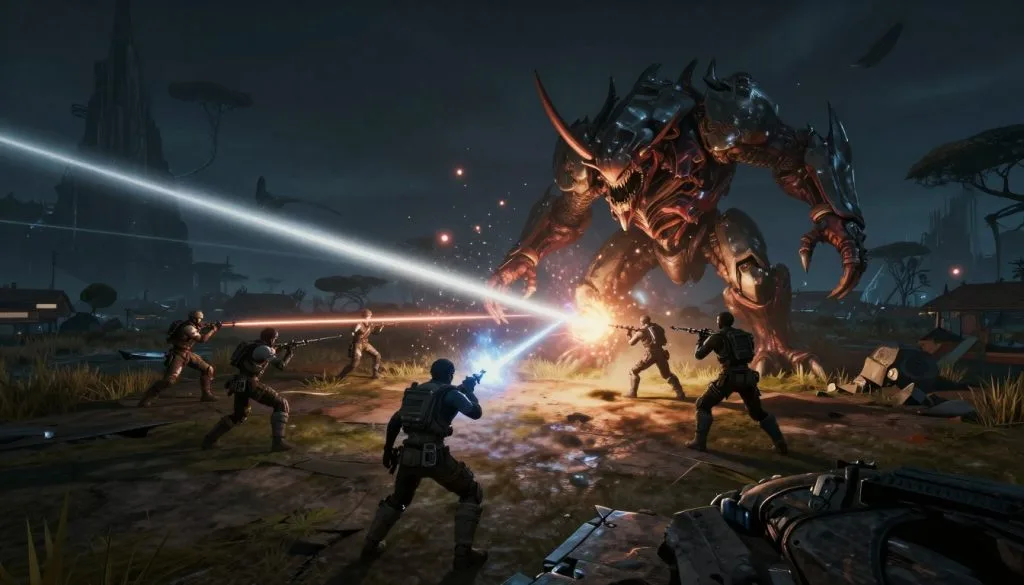
Combat blends gunplay, melee, and abilities seamlessly. Your arsenal includes hundreds of weapons across categories like rifles, bows, shotguns, pistols, swords, hammers, nunchaku, and more exotic options. Each Warframe contributes four unique abilities that can turn the tide of battle – from Rhino’s iron skin defense to Saryn’s spreading viral outbreaks or Mesa’s devastating gunslinger ultimates.
Progression & Customization: Mods, Mastery, and More
Progression in Warframe centers around the modding system. Every weapon and Warframe can be customized with mods – upgradeable cards that enhance various attributes. Want your sword to deal fire damage? There’s a mod for that. Need your Warframe to regenerate energy faster? Mod it in. This system allows for incredible build diversity but can be overwhelming for newcomers.
Your overall progress is tracked through Mastery Rank, which increases as you level up different equipment. Higher Mastery Rank unlocks new weapons, trading capabilities, and daily standing limits. This cleverly encourages players to experiment with different playstyles rather than sticking with a single loadout.
Mission Structure & Content: Endless Variety
Warframe offers diverse mission types across the solar system. Standard missions include Exterminate (defeat all enemies), Spy (stealth infiltration), Defense (protect an objective), Survival (last as long as possible), and many more. These take place in procedurally generated levels that combine set pieces in different arrangements, keeping the environments fresh.
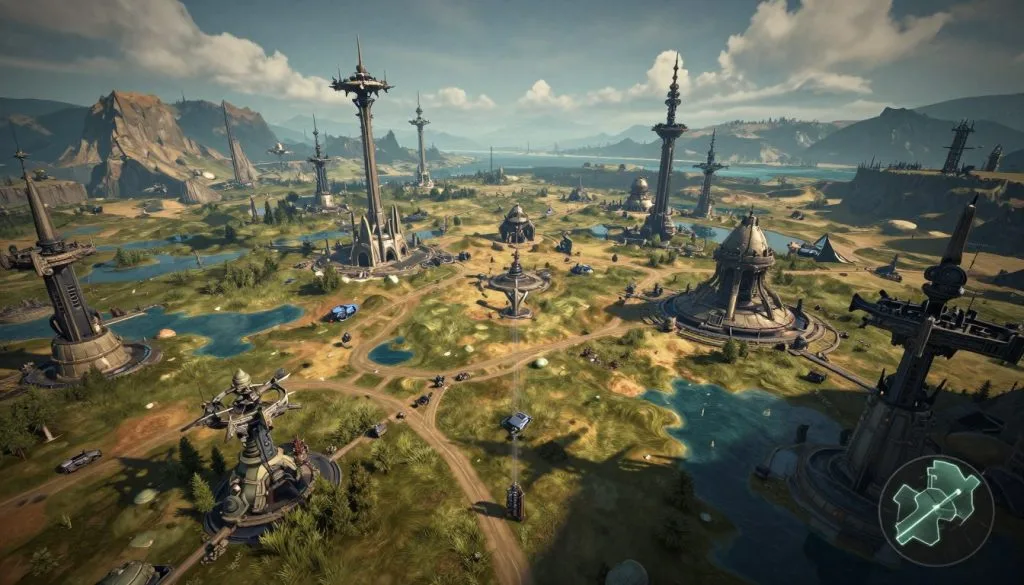
Beyond standard missions, Warframe features three open-world areas: the Plains of Eidolon on Earth, the Orb Vallis on Venus, and the Cambion Drift on Deimos. These zones offer fishing, mining, conservation, and massive boss fights against towering enemies. The game also includes story quests that delve into the origin of the Tenno, with surprisingly emotional narratives that have brought many players to tears.
Ready to Become a Space Ninja?
Warframe is completely free to play across all platforms. Join over 50 million Tenno in the Origin System today!
Graphics, Sound & Atmosphere: Distinctive Sci-Fi Style
Warframe boasts a unique visual identity that blends organic and mechanical elements. The art direction favors sleek, asymmetrical designs with a distinctive “techno-organic” aesthetic. While not the most graphically demanding game, its strong art direction creates memorable environments and character designs that stand out in the crowded shooter market.
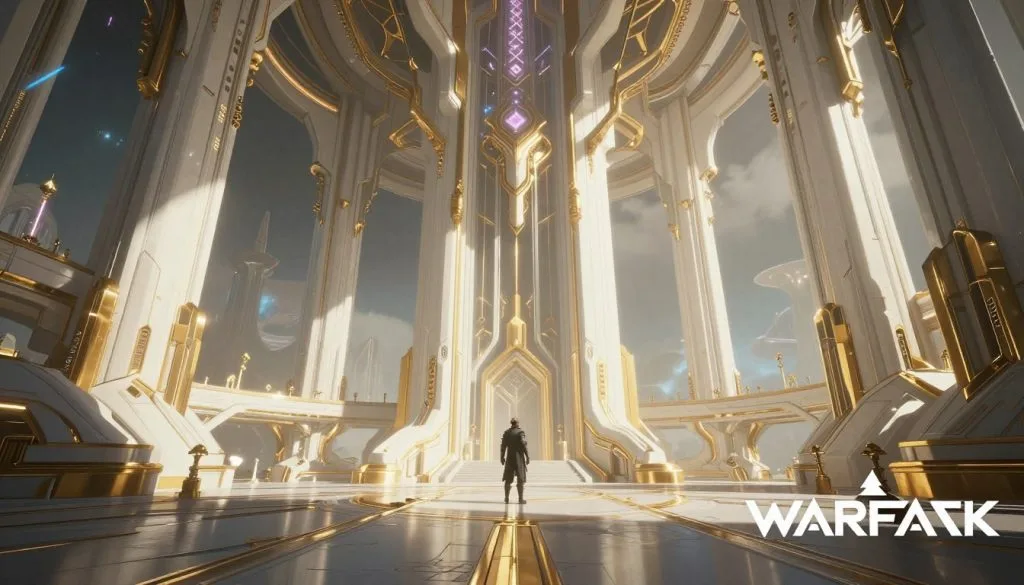
The sound design deserves special praise. From the satisfying “thunk” of a Boltor rifle pinning enemies to walls to the haunting Orokin music in abandoned towers, audio cues enhance the atmosphere significantly. The voice acting in story quests is excellent, with characters like the Lotus, Ordis, and various villains delivering memorable performances.
Monetization & Free-to-Play Model: Fair but Complex
As a free-to-play game, Warframe’s monetization deserves scrutiny. The premium currency, Platinum, can be used to buy Warframes, weapons, cosmetics, and inventory slots. However, almost everything except cosmetics can be earned through gameplay. The most player-friendly aspect is that Platinum can be traded between players, meaning dedicated players never need to spend real money.
The main criticism of Warframe’s model is inventory space. Weapon and Warframe slots are limited, requiring Platinum to expand. For collectors, this creates pressure to either spend money or engage in the trading economy. Crafting times can also be lengthy (72 hours for a new Warframe), with the option to rush construction using Platinum.
Pros of Warframe's F2P Model
- All gameplay content is free
- Premium currency can be earned through trading
- No pay-to-win mechanics
- Regular free expansions and updates
- No loot boxes or gambling mechanics
Cons of Warframe's F2P Model
- Limited inventory space requires premium currency
- Long crafting times can be frustrating
- Complex trading system for earning Platinum
- Some cosmetics are premium-only
- Can feel grindy without spending money
Community & Endgame: Tenno Together Strong
Warframe boasts one of gaming’s most helpful communities. Veterans regularly assist newcomers, answer questions in chat, and guide players through difficult content. The developers at Digital Extremes foster this environment through transparent communication, regular livestreams, and community events.
The endgame consists of several challenging activities: Eidolon hunts (massive boss fights), Steel Path (high-difficulty mission variants), Arbitrations (elite alerts), and Railjack (spaceship combat). While there’s no traditional raid content, these activities provide goals for veteran players. Some critics note that the endgame lacks focus, but the constant addition of new systems keeps long-term players engaged.
Join the Warframe Community
Connect with millions of players, find clans, and get help from veterans on your journey through the Origin System.
Pros and Cons: Is Warframe Worth Your Time?
What We Love
- Incredibly fluid movement and combat system
- Vast amount of content for zero cost
- Deep customization through modding
- Regular updates and expansions
- Helpful, welcoming community
- Surprisingly engaging storyline
- Fair free-to-play model
What Could Improve
- Overwhelming for new players
- Poor in-game explanation of systems
- Requires wiki consultation for many activities
- Inventory limitations feel restrictive
- Some content feels grindy
- Endgame lacks focus and direction
- Inconsistent mission difficulty
Frequently Asked Questions
Is Warframe truly free-to-play?
Yes, Warframe is completely free-to-play. All missions, Warframes, weapons, and story content can be accessed without spending money. The premium currency (Platinum) can even be earned through trading with other players. The only purchases that require real money are certain cosmetic items and additional inventory slots.
Is Warframe pay-to-win?
No, Warframe is not considered pay-to-win. While you can purchase weapons and Warframes directly, these items can all be earned through gameplay. Additionally, purchased items still need to be leveled up and modded properly to be effective. The game is primarily PvE (player versus environment), so there’s little competitive advantage to purchasing items.
How long does it take to “complete” Warframe?
Warframe doesn’t have a traditional endpoint. The main story quests can be completed in approximately 30-50 hours, but this represents only a fraction of the available content. Many players have thousands of hours in the game and still haven’t collected everything. As a live service game, new content is regularly added.
Is Warframe good for solo players?
Yes, Warframe can be enjoyed solo. Almost all content can be completed alone, and the matchmaking system makes it easy to find teammates when needed. Some endgame activities are designed for groups, but solo play is viable for the majority of the game.
Verdict: A Unique Experience Worth Your Time
Warframe occupies a special place in the gaming landscape. It offers one of the most generous free-to-play experiences available, with a unique movement system, deep customization, and constant evolution. While the new player experience remains challenging and sometimes overwhelming, those who push through the initial complexity will find an incredibly rewarding game with years of content to explore.
The game is ideal for players who enjoy looter-shooters with deep progression systems, fans of sci-fi settings with unique lore, and anyone who appreciates fluid movement and combat. It may not appeal to those seeking a straightforward narrative experience or players who dislike grinding for resources. However, for a free game, there’s remarkably little risk in trying it out.
After nearly a decade of evolution, Warframe stands as a testament to what dedicated developers and a passionate community can achieve. Whether you’re slicing through enemies with a katana, soaring through open worlds on a hoverboard, or uncovering the mysteries of the Origin System through cinematic quests, Warframe offers a gaming experience unlike any other.