
Tom Clancy's Rainbow Six Siege
In the crowded landscape of first-person shooters, Tom Clancy’s Rainbow Six Siege stands apart as a thinking player’s alternative to the run-and-gun formula. Released by Ubisoft Montreal in 2015, this tactical shooter has defied industry trends by growing its player base year after year. With its focus on methodical gameplay, team coordination, and destructible environments, Siege offers a uniquely tense experience that rewards patience and strategy over twitch reflexes. But does this high-stakes approach to multiplayer combat still hold up today? Let’s breach this review and find out.
Core Gameplay: Tactical Destruction
At its heart, Rainbow Six Siege is a 5v5 competitive shooter that pits attackers against defenders in tightly designed maps. Unlike most shooters where walls serve as immutable boundaries, in Siege, nearly every surface can be manipulated. Wooden barriers splinter under gunfire, floors can be breached with explosives, and reinforced walls require specialized equipment to penetrate. This destruction isn’t merely cosmetic—it fundamentally changes how you approach each encounter.
The game’s “one-life-per-round” structure means there’s no respawning until the next round begins. This creates nail-biting tension where every decision carries weight. A single mistake can leave your team at a disadvantage, while a well-executed strategy can turn the tide even when outnumbered. Rounds typically last just a few minutes, but those minutes are packed with strategic decisions and heart-pounding moments.
The Operator System
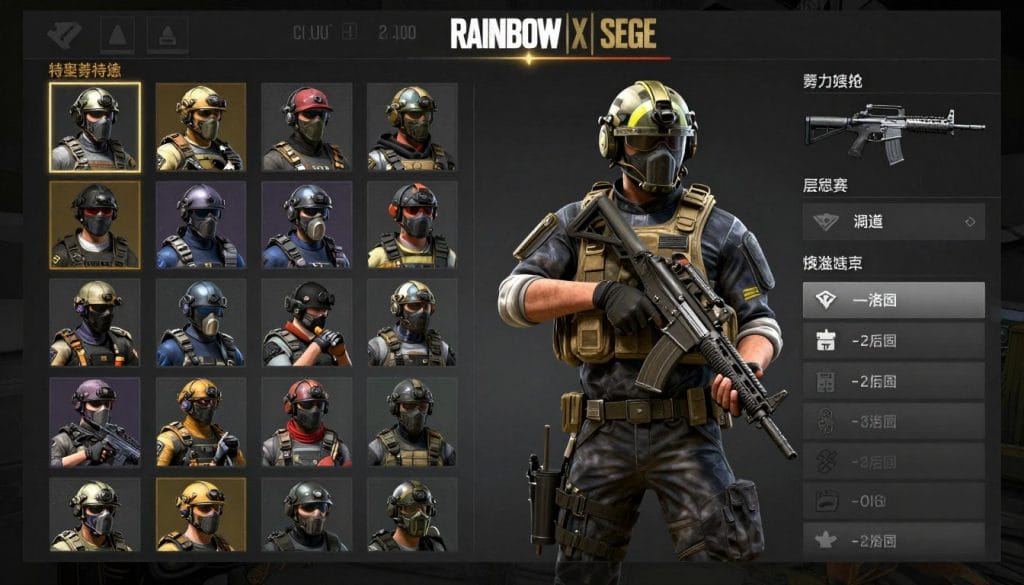
Instead of generic soldiers, Siege features “Operators”—specialized units from counter-terrorist forces around the world. Each brings unique gadgets and abilities to the battlefield. Thermite can breach reinforced walls with exothermic charges, Valkyrie can place hidden cameras to gather intelligence, and Caveira can interrogate downed enemies to reveal their teammates’ positions. With over 60 operators available (and more added regularly), team composition becomes a crucial strategic element.
Learning each operator’s strengths, weaknesses, and counters is a significant part of the game’s depth. The interplay between these specialized roles creates a dynamic similar to a hero shooter, but with the tactical grounding of a military simulator. This system ensures that no two matches play exactly the same way, even on familiar maps.
Ready to Join Team Rainbow?
Experience the tactical depth of Rainbow Six Siege with its unique destruction mechanics and specialized operators.
The Siege Experience: High Stakes & Teamwork
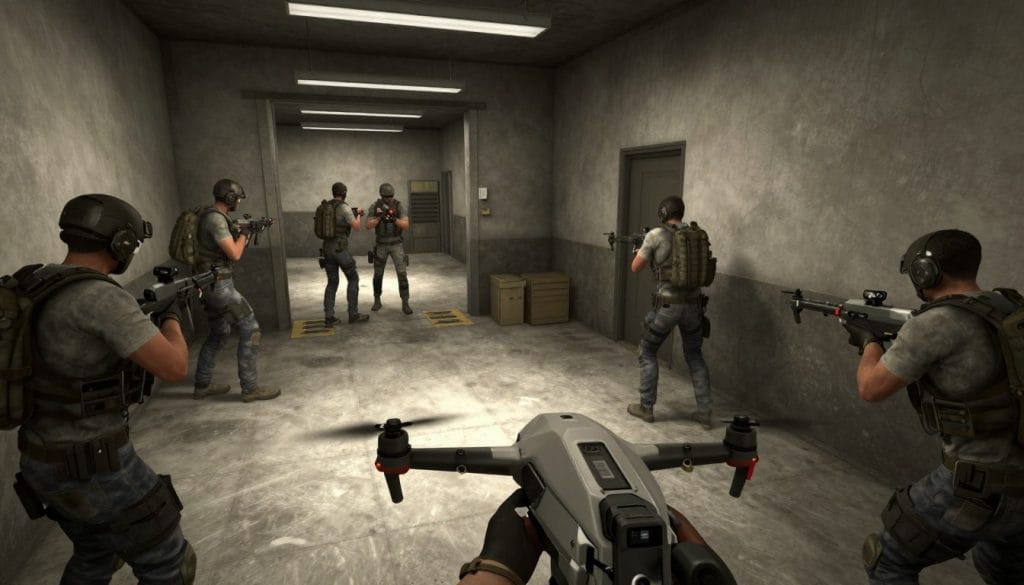
What truly sets Siege apart from other shooters is its methodical pace and emphasis on teamwork. This isn’t a game where lone wolves thrive—coordination is essential. A well-organized team using voice communication will almost always triumph over individually skilled players who don’t coordinate. Callouts about enemy positions, coordinated breaches, and strategic operator selection form the backbone of competitive play.
The sound design deserves special mention as it’s not merely atmospheric but a crucial gameplay element. Footsteps, the distinctive sound of a breach charge being placed, or the telltale beep of an electronic gadget can all reveal enemy positions to attentive players. “Sound-whoring”—the practice of listening intently for audio cues—is a legitimate and necessary skill. Playing with a good headset is practically mandatory for serious players.
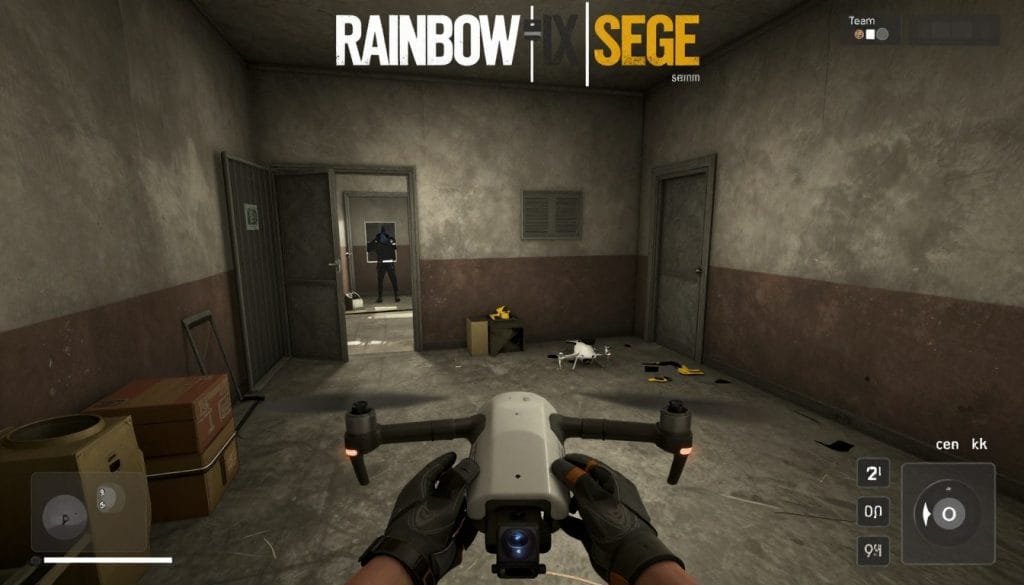
Each round begins with a preparation phase where defenders fortify their position while attackers use drones to gather intelligence. This information-gathering stage is crucial—knowing which operators you’re facing and how they’ve set up their defenses can make or break your attack plan. Similarly, defenders who successfully destroy attacker drones deny critical information to the enemy team.
Economy and Progression
Siege features an in-game economy where players earn Renown (the primary currency) by completing matches and challenges. This Renown is used to unlock new operators and cosmetic items. The system can feel grindy, especially for newcomers facing the daunting task of unlocking dozens of operators. Ubisoft also offers R6 Credits, a premium currency purchased with real money, as a shortcut to unlocking content.
While the base game is regularly discounted, the full experience with all operators requires either significant time investment or additional purchases. Various editions of the game include different sets of operators unlocked from the start, which can be confusing for new players deciding which version to buy.
Pros
- Unparalleled tactical depth with destructible environments
- Diverse operator roster with unique abilities
- Excellent sound design that enhances gameplay
- Regular updates and new content
- High-stakes gameplay creates intense moments
- Rewards strategic thinking over twitch reflexes
Cons
- Steep learning curve for newcomers
- Can be grindy to unlock all operators
- Potential for toxic community interactions
- Occasional technical issues and server problems
- Limited single-player content
- Some older maps have balance issues
Join the Rainbow Six Community
Connect with millions of players worldwide and experience the ultimate tactical shooter.
Game Modes & Progression
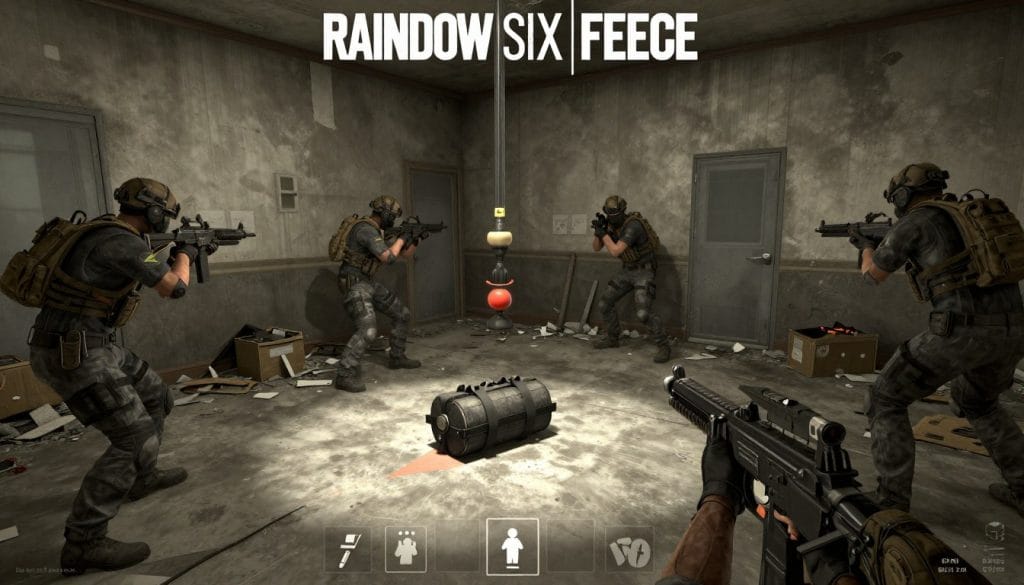
Siege offers several core game modes, with Bomb being the most popular and the standard for competitive play. In this mode, attackers must plant a defuser at one of two bomb sites and defend it until it completes its countdown, while defenders aim to prevent the plant or disable the defuser once planted. Other modes include Secure Area (a king-of-the-hill style control point) and Hostage (where attackers must extract a hostage while defenders prevent the extraction).
These modes are available across three playlist types: Quick Match (casual play with shorter rounds), Unranked (follows competitive rules without affecting rank), and Ranked (the competitive playlist with skill-based matchmaking). A separate Newcomer playlist is available for players below level 50, offering a more forgiving environment to learn the basics.
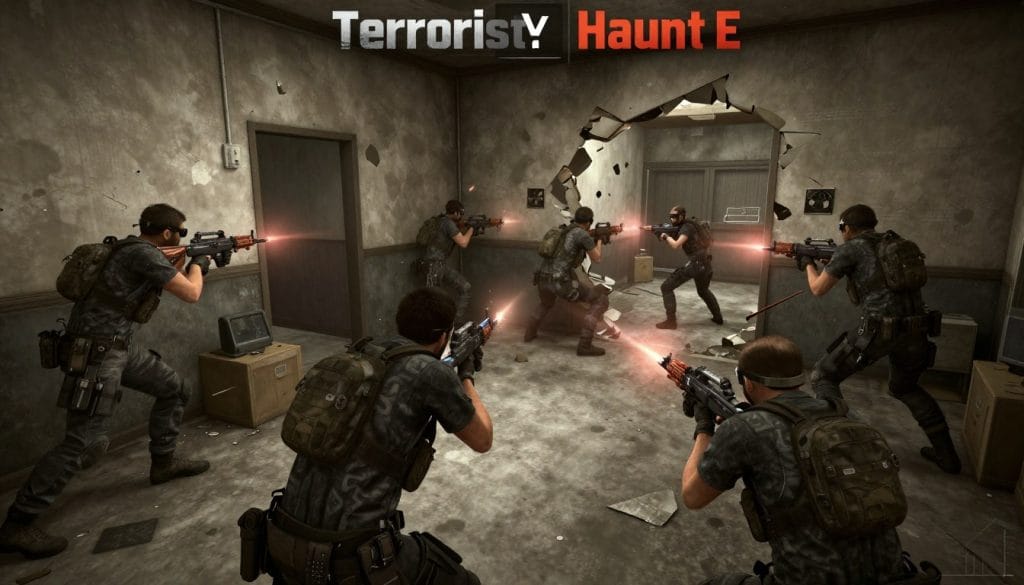
For those who prefer PvE content, Terrorist Hunt (now called Training Grounds) pits players against AI enemies in various scenarios. While primarily used as a warm-up tool by veteran players, it’s a good place for newcomers to learn maps and practice aim without the pressure of PvP. Ubisoft also regularly introduces limited-time events with unique game modes, often featuring special cosmetics and gameplay twists.
Progression and Ranking
Siege’s progression system operates on multiple levels. Players earn experience to increase their clearance level, which unlocks access to different playlists and features. Renown earned from matches can be spent on operators, weapon attachments, and cosmetics. The seasonal Battle Pass provides additional rewards for regular play.
The ranked system places players in tiers from Copper to Champion based on their performance in placement matches and subsequent ranked play. This system uses MMR (matchmaking rating) to create balanced matches and track skill progression over time. For the most competitive players, Ubisoft runs the Rainbow Six Siege Pro League, featuring professional teams competing for substantial prize pools.
| Game Mode | Objective | Rounds | Best For |
| Bomb | Plant/defend defuser at bomb sites | First to 4 (casual) or 7 (ranked) | Competitive play, balanced gameplay |
| Secure Area | Control a biohazard container | First to 3 (casual only) | Faster-paced objective play |
| Hostage | Extract/protect a hostage | First to 3 (casual only) | High-risk tactical scenarios |
| Training Grounds | Eliminate AI terrorists | Single mission | Practice, warm-up, learning maps |
| Limited-Time Events | Varies by event | Varies by event | Unique gameplay experiences |
Live Service & The Siege Experience Today
Rainbow Six Siege has evolved dramatically since its 2015 launch. What began as a somewhat content-light release has expanded into one of gaming’s most successful live service models. Ubisoft releases major updates quarterly, each introducing new operators, map reworks, balance changes, and quality-of-life improvements. This consistent support has kept the game fresh and competitive for years.
The Siege of today barely resembles its original version. Core mechanics have been refined, the operator pool has more than tripled, and nearly every map has received at least one major rework. This evolution demonstrates Ubisoft’s commitment to the title but can also be overwhelming for returning players who find their favorite maps and operators dramatically changed.
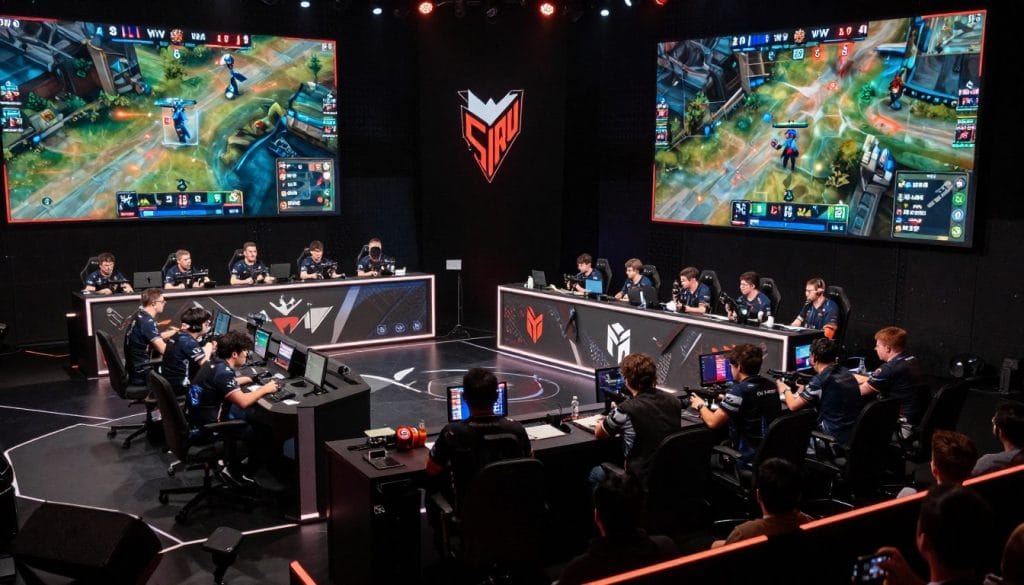
The game has developed a thriving esports scene with major tournaments like the Six Invitational drawing substantial viewership. This competitive focus has influenced the game’s development, with balance changes often considering high-level play. For casual players, this can sometimes mean adjustments that seem unnecessary based on their experience but are crucial for competitive integrity.
Community and Learning Curve
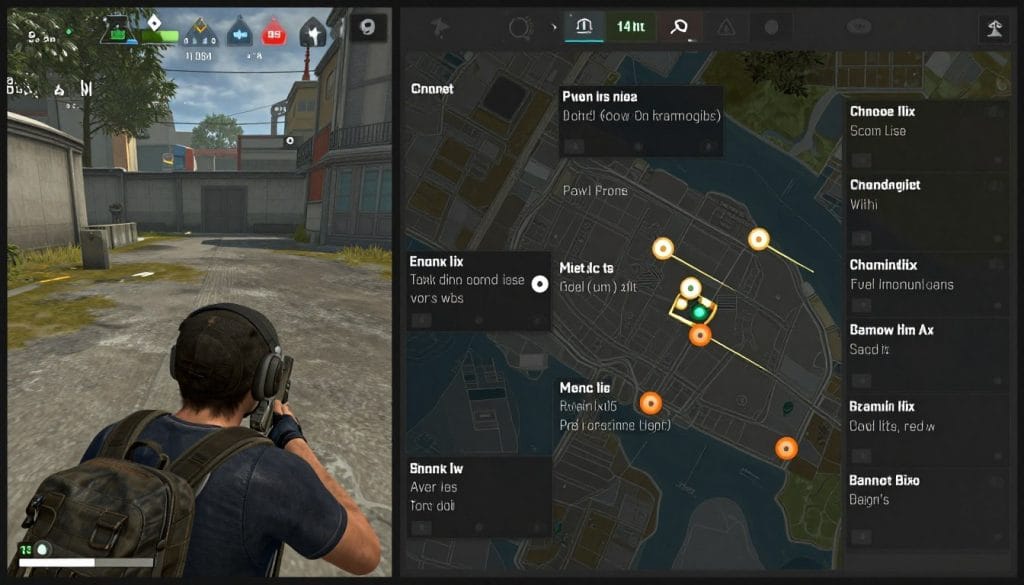
Siege’s community is a double-edged sword. On one hand, it features dedicated players who create guides, share strategies, and welcome newcomers. On the other, it can be notoriously unwelcoming to beginners, with vote-kicks and toxic behavior sometimes plaguing casual matches. Ubisoft has implemented systems to combat toxicity, including reputation scores and stricter penalties for disruptive behavior, but the problem persists to some degree.
The learning curve is undeniably steep. New players must learn dozens of maps with complex layouts, understand the interactions between 60+ operators, master the destruction mechanics, and develop game sense that only comes with experience. This investment can be daunting but ultimately rewarding—few games offer the satisfaction of executing a perfectly coordinated strategy after weeks of practice.
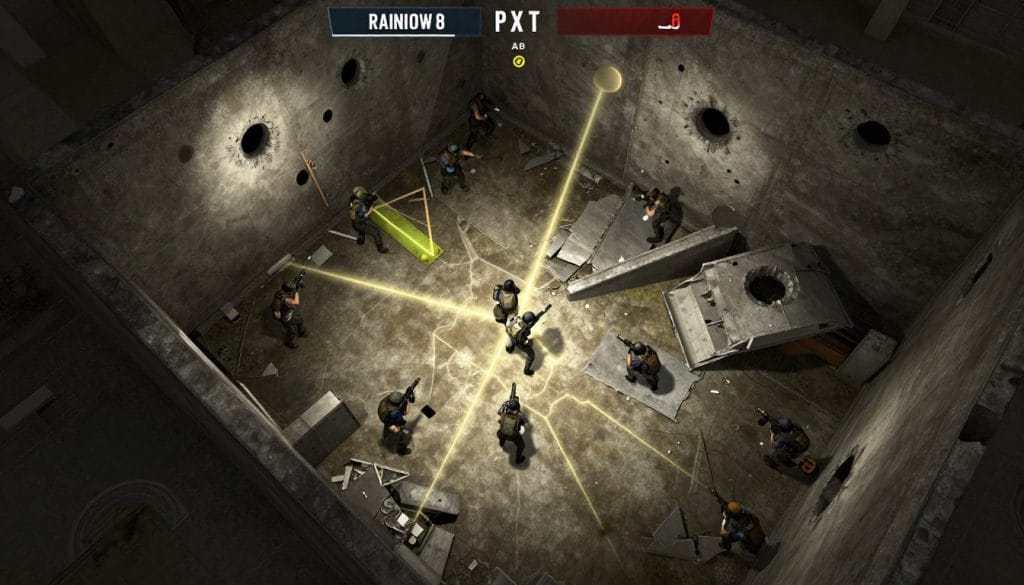
For those willing to invest the time, Siege offers a depth rarely found in the shooter genre. Each match becomes a chess match where positioning, utility usage, and coordination matter as much as aim. The “just one more round” appeal is strong, with the short match structure making it easy to fit sessions into busy schedules.
Is Rainbow Six Siege worth playing in 2023?
Absolutely. Despite being released in 2015, Siege continues to receive regular updates and maintains a healthy player base. The game has more content and better balance than ever before, making it an excellent time to start playing.
How difficult is Siege for new players?
Siege has a steep learning curve compared to most shooters. New players should expect to spend 20-30 hours learning the basics before feeling comfortable. Using the Newcomer playlist, watching tutorials, and playing with experienced friends can significantly reduce this learning period.
Which edition of Rainbow Six Siege should I buy?
For new players, the Deluxe Edition offers the best value, including the base game plus the first two years of operators. The Ultimate Edition includes all operators up to the current year but comes at a premium price. The standard edition is often on sale but requires more grinding to unlock operators.
Ready for the Ultimate Tactical Challenge?
Join over 70 million players worldwide in Rainbow Six Siege’s unique blend of destruction, tactics, and teamwork.
Conclusion: Is Rainbow Six Siege For You?
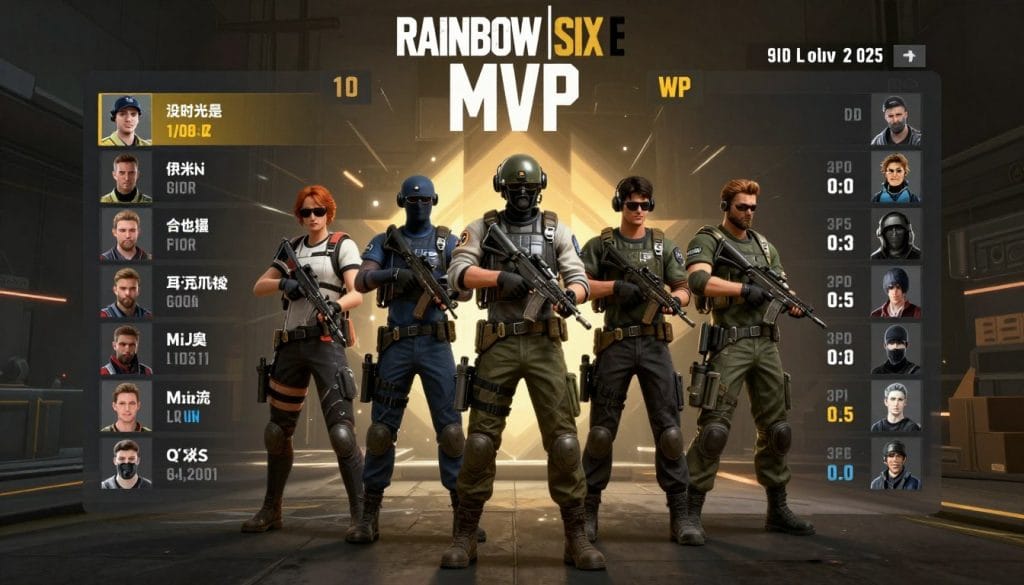
Tom Clancy’s Rainbow Six Siege occupies a unique position in the crowded FPS market. It’s neither as accessible as Call of Duty nor as mechanically demanding as Counter-Strike, instead carving out its own niche with an emphasis on destruction, information gathering, and team tactics. After years of refinement, it stands as one of the most distinctive and rewarding competitive shooters available.
For players seeking a thoughtful, strategic FPS that rewards patience and coordination over twitch reflexes, Siege is an easy recommendation. The satisfaction of executing a perfect breach or successfully defending against overwhelming odds creates memorable gaming moments that few other titles can match. The destructible environments and operator interactions ensure that even after hundreds of hours, you’ll encounter new situations and strategies.
However, this depth comes at the cost of accessibility. New players face a daunting learning curve and potentially unwelcoming community. The time investment required to become competent—let alone good—is substantial. For those seeking a casual shooter experience where they can jump in for a few quick matches, Siege may prove frustrating.
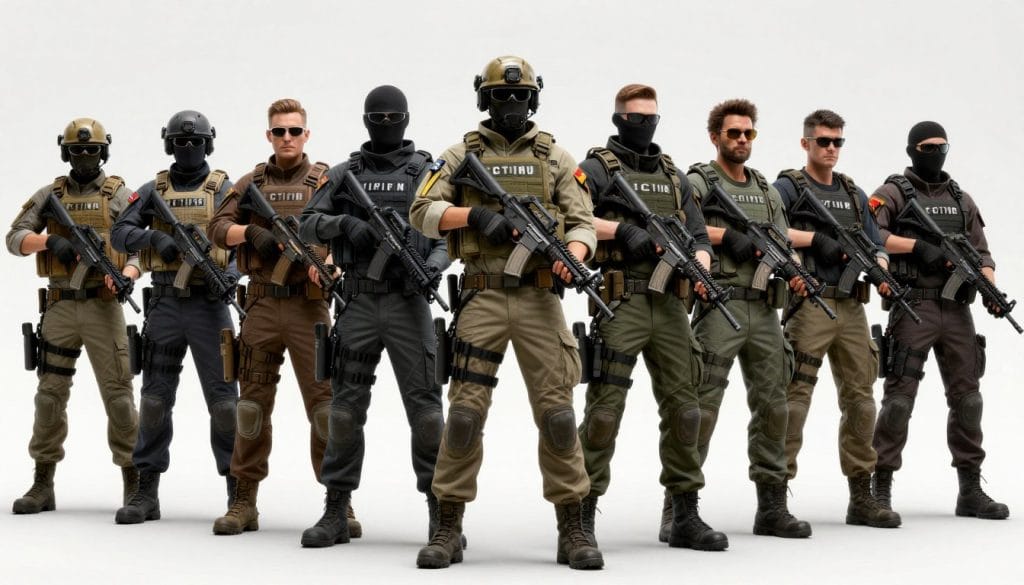
Ultimately, Rainbow Six Siege is a game that demands commitment but rewards it generously. If you’re willing to learn its intricacies, communicate with teammates, and approach each match with tactical awareness, few games offer such a consistently engaging experience. Nearly a decade after release, it remains one of the most distinctive and compelling tactical shooters on the market—a testament to its strong core design and Ubisoft’s ongoing support.
Final Verdict: Tom Clancy's Rainbow Six Siege
Rainbow Six Siege delivers an unparalleled tactical shooter experience that has only improved with age. Its unique destruction mechanics, specialized operator system, and emphasis on teamwork create a deeply satisfying gameplay loop for dedicated players. While the steep learning curve and occasional community issues present barriers to entry, those willing to invest the time will find one of gaming’s most rewarding competitive experiences.
Recommended for: Tactical shooter fans, strategy enthusiasts, and players who value teamwork and communication. Not recommended for: Casual players seeking quick action or solo experiences.