
The Squad Game Review
In a gaming landscape dominated by fast-paced, run-and-gun shooters, Squad stands apart as a deliberate, methodical combat simulator that prioritizes teamwork above all else. Developed by Offworld Industries, this spiritual successor to the popular “Project Reality” mod for Battlefield 2 delivers an experience that few other games can match. But with its steep learning curve and unforgiving gameplay, is Squad the right battlefield for you? Our comprehensive review dives deep into what makes this large-scale military shooter both challenging and immensely rewarding.
Gameplay & Core Mechanics
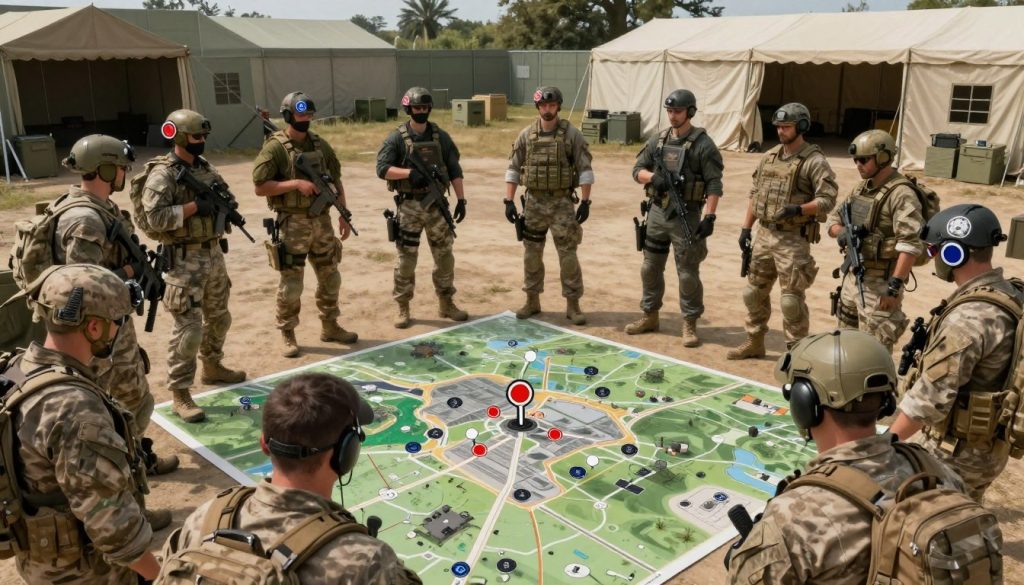
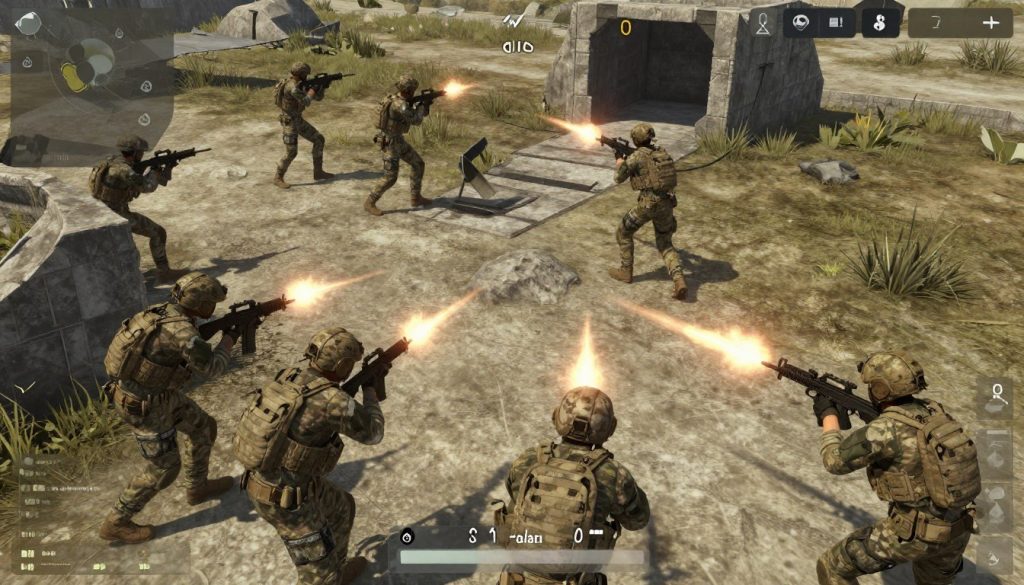
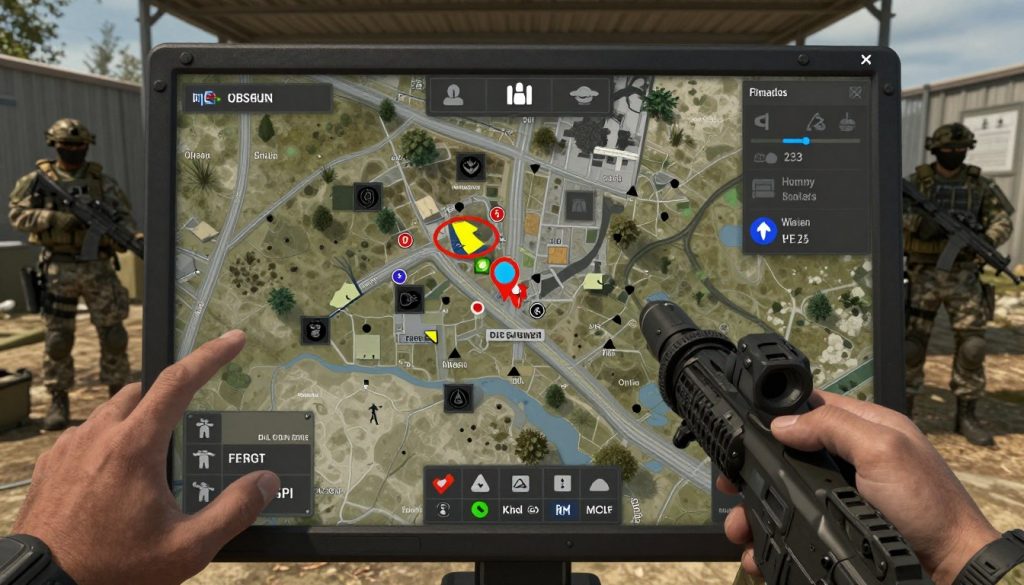
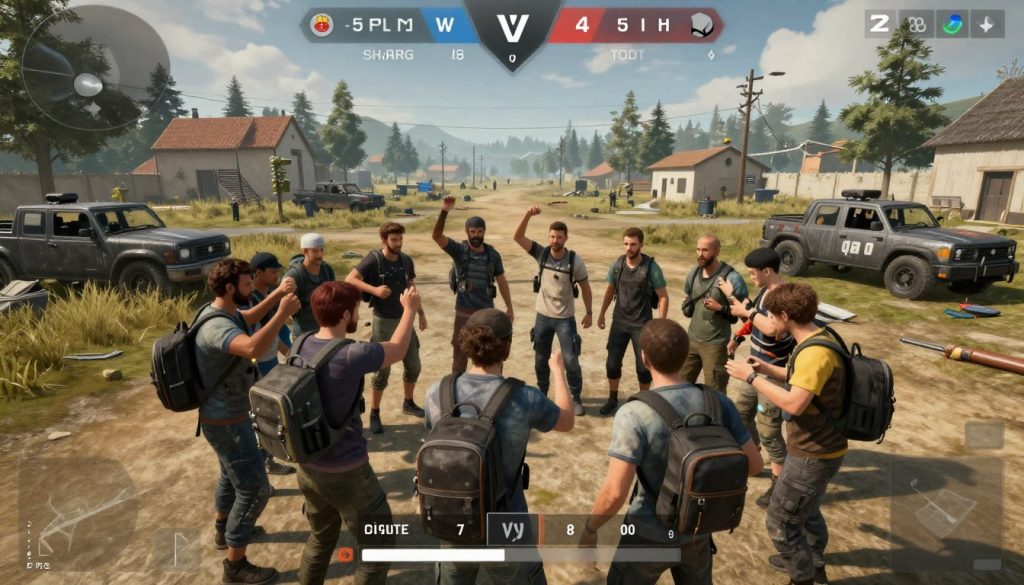
At its heart, Squad is a 50v50 player military simulation that emphasizes communication, coordination, and combined arms warfare. Unlike other shooters where lone wolf tactics might succeed, Squad’s design fundamentally requires players to work together within the framework of nine-player squads, each led by a designated Squad Leader who coordinates with other squad leaders and the team’s Commander.
Communication Is Everything
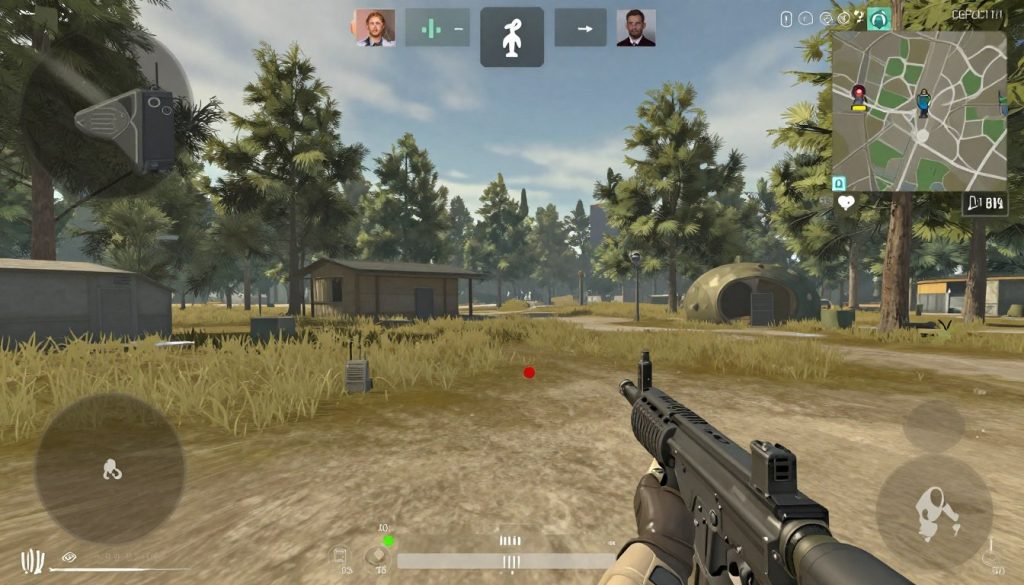
The most critical element in Squad isn’t your aim or reflexes—it’s your microphone. The game features proximity-based voice chat for local communication and radio channels for squad and command-level coordination. Without effective communication, your team will quickly fall apart against a more organized enemy. This emphasis on verbal coordination creates intense, memorable moments that simply don’t exist in other shooters.
Roles & Responsibilities
Squad offers a variety of specialized roles that players can assume, each with unique equipment and responsibilities:
- Rifleman: The backbone of any squad, equipped with standard weapons and ammunition
- Medic: Vital for reviving and healing teammates, extending the squad’s fighting capability
- Squad Leader: Responsible for placing spawn points and coordinating with command
- Automatic Rifleman: Provides suppressive fire with light machine guns
- Anti-Tank: Specialized in taking down enemy vehicles with rockets and launchers
- Combat Engineer: Builds defensive structures and places explosives
- Marksman: Provides long-range precision fire support
- Crewman: Required for operating armored vehicles effectively
Spawning System & Objectives
Squad’s unique spawning system revolves around Forward Operating Bases (FOBs) and Rally Points. Squad Leaders can place Rally Points as temporary spawn locations for their squad, while FOBs require logistics support but serve as permanent spawn points for the entire team. This creates a meta-game around protecting your spawn network while disrupting the enemy’s.
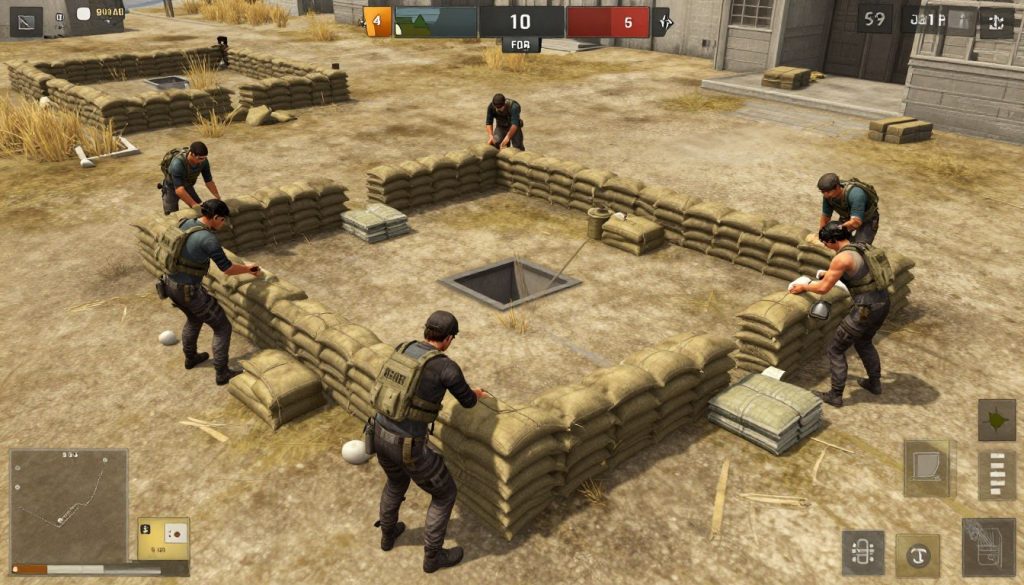
Match objectives typically revolve around capturing and holding strategic points or destroying enemy assets. The ticket system (representing respawn resources) means that every death counts against your team’s total, creating tension and encouraging cautious play rather than reckless assaults.
Audio & Visual Design
Squad’s sound design isn’t just impressive—it’s an integral gameplay mechanic. The crack of distant gunfire, the whistle of incoming artillery, and the distinct sound of different weapons all provide crucial tactical information. Experienced players can identify weapon types, direction, and approximate distance purely from audio cues.
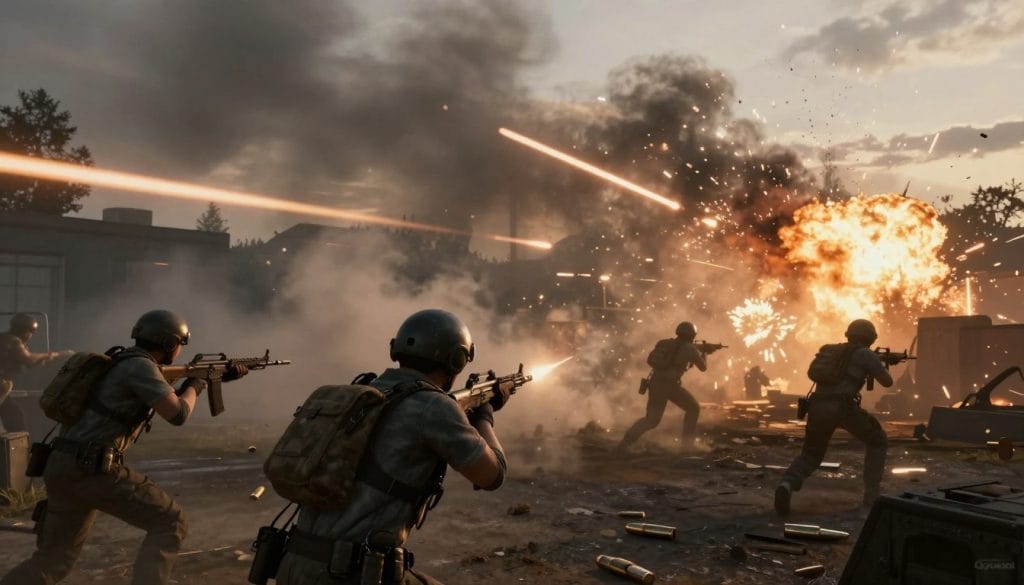
Visually, Squad strikes a balance between realism and performance. The massive maps—some spanning several kilometers—feature impressive environmental detail, from dense urban areas to vast deserts and lush forests. Character models and vehicles are meticulously detailed, though the game prioritizes gameplay performance over cutting-edge graphics.
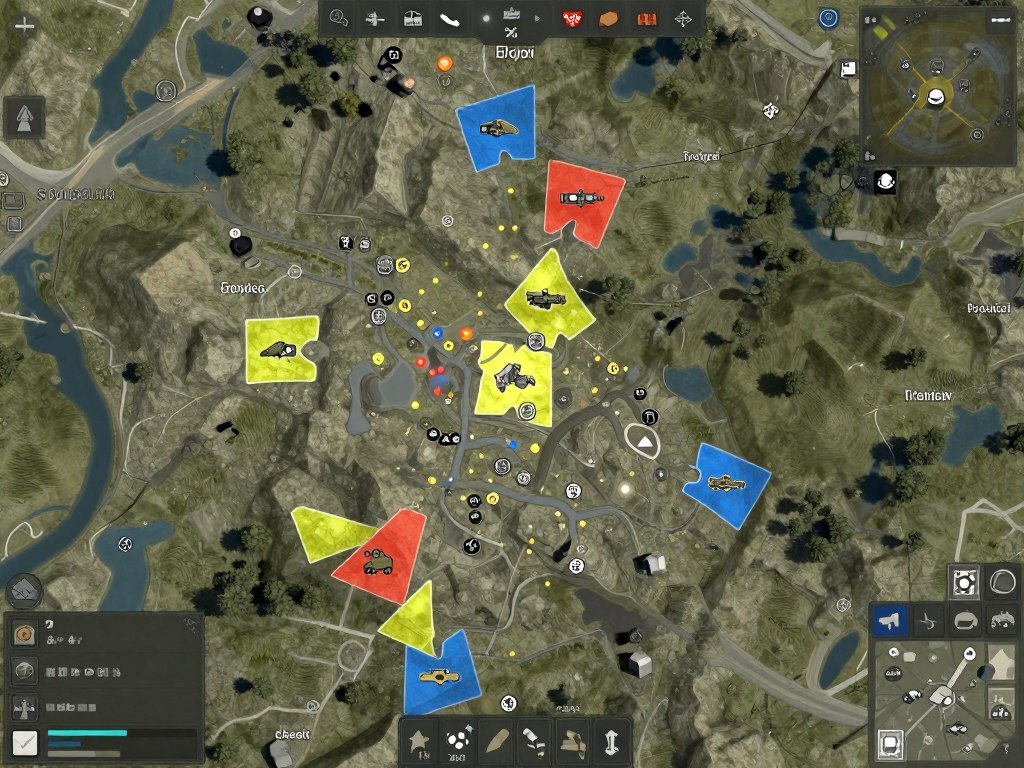
The game’s maps deserve special mention for their scale and design. Each battlefield feels distinct, with thoughtfully placed terrain features that create natural choke points, ambush locations, and defensive positions. The sheer size of these environments means that vehicles aren’t just a luxury—they’re often a necessity for effective deployment.
The Learning Curve & Community
Let’s be honest: Squad has one of the steepest learning curves in modern gaming. New players will likely spend their first several hours being confused, lost, and repeatedly killed by enemies they never saw. The game’s tutorial covers only the most basic mechanics, leaving players to learn advanced tactics through experience or community resources.
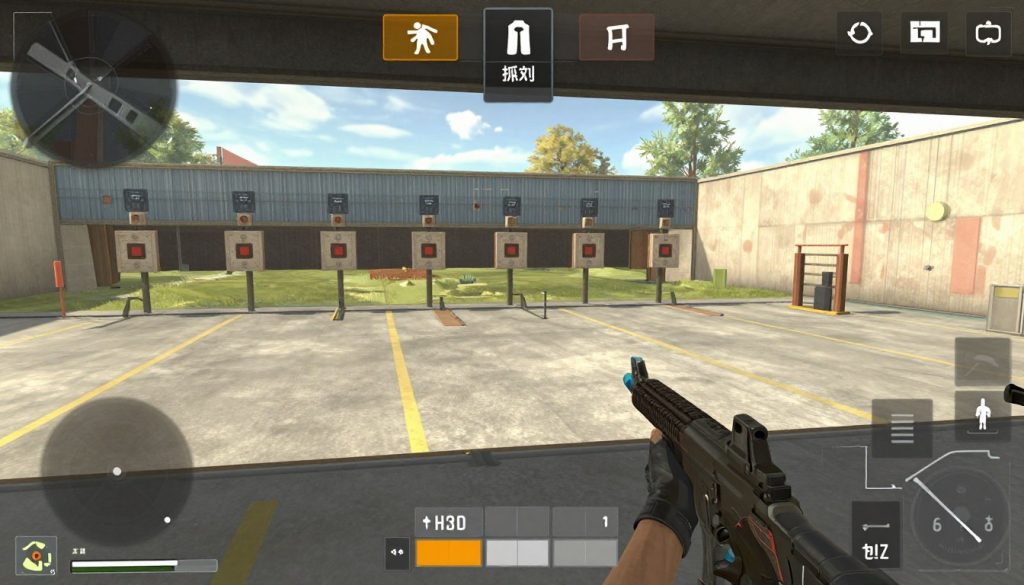
This difficulty barrier has created a unique community atmosphere. Most veteran players understand the challenges of learning Squad and are surprisingly patient with newcomers who demonstrate a willingness to learn and communicate. The best advice for new players is to be upfront about your experience level and listen to more seasoned squad members.
Finding a good server with communicative players is absolutely essential to enjoying Squad. A single match with a coordinated team can create gaming memories that last for years.
The Squad community generally skews more mature than many other online games, with a notable absence of the toxic behavior common in other competitive titles. That said, the quality of your experience can vary dramatically depending on the server you join and the squad you’re placed in. When everything clicks—when you have a competent Squad Leader and teammates who communicate effectively—Squad delivers an unparalleled tactical experience.
Pros and Cons
What Works
- Unparalleled teamwork-focused gameplay that creates unique experiences
- Exceptional sound design that serves both immersion and gameplay
- Massive, well-designed maps that accommodate various tactics
- Realistic weapon handling that makes each kill feel earned
- Generally mature, helpful community
- Regular updates and active development
What Doesn't
- Extremely steep learning curve with minimal in-game guidance
- Long periods of downtime between combat encounters
- Requires a microphone and willingness to communicate
- Performance issues on lower-end systems
- Quality of experience heavily dependent on teammates
- Unfriendly to lone wolf playstyles
Conclusion & Verdict
Squad occupies a unique position in the FPS landscape. It’s not as simulation-heavy as Arma, nor as accessible as Battlefield, instead carving out its own niche that emphasizes communication and teamwork above all else. The result is a game that can be frustrating and intimidating for newcomers but offers deeply rewarding experiences for those willing to invest the time.
If you’re seeking a run-and-gun shooter where you can hop in for a quick match, Squad is not for you. The game demands time, patience, and communication. Matches typically last 1-2 hours, and you’ll spend significant portions of that time moving between objectives rather than in constant combat.
However, if you’re drawn to the idea of coordinated teamwork, strategic decision-making, and realistic combat that values positioning and tactics over twitch reflexes, Squad delivers an experience that few other games can match. The moments of intense firefights, successful coordinated assaults, and last-stand defenses create gaming memories that will stay with you long after you’ve logged off.
Ready to Join the Fight?
Squad offers a unique tactical FPS experience that rewards teamwork, communication, and strategic thinking. If you’re looking for a more realistic and team-oriented alternative to mainstream shooters, Squad is well worth the investment.
What are the system requirements for Squad?
Squad requires at minimum: Windows 10, Intel Core i5-4430 or AMD FX-6300, 8GB RAM, NVIDIA GeForce GTX 960 or AMD Radeon R9 280, and 55GB available space. For the best experience, a dedicated GPU with at least 6GB VRAM, 16GB RAM, and an SSD are recommended.
Is Squad still being updated?
Yes, Offworld Industries continues to actively develop and update Squad with new content, features, and balance changes. The development roadmap includes plans for new factions, maps, and gameplay improvements.
Can I play Squad without a microphone?
While technically possible, playing Squad without a microphone significantly diminishes the experience and your effectiveness as a team member. Communication is a core gameplay mechanic, and most squads expect members to have and use a microphone.