
Overwatch 2 by Blizzard Entertainment brings intense action to the battlefield. Two teams of six heroes face off in fast combat. With over 40 unique characters, every match requires teamwork and smart decisions.
The return of 6v6 format has thrilled the Overwatch community. Players in the UK and worldwide find it richer and more balanced than 5v5. Role queue adds structure, making each player’s role clear.
These tips are for both new players and those looking to improve. They cover hero picks and ultimate management. Learning how each role works together is key to winning.
Understanding the Fundamentals of Overwatch 6v6 Strategy Guide
First, players must learn the basics of six-versus-six matches. This guide focuses on teamwork, the format’s differences, and what each game mode requires.
The Importance of Team-Based Gameplay
Overwatch is not like Call of Duty. It’s not just about running and shooting. Each hero has a special role to play.
Healers keep the team alive. Tanks make space. Damage dealers take advantage of chances. Playing alone won’t work.
Good team play comes from knowing each member’s role. Working together is more important than being good alone.
Key Differences Between 6v6 and 5v5 Formats
The 6v6 format is a big hit with fans. It adds a second tank, changing how battles play out. Here’s a quick look at the differences:
| Aspect | 5v5 Format | 6v6 Format |
|---|---|---|
| Tank Count | 1 | 2 |
| Team Coordination Demand | Moderate | High |
| Frontline Durability | Lower | Greater |
| Support Pressure | Intense | Shared across two tanks |
With two tanks, teams can use new strategies. They can pair a strong tank with a fast one, opening up new ways to play.
Essential Game Modes and Objectives
Every guide should cover the main game modes. Key ones include:
- Control — Teams fight over a central point in a best-of-three format.
- Escort — Attackers push a payload while defenders stall its progress.
- Hybrid — A mix of point capture and payload escort.
- Push — Teams fight over a robot that moves toward the enemy base.
Each mode needs different strategies. Learning these is key to mastering hero synergy in the next sections.
Mastering Team Composition Tactics
Creating a winning team in Overwatch 6v6 starts before the game. Good team tactics are key to success. Each player must know their role and choose heroes that work well together. This makes the team strong and united.
Optimal Role Distribution: Tanks, Damage, and Support
The 6v6 format uses a 2-2-2 structure. This means two tanks, two damage dealers, and two supports. Tanks like Reinhardt or D.Va take hits and open up space. Damage heroes, such as Tracer or Reaper, quickly take out enemies.
Support players, like Mercy or Baptiste, keep teammates alive during fights. But, having too many of one type is bad. For example, having Hanzo, Widowmaker, Ashe, and Ana together leaves the team without protection or healing.
Adapting Compositions Mid-Match
Being flexible is key in team tactics. If the enemy team counters your strategy, changing heroes can turn things around. If Pharah is getting hit hard, switching to a ground-based hero might help.
Good team strategies mean knowing when to change for the team’s benefit, not just one player’s.
Understanding Role Recommendations on Pick Screens
The pick screen in Overwatch gives role suggestions. It tells you when you need more tanks or healing. Listening to these hints helps players make better choices.
| Role | Recommended Heroes | Primary Function |
|---|---|---|
| Tank | Reinhardt, D.Va, Winston | Absorb damage and create space |
| Damage | Tracer, Reaper, Soldier: 76 | Secure eliminations and apply pressure |
| Support | Mercy, Baptiste, Lúcio | Heal allies and provide utility |
Hero Synergy Strategies for Maximum Impact
Overwatch is a game where teamwork is key. Each hero’s abilities should work together like a well-oiled machine. This teamwork turns six players into a powerful team.
Imagine Zarya’s Graviton Surge and Hanzo’s Dragonstrike working together. The first brings enemies together, and the second takes them out. These combos need careful planning and teamwork.
Players who treat heroes as interchangeable miss the teamwork aspect of Overwatch. It’s about knowing when to use each hero’s abilities.
Knowing how to counter opponents is just as vital as creating combos. For example, Ana’s anti-heal grenade can stop an enemy support line. Choosing heroes that counter the enemy’s team gives a big advantage.
Here are some popular hero pairings and why they’re effective:
| Hero Pairing | Core Synergy | Best Used Against |
|---|---|---|
| Reinhardt + Ana | Nano Boost turns Reinhardt into a lethal brawler | Close-range compositions |
| Winston + D.Va | Coordinated dives overwhelm backline supports | Spread-out or sniper-heavy teams |
| Zarya + Hanzo | Graviton Surge holds enemies for Dragonstrike | Grouped or deathball compositions |
| Lucio + Moira | Speed Boost enables fast engagements with burst healing | Poke-style or long-range setups |
Good teamwork in Overwatch means every player knows their role. A Mercy with Pharah creates aerial pressure. Zenyatta’s Discord Orb with damage dealers can take out key targets. Planning your team’s strategy from the start is what makes a winning team.
Communication and Competitive Match Coordination
Winning in Overwatch 6v6 is not just about skill. It’s about working together well. Every player must share info and follow strategies. Without clear talk, even the best players can’t win.
Voice Chat Best Practices
Voice chat is key for quick info sharing. Keep messages short and clear. Saying “Reaper behind on the left” helps more than a vague “someone’s behind us.”
“Great communication isn’t about talking the most — it’s about saying the right thing at the right time.”
Teams should avoid blaming or getting frustrated. A calm voice channel keeps everyone focused.
Quick Message Systems and Callouts
Not everyone likes using a mic. The in-game ping and quick messages are good alternatives. They help mark enemies, ask for healing, or signal to push.
- Use the ping system to mark flanking enemies
- Signal “Group Up” before initiating a team fight
- Call for healing early — supports cannot compensate for reckless positioning
- Announce when an ultimate ability is ready
Knowing your role is key. Supports can’t save teammates from bad choices. Everyone must stay alive together.
Planning Ultimate Combo Attacks
Ultimates can change the game when used right. Good coordination means tracking charge levels and planning combos ahead.
| Ultimate Combo | Primary Effect | Best Used On |
|---|---|---|
| Zarya Graviton + Hanzo Dragonstrike | Area denial and burst damage | Grouped enemies near objectives |
| Ana Nano Boost + Genji Dragonblade | Empowered close-range eliminations | Scattered backline targets |
| Sombra EMP + D.Va Self-Destruct | Shield removal into massive explosion | Barrier-heavy compositions |
Calling out “combo next fight” gives everyone time to prepare. This planning is key for success.
Role Queue Positioning and Map Control
Winning in Overwatch 6v6 is not just about skill. It’s about knowing where to stand and when to move. Each player must control the map and manage their ultimate abilities well. This is key to success.
Frontline and Backline Positioning
Tanks take the front, absorbing damage and claiming space. They push forward when they can, and pull back when needed. Support players stay back, keeping an eye on tanks while avoiding enemies.
Damage heroes fill the gaps, using their skills to attack from different angles.
- Tanks start fights and set the pace
- Supports stay safe behind cover
- Damage dealers use angles to attack
High Ground Advantages and Map-Specific Strategies
Maps like King’s Row and Numbani favour teams that take high ground early. This gives them better sightlines and forces enemies to split their attention. Practising on these maps can give a big advantage.
Using alternative routes can surprise opponents, who often focus on one spot.
Health Pack Management and Resource Control
Health packs on maps are vital resources. Denying them to the enemy team helps your team fight longer. This ties into managing ultimate abilities well.
| Health Pack Size | Healing Amount | Respawn Time |
|---|---|---|
| Small | 75 HP | 10 seconds |
| Mega | 250 HP | 15 seconds |
Knowing where health packs are on common maps helps teams survive longer. This can make a big difference in a match.
Ultimate Economy Management in Six Versus Six Gameplay
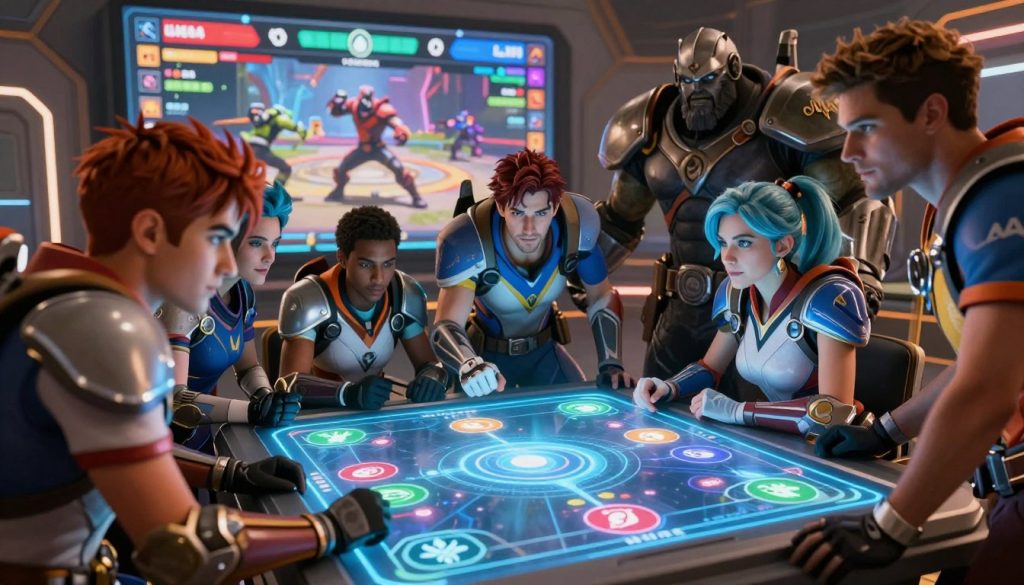
Winning team fights in Overwatch’s 6v6 format depends on when ultimates are used, not just how. Managing ultimate economy means tracking, building, and spending ultimates for the whole team. This skill makes a big difference between good and great teams.
Players get ultimate charge by dealing damage, healing, and taking damage. It’s smart to build charge from a safe distance. This way, you can avoid dying and giving the enemy team an advantage.
A good overwatch team fighting guide will tell you one important thing: never use all six ultimates in one fight. Spreading them out ensures you have resources for the next push. Using all ultimates at once makes your team weak in the next fight.
It’s also key to track enemy ultimates. Experienced players keep an eye on who has charged abilities. This helps teams plan their attacks, like waiting for Zenyatta’s Transcendence before using their own ultimates.
| Ultimate Economy Tactic | Purpose | Risk Level |
|---|---|---|
| Poking before engaging | Builds charge safely | Low |
| Staggering ultimates across fights | Maintains resources for future engagements | Low |
| Baiting enemy ultimates | Forces opponents to waste key abilities | Medium |
| Combining two ultimates per fight | Secures fights without overcommitting | Medium |
| Full ultimate dump | Overwhelming force in must-win scenarios | High |
Getting good at ultimate economy management gives teams a big advantage before the fight starts. With this skill, players can focus on improving their target prioritisation and team fighting techniques.
Advanced Team Fighting Guide Techniques
Winning team fights in Overwatch is more than just skill. This guide shows you the key techniques for success. Every fight is a series of decisions that affect the outcome.
Target Prioritisation and Focus Fire
Choosing the right enemy to kill first can change the game. Teams should aim for high-value targets like support heroes first. Killing enemy Ana or Kiriko early gives a big advantage.
Top players always say: kill the healers, win the fight. Here’s how:
- Call out a single target for the whole team to focus.
- Prioritise supports, then damage dealers, then tanks.
- Punish any enemy caught out of position immediately.
Dive Coordination and Counter-Dive Strategies
Dive strategies need synchronised aggression. Heroes like Winston, D.Va, and Tracer dive together. Diving alone means death.
Counter-dive requires the same teamwork. Heroes like Brigitte or Cassidy protect supports. This stops aggressive flankers and forces dive squads into bad trades.
Understanding When to Reset and Regroup
Knowing when to pull back is key. If two teammates fall early, the rest should retreat. This prevents enemy ultimate charge and saves respawn time.
A disciplined reset preserves ultimate economy and gives the team a proper chance at the next engagement.
Learning to read fight momentum improves with practice. This guide’s principle is essential for training.
Developing Flexibility in Ranked Mode Strategies
To climb the competitive ladder, you need more than just skill. Being adaptable is key to success in every match. This guide shows why being flexible is at the heart of ranked success. Sticking to one hero or tactic can lead to quick losses.
Hero Switching Decision-Making
Knowing when to swap heroes is what separates good players from great ones. If a Widowmaker is struggling against a Winston, they should switch fast. Good strategies involve reading the scoreboard and noticing who’s winning.
Players who don’t switch often face team problems. They get overwhelmed and blame others. The best players see switching as a smart move, not a defeat.
- Swap if the team lacks a specific role need, such as shield-breaking or healing output.
- Switch when a direct counter is shutting down all value from the current pick.
- Change heroes between rounds to surprise opponents with a fresh approach.
Adapting to Different Play Styles
Every match is different, with unique teammates. Some like aggressive dives, others prefer slow play. A good strategy is to read the room and adjust.
| Teammate Play Style | Recommended Adaptation | Example Hero Pick |
|---|---|---|
| Aggressive dive | Follow up with burst damage or mobile healing | Kiriko, Genji |
| Passive and defensive | Hold ground with sustained value and shielding | Reinhardt, Baptiste |
| Flanker-heavy DPS duo | Provide a stable anchor and long-range pressure | Sigma, Ana |
Working with different play styles helps avoid blaming others. Flexible strategies lead to more wins than rigid ones.
Essential Training and Practice Methods
Winning in Overwatch 6v6 is not just about talent. It also needs a good practice routine. This routine should improve both mechanical skills and game sense. Hero mastery courses are available, but they mainly focus on individual heroes, not team roles.
New and intermediate players should focus on drills that teach team tactics. Each role needs a specific training method:
- Tank training — Practice surviving damage in tight spots while bots attack you. This helps learn when to shield, advance, or retreat.
- DPS training — Long-range heroes should practice using cover. Short-range heroes need to master quick movements through side paths and angles.
- Support training — Keep bots alive while taking out enemy bots without dying. This teaches the balance between healing and damage under pressure.
These exercises should end with capturing an objective to mimic real match conditions. Players can improve hero synergy by playing custom games on maps like Dorado, King’s Row, Nepal Sanctum, or Numbani. These maps have unique paths and verticality that reward teamwork.
Practice does not make perfect. Only perfect practice makes perfect. — Vince Lombardi
Even 15 minutes of focused drills can enhance positioning, cooldown management, and decision-making. As players repeat these strategies, they build confidence to adjust their team tactics during matches. This skill is further developed by reviewing match performance and finding areas for improvement.
Learning from Match Experience and Improvement
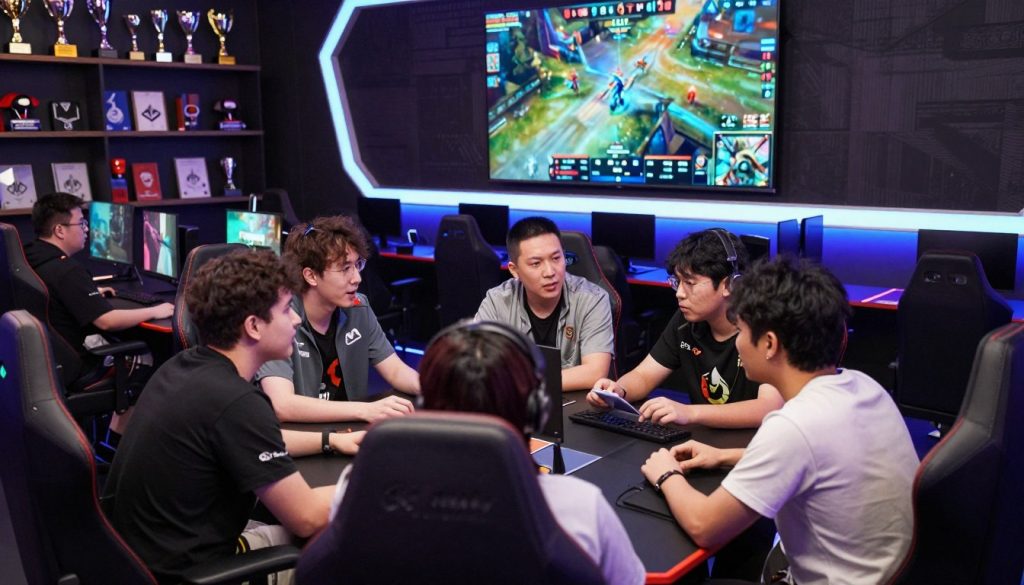
Every match in Overwatch 6v6 has a story. Wins show what a team does well, while losses highlight areas for improvement. Players who learn from each game grow faster than those who ignore mistakes.
Reviewing each match helps players spot patterns and improve for the next game.
Post-Match Analysis and Reflection
After a match, players should reflect on key moments. Watching replays is a great tool. It lets players study their performance from different angles.
Notes on recurring problems can speed up improvement over time.
- Review replay footage for at least one match per session
- Note moments where deaths could have been avoided
- Track ultimate usage and whether it led to meaningful team fight wins
- Assess if hero swaps were made at the right time
Identifying Strengths and Weaknesses
Self-awareness is key to becoming great. Tracking performance across matches shows who excels at coordination or struggles with positioning. The table below outlines areas to evaluate:
| Performance Area | What to Track | Improvement Method |
|---|---|---|
| Positioning | Deaths per 10 minutes | Watch top-ranked player VODs |
| Ultimate Usage | Kills or saves per ultimate | Practise timing in custom games |
| Communication | Callout frequency and clarity | Use voice chat in every match |
| Adaptability | Win rate after hero swaps | Expand hero pool through quick play |
Building Team Relationships and Cohesion
Improvement in 6v6 relies on trust between teammates. Regularly playing together boosts synergy and reaction times. Sharing feedback respectfully strengthens bonds and motivates everyone to improve.
Conclusion
Winning in Overwatch 6v6 is not just about being good at the game. It’s about working well with your team, knowing where to be, and making smart choices. Having the right roles, talking clearly, and understanding the map are key to success.
Managing your ultimate abilities is very important. Using them at the right time can change the game. With good strategies in ranked play, players can improve and get better at the game.
Being able to change heroes and adapt during the game is important. Reflecting on your performance helps you get better. The 6v6 format is all about teamwork, not just individual skill. By focusing on teamwork, players of all levels can win more and have a better time playing.