
When Riot Games announced they were creating a tactical first-person shooter, the gaming world took notice. Released in June 2020, VALORANT combines precise gunplay with character-based abilities in a formula that feels both familiar and refreshingly innovative. This free-to-play 5v5 tactical shooter has quickly established itself as a competitive esports staple, but is it worth your time? Our comprehensive VALORANT game review dives deep into what makes this tactical shooter tick and whether it deserves a spot in your gaming rotation.
Core Gameplay: Tactical Precision Meets Character Abilities
At its heart, VALORANT is a round-based tactical shooter where two teams of five face off in a battle of attack and defense. One team plants the “spike” (bomb) at designated sites while the other defends and attempts to defuse it if planted. Each round lasts about 100 seconds, and the first team to win 13 rounds claims victory. This structure will feel immediately familiar to Counter-Strike veterans, but VALORANT adds its own twist with the introduction of unique agents, each with their own set of abilities.
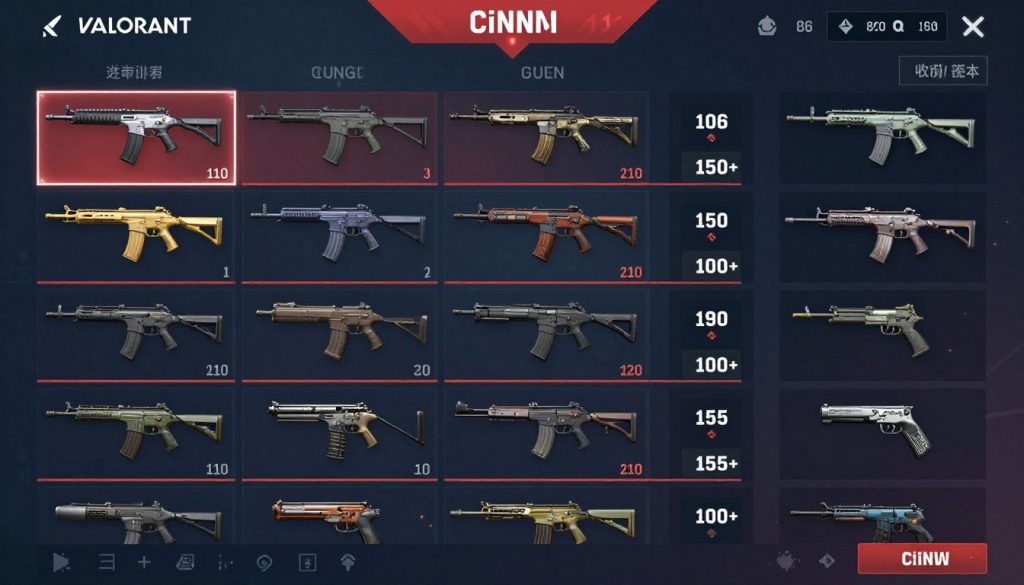
The game’s economy system requires strategic resource management. At the beginning of each round, you’ll spend credits earned from previous round performance to purchase weapons, shields, and abilities. This creates a compelling risk-reward dynamic where teams must decide whether to save for future rounds or invest in the current one. The economic decisions your team makes can dramatically influence the match’s momentum.
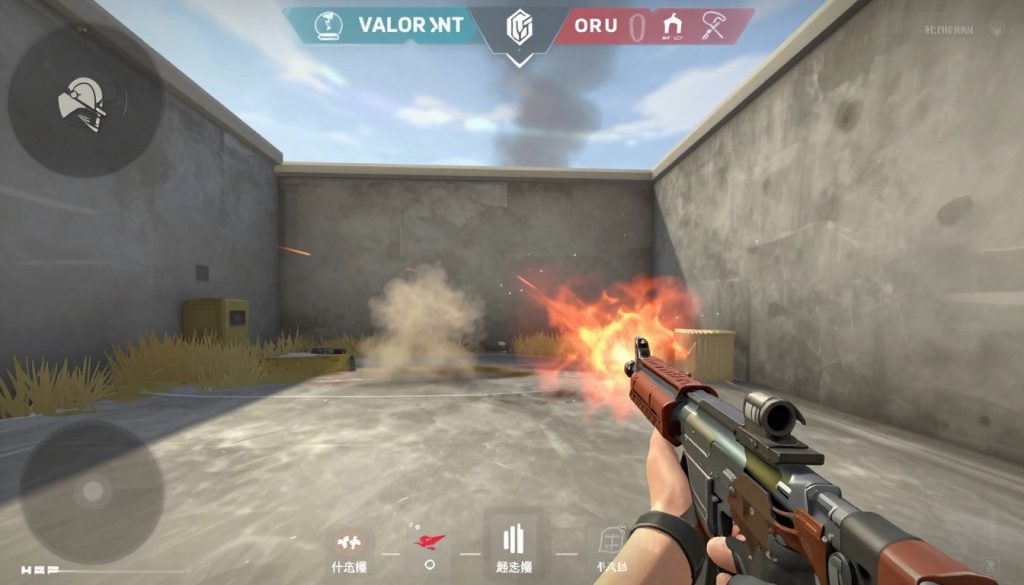
What truly sets VALORANT apart from other tactical shooters is its agent system. Each character has four unique abilities: a signature ability (free each round), two purchasable abilities, and an ultimate that charges through kills, deaths, and orb collection. These abilities aren’t just flashy additions – they fundamentally change how you approach each round, creating layers of strategy beyond pure gunplay.
Ready to Test Your Tactical Skills?
VALORANT is free-to-play and available now. Create an account, download the game, and jump into your first match today.
Agents and Roles: Strategic Diversity
VALORANT’s agent roster is organized into four distinct roles, each serving a specific function within the team composition. Understanding these roles is crucial for effective teamplay:
Duelists
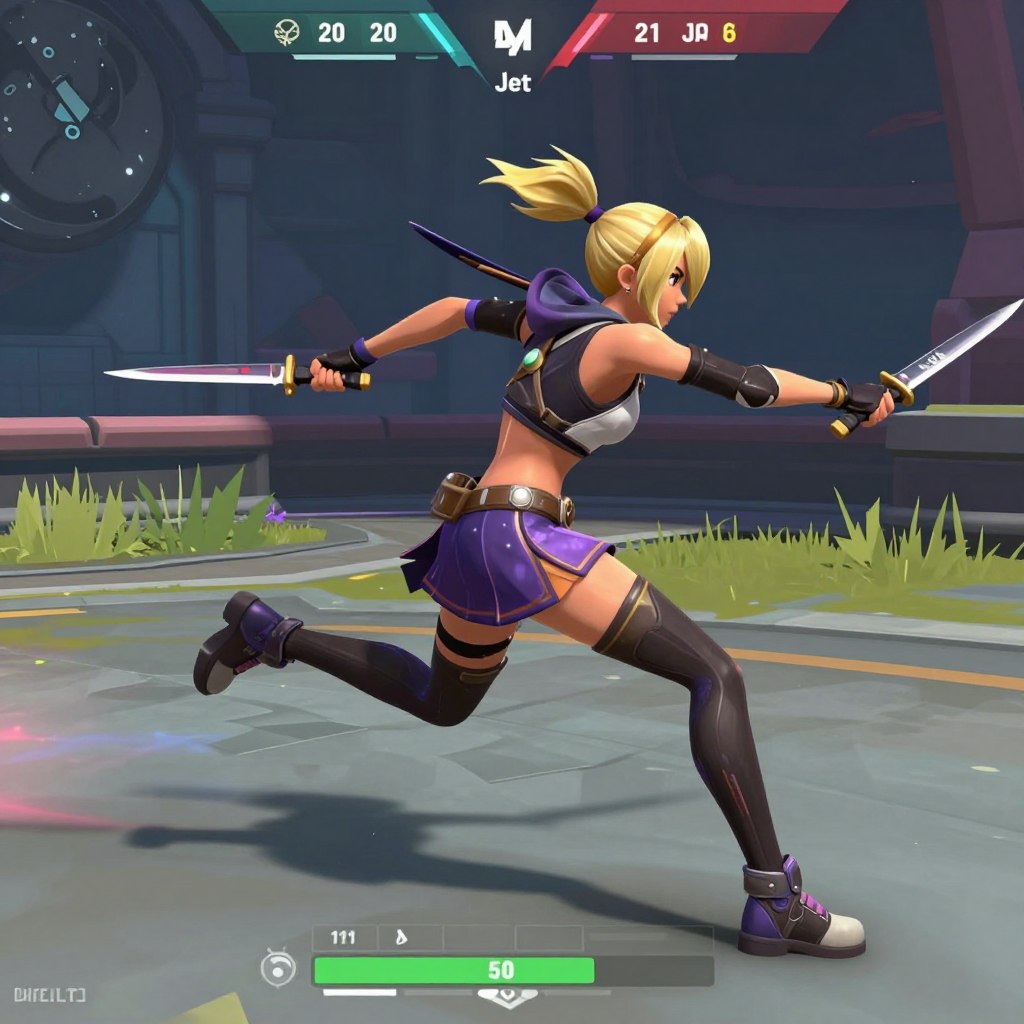
The entry fraggers and self-sufficient playmakers. Agents like Jett and Phoenix excel at creating space and taking aggressive duels with flash abilities and mobility skills. Jett’s signature Tailwind dash allows for quick repositioning after taking fights, while Phoenix can heal himself with fiery abilities.
Initiators
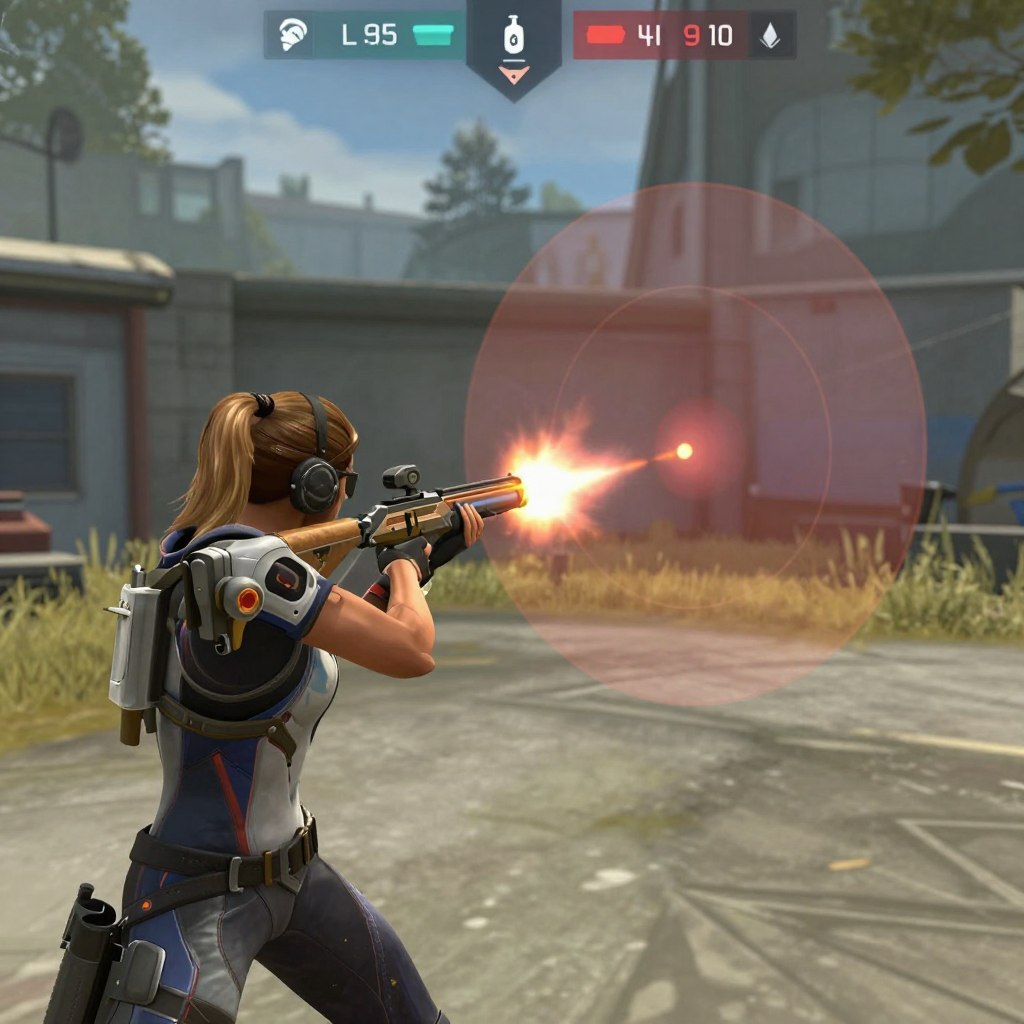
The information gatherers who set up team plays. Agents like Sova and Breach reveal enemy positions and disrupt defensive setups. Sova’s signature Recon Bolt reveals enemy locations through walls, while Breach can stun and disorient opponents with seismic abilities that travel through solid surfaces.
Controllers
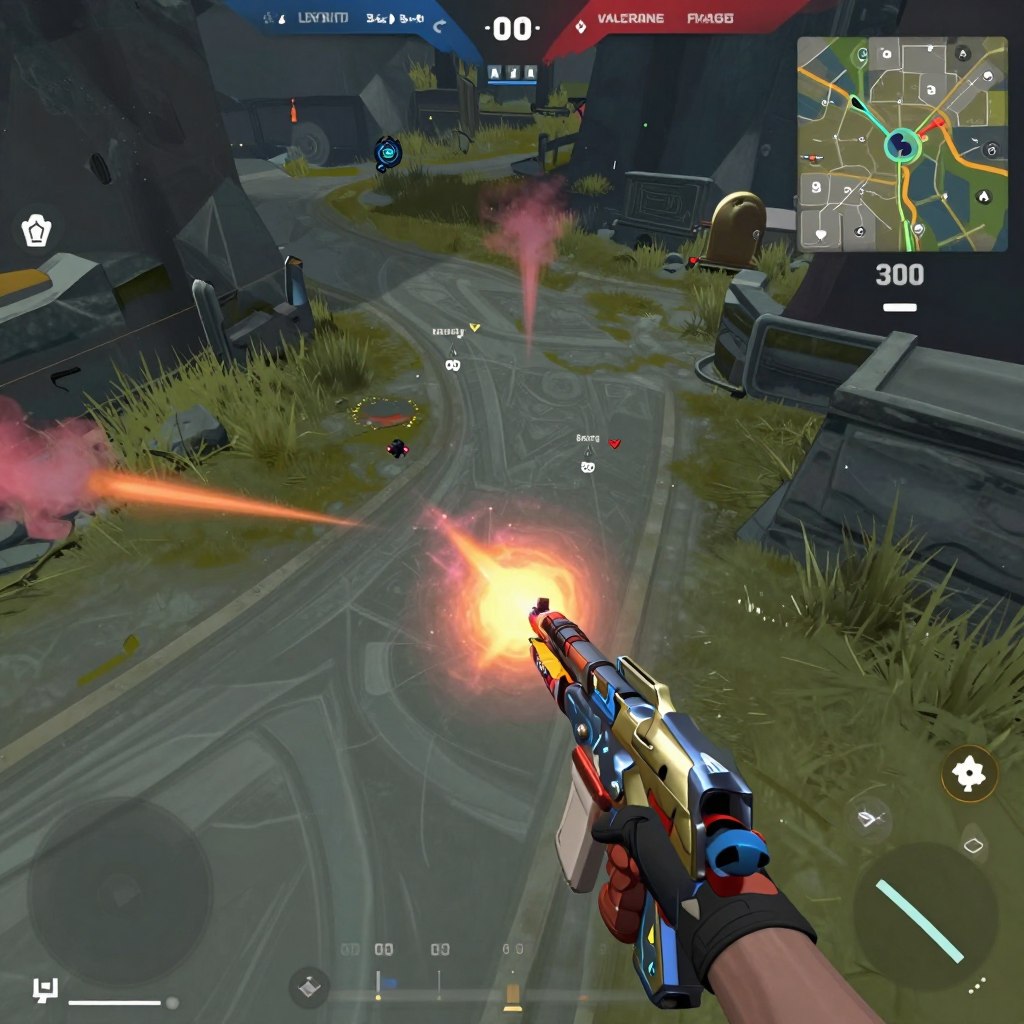
The map control specialists who shape the battlefield. Agents like Brimstone and Omen use smoke abilities to block sightlines and control space. Brimstone’s signature Sky Smoke allows him to deploy multiple smoke screens from a tactical map, while Omen can teleport short distances to reposition.
Sentinels
The defensive anchors who lock down sites. Agents like Sage and Cypher excel at area denial and information control. Sage’s signature Healing Orb restores allies’ health, while Cypher’s Trapwire reveals and temporarily restrains enemies who trigger it.
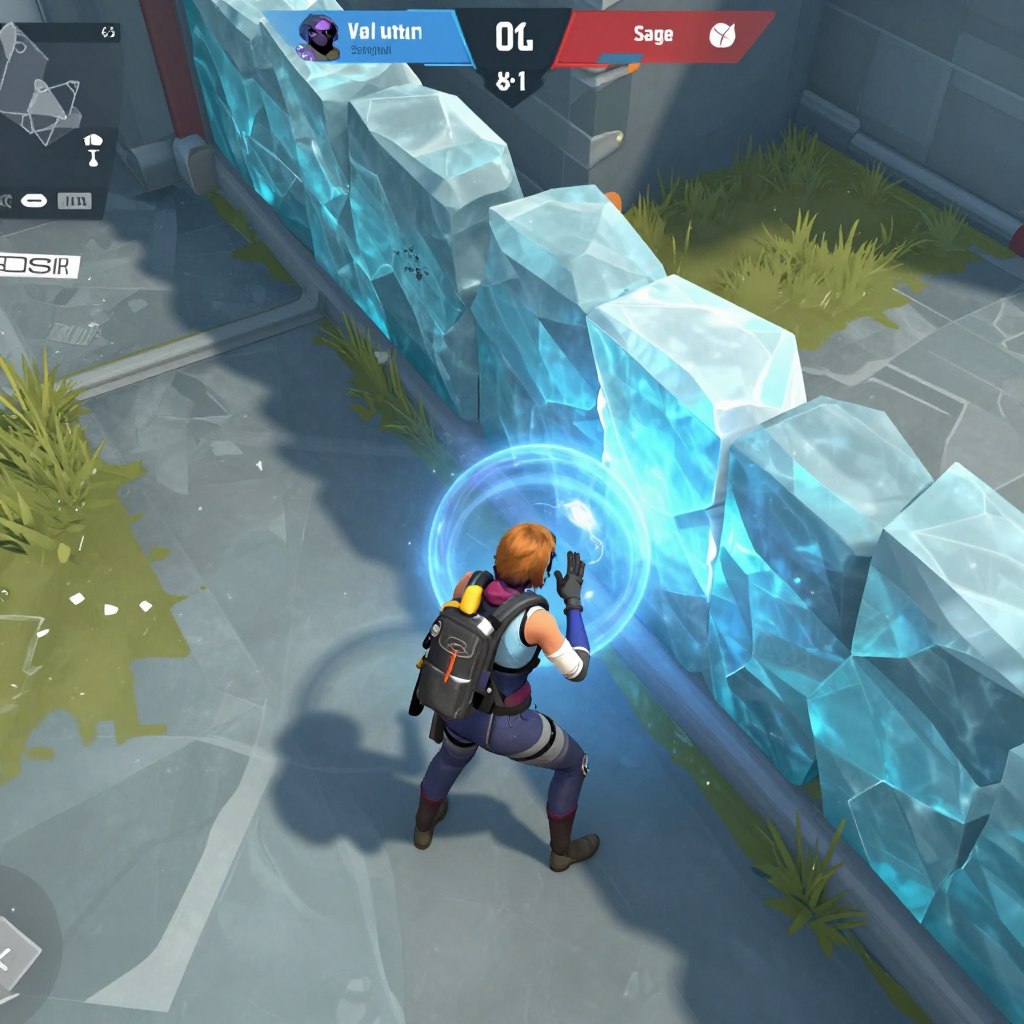
Team composition is vital in VALORANT. A balanced team typically includes at least one agent from each role, though the meta evolves as players discover new strategies and Riot Games releases balance updates. The interplay between different agents’ abilities creates compelling strategic depth that rewards coordination and communication.
Gunplay and Feel: Precision Above All
VALORANT’s gunplay is deliberately precise and punishing. Each weapon has a unique recoil pattern that must be mastered, and movement while shooting dramatically reduces accuracy. Headshots are particularly lethal, often resulting in one-shot kills with rifles like the Vandal. This creates a high skill ceiling that rewards patient positioning and precise aim over run-and-gun tactics.
The game’s audio design is exceptional and plays a crucial role in the tactical experience. Footsteps are directionally precise, ability sounds have distinct audio cues, and even weapon reloads can give away positions. This creates a stealth element where sound management becomes as important as aim, with players often “shift-walking” (moving slowly to silence footsteps) to maintain the element of surprise.
VALORANT’s gunplay is unforgiving but immensely satisfying. Landing that perfect headshot or clutching a round against multiple opponents delivers a rush that few other games can match.
The pace of rounds in VALORANT tends to follow a pattern: slow, methodical information gathering followed by explosive site executions or retakes. This creates a compelling rhythm of tension and release that keeps matches engaging even after hundreds of hours of play. The time-to-kill is extremely fast, meaning positioning and getting the first shot often determines who wins a duel.
Maps and Strategy: Tactical Playgrounds
VALORANT’s maps are meticulously designed for competitive play, each with unique layouts and mechanics. Maps like Bind feature one-way teleporters, Haven has three bombsites instead of the standard two, and Ascent includes mechanical doors that can be destroyed or closed. These distinctive elements force teams to adapt their strategies for each environment.
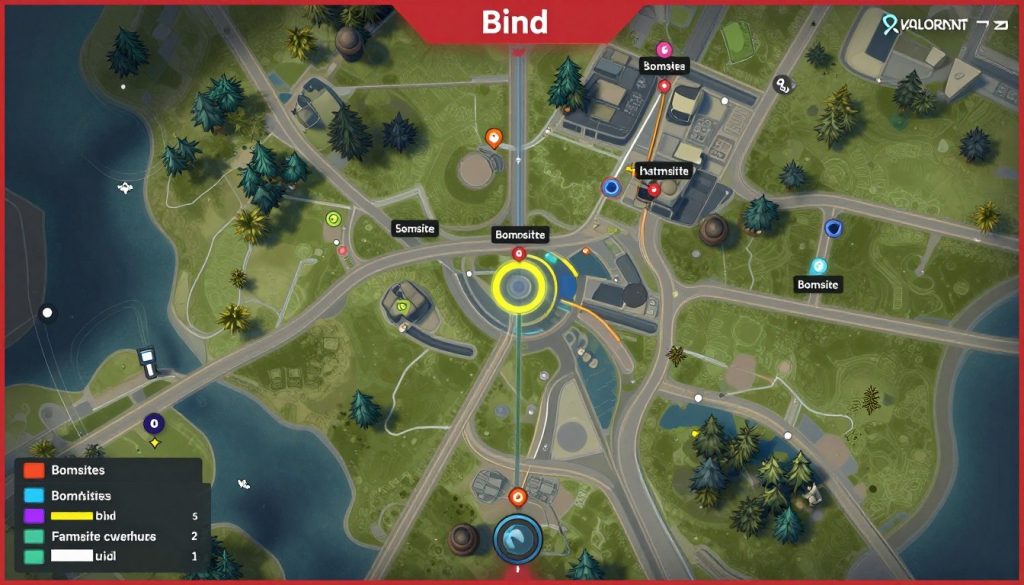
Map control is a fundamental concept in VALORANT. Teams battle for advantageous positions, information-gathering opportunities, and ultimate orbs scattered throughout each map. Controlling key chokepoints allows defenders to funnel attackers into predictable paths, while attackers must use utility effectively to clear angles and create space for site executions.
Post-plant and retake scenarios create some of the game’s most intense moments. Once the spike is planted, attackers transition to a defensive posture, using abilities to delay defusal attempts. Defenders must coordinate their utility usage to clear site and create defusal opportunities within the tight time constraints of the ticking spike.
Visuals, Sound, and Performance: Function Over Form
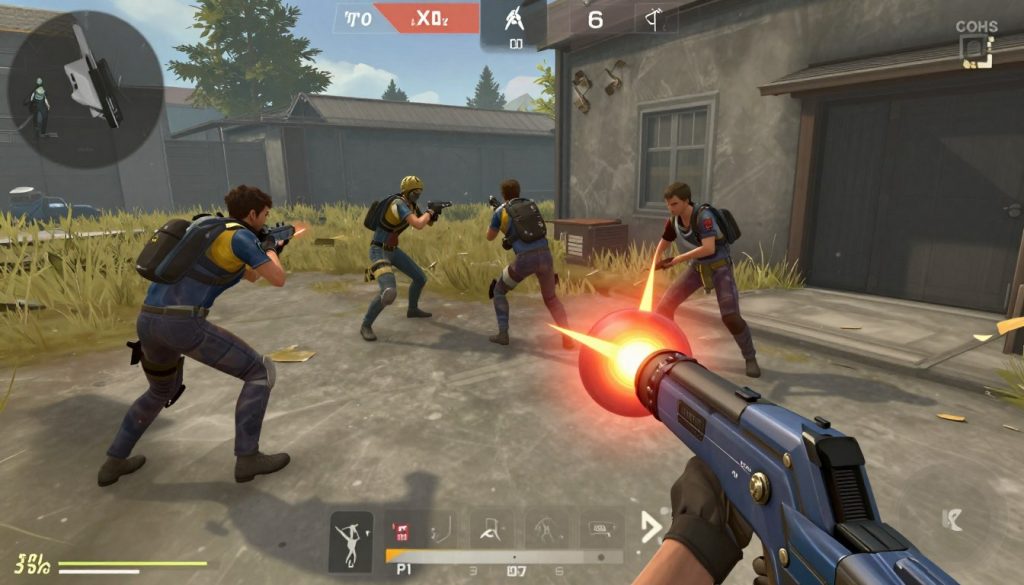
VALORANT’s visual design prioritizes clarity and readability over photorealism. The clean, slightly stylized aesthetic ensures that enemies stand out clearly against backgrounds, ability effects are instantly recognizable, and visual clutter is minimized. This design philosophy extends to character models, which feature distinct silhouettes and color schemes for quick identification.
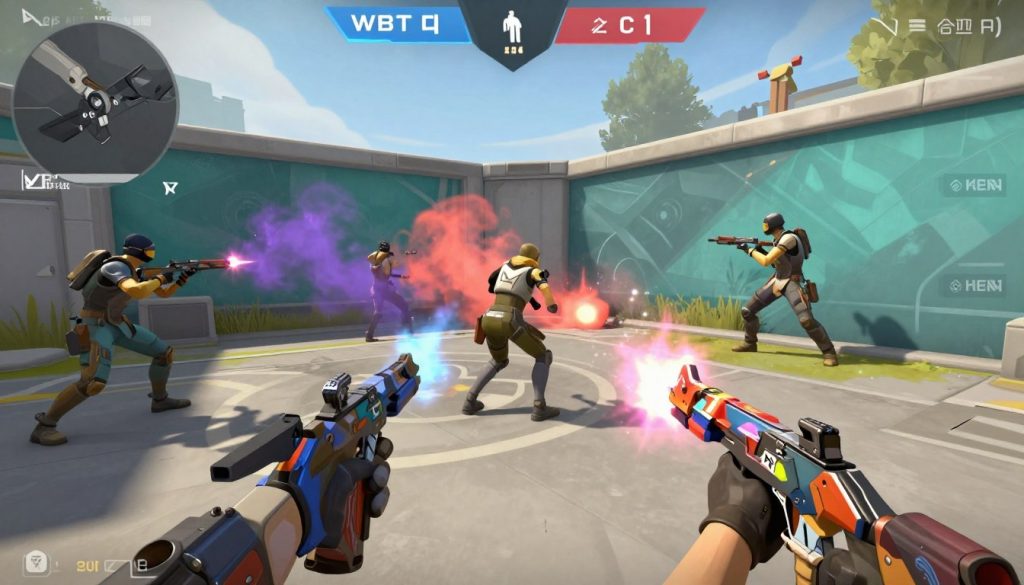
One of Riot’s primary goals with VALORANT was accessibility across a wide range of hardware. The game is remarkably well-optimized, capable of running at competitive framerates even on older systems. This low barrier to entry helps ensure a healthy player population across all skill levels.
Community, Esports, and Monetization
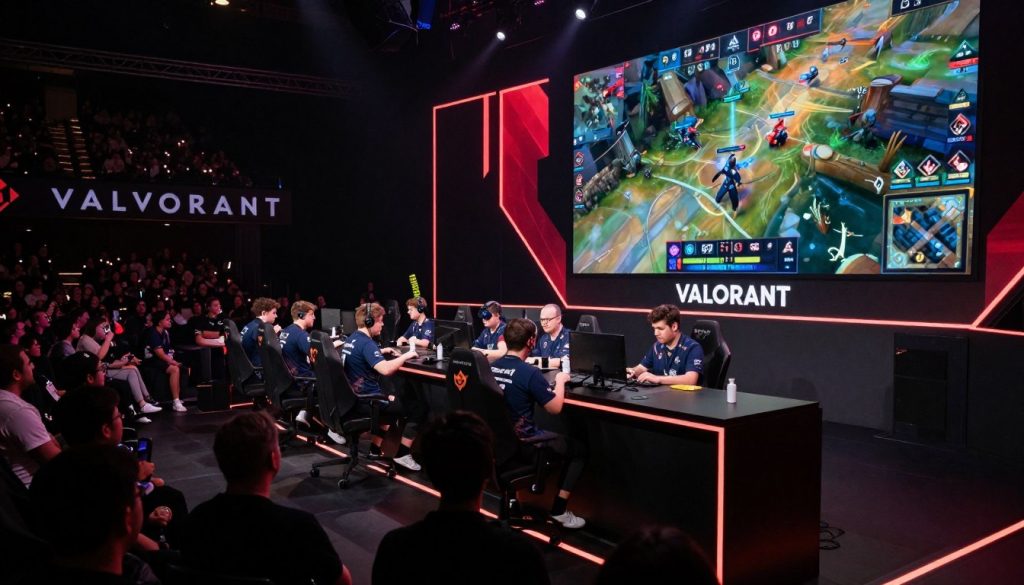
VALORANT has quickly established itself as a major esports title with the VALORANT Champions Tour (VCT) drawing massive viewership. The competitive scene features professional organizations from around the world competing in regional leagues that culminate in international championships. This robust esports ecosystem has helped maintain interest in the game and provides aspirational content for the player base.
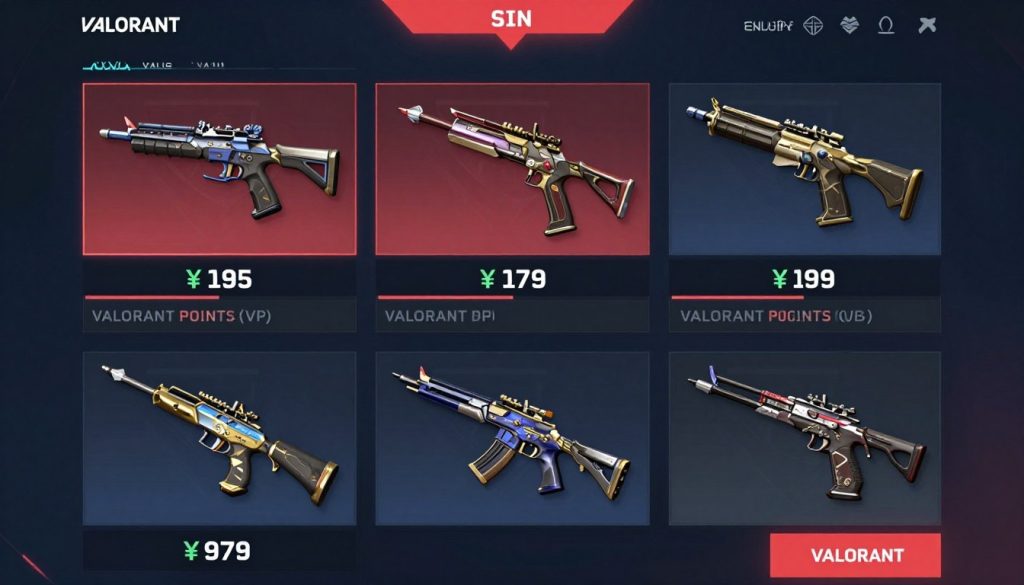
As a free-to-play title, VALORANT’s monetization focuses on cosmetic items that don’t affect gameplay. Weapon skins are the primary offering, ranging from simple recolors to elaborate designs with unique animations, finishers, and sound effects. The pricing is premium, with high-tier skin bundles often costing around $70-100, but the optional nature means players can enjoy the full gameplay experience without spending a cent.
Riot’s anti-cheat system, Vanguard, has been both praised for its effectiveness and criticized for its kernel-level access to users’ systems. While controversial, it has helped maintain competitive integrity by significantly reducing the presence of cheaters compared to many other free-to-play shooters.
Verdict: Who Should Play VALORANT?
What We Liked
- Precise, skill-based gunplay with a high ceiling for improvement
- Strategic depth from the interplay of abilities and traditional tactical shooter elements
- Excellent sound design that rewards game awareness
- Well-optimized performance across various hardware specifications
- Free-to-play model with no gameplay advantages behind paywalls
- Regular updates with new agents, maps, and balance changes
What Could Be Better
- Steep learning curve that can be intimidating for FPS newcomers
- Premium cosmetics are expensive compared to industry standards
- Some maps have received criticism for design issues
- Community can be toxic, especially in competitive play
- Vanguard anti-cheat requires kernel-level access that some find intrusive
VALORANT excels at blending tactical shooter fundamentals with hero-based abilities in a package that feels both familiar and fresh. The game is at its best when played with friends in a coordinated team, though solo queue can still be rewarding for those willing to communicate effectively with strangers.
The game is ideal for players who enjoy:
- Tactical, round-based shooters with an emphasis on strategy
- High-skill ceiling gameplay that rewards practice and precision
- Team-based experiences where coordination is key
- Competitive environments with clear objectives
It may not appeal to those looking for:
- Fast-paced, run-and-gun action without consequences
- Solo experiences without team dependency
- Casual pick-up-and-play sessions without commitment
With its free-to-play model, there’s no financial barrier to trying VALORANT for yourself. The game has demonstrated staying power since its 2020 release, with Riot Games’ continued support ensuring a healthy future for both casual players and competitive enthusiasts.
Ready to Join the VALORANT Community?
VALORANT is free to download and play. Create your Riot account, install the game, and experience this tactical shooter for yourself.
Minimum System Requirements: Windows 7/8/10 (64-bit), 4GB RAM, 1GB VRAM
Final Thoughts on Our VALORANT Game Review
VALORANT has successfully carved out its niche in the competitive FPS landscape by combining Counter-Strike’s tactical precision with the strategic depth of hero-based abilities. The result is a compelling experience that rewards both mechanical skill and thoughtful strategy. While the learning curve is steep and the community can be demanding, few games offer the same satisfaction of executing a perfect site take or clutching a seemingly impossible round.
As Riot Games continues to support VALORANT with regular updates, new agents, and a thriving esports scene, the game’s future looks bright. Whether you’re a tactical shooter veteran or curious newcomer, VALORANT offers a distinctive and rewarding competitive experience that’s worth your time – especially since that time is the only investment required to get started.