
Call of Duty: Warzone represents Activision’s bold entry into the battle royale arena, bringing the franchise’s signature polished gunplay and tactical depth to a free-to-play format. Since its launch in March 2020, Warzone has evolved into one of the most played battle royale games, offering intense firefights across massive maps with up to 150 players. This review dives deep into what makes Warzone tick, from its core gameplay loop to its integration with the mainline Call of Duty titles, helping you decide if this is the battle royale experience you’ve been looking for.
Core Gameplay: Drop, Loot, Survive
Players drop into the battlefield at the start of each Warzone match
At its heart, Call of Duty: Warzone follows the traditional battle royale formula with several distinctive twists. Each match begins with players dropping from a plane onto the map, equipped with only a pistol and two armor plates. From there, the objective is simple yet challenging: be the last operator or squad standing as a deadly gas circle gradually constricts the playable area.
What sets Warzone apart from other battle royales is its innovative approach to player elimination. When you’re taken down for the first time, you’re not immediately out of the game. Instead, you’re sent to the Gulag, a prison where you face off against another eliminated player in a 1v1 showdown. Win, and you earn a second chance on the battlefield; lose, and your teammates must purchase your return at a Buy Station—if they survive long enough.
The looting system is streamlined compared to other battle royales. Rather than managing complex inventory systems, players collect cash, weapons, armor plates, and equipment. Cash is particularly crucial as it allows you to purchase loadout drops, killstreaks, and teammate respawns at Buy Stations scattered across the map.
The Loadout System: Bringing Your Arsenal to Battle
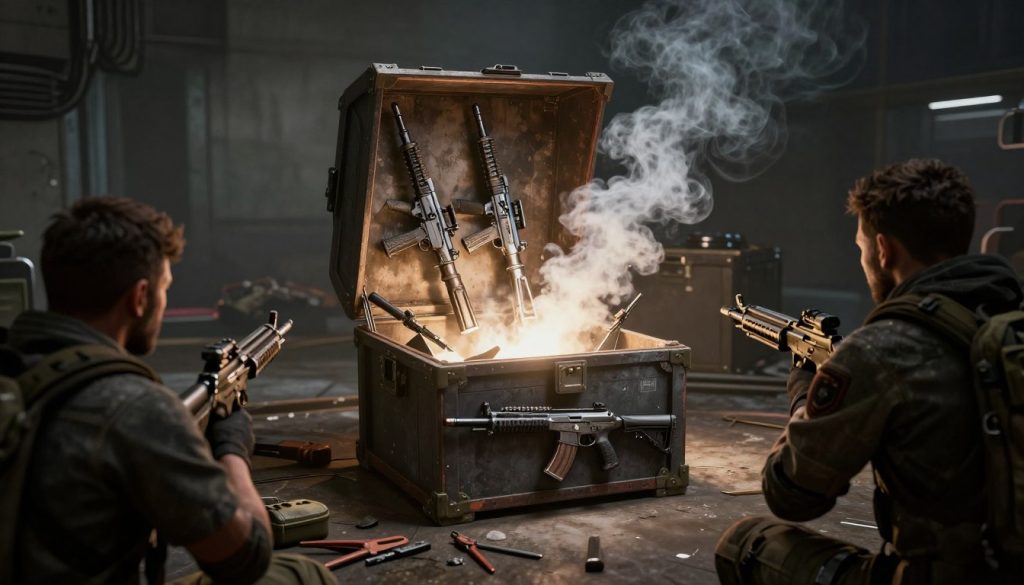
Perhaps the most revolutionary aspect of Warzone is its loadout system. Unlike other battle royales where you’re at the mercy of random loot, Warzone allows you to call in pre-configured weapon loadouts during a match. These loadouts include your preferred weapons with attachments, perks, and equipment—all customized before the match begins.
This system creates a unique dynamic where the early game revolves around gathering enough cash to purchase your loadout drop, transforming the mid-game into a more traditional Call of Duty multiplayer experience. It rewards players who have spent time unlocking and leveling up weapons in multiplayer modes, while also reducing the frustration of poor loot RNG that plagues other battle royales.
The loadout system isn’t without controversy, however. It can create a significant advantage for veteran players who have access to meta weapons and attachments, potentially steepening the learning curve for newcomers. Despite this, it remains one of Warzone’s most distinctive and appreciated features.
Map Design: From Verdansk to Caldera
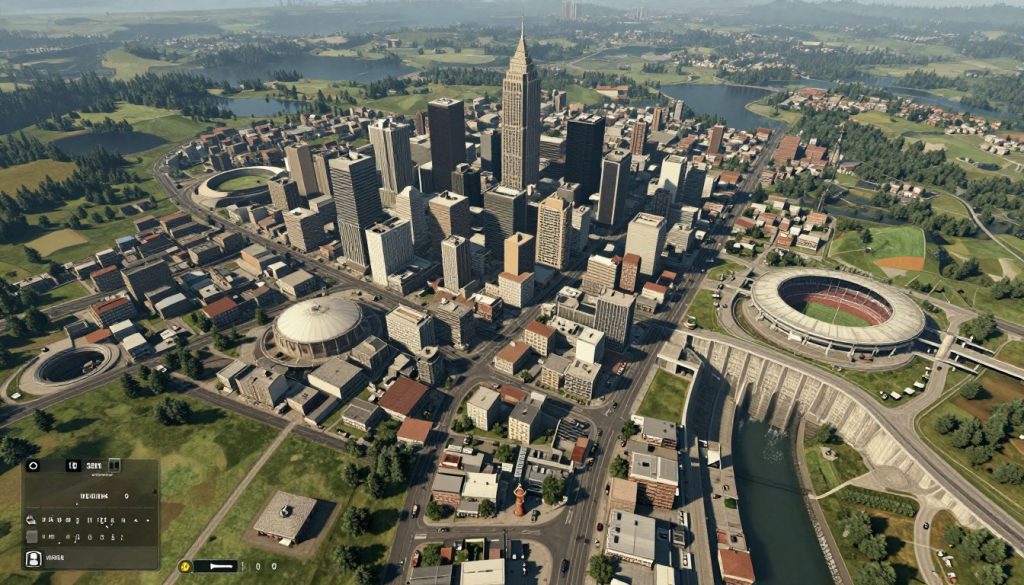
Throughout its lifecycle, Warzone has featured several maps, each with their own identity and strategic considerations. The original Verdansk map became instantly iconic with its mix of urban environments, industrial zones, and open terrain. Points of interest like Downtown, Stadium, and Superstore quickly became notorious hot drops, while the map’s verticality added a layer of tactical depth not seen in many other battle royales.
Rebirth Island offers a more compact experience, focusing on fast-paced combat with a smaller player count and the Resurgence respawn mechanic. This smaller map has become a favorite for players looking for quicker, more action-packed matches without the extended looting phase.
The Pacific-themed Caldera map replaced Verdansk in late 2021, bringing a completely different aesthetic with its tropical setting, dense foliage, and mountainous terrain. The shift from urban to natural environments changed the meta significantly, rewarding different playstyles and weapon choices.
Each map has its strengths and weaknesses, but all share Warzone’s emphasis on varied engagement distances and strategic positioning. The thoughtful placement of Buy Stations, contracts, and vehicles ensures that players are constantly making meaningful decisions about how to navigate the battlefield.
Gunplay and Movement: The Call of Duty DNA
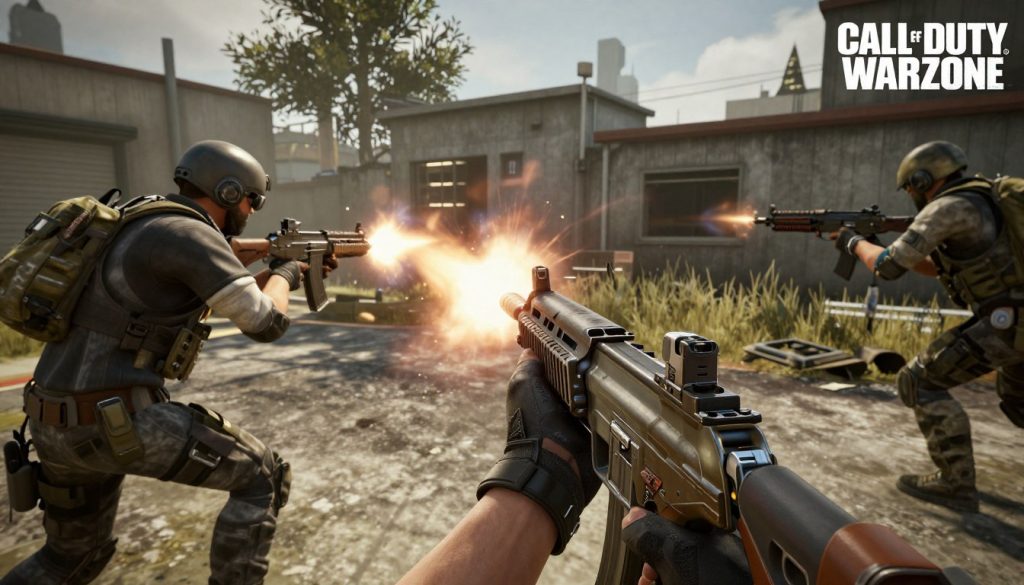
Warzone’s gunplay is directly inherited from the mainline Call of Duty titles, offering tight, responsive controls and a satisfying feel to each weapon. The game features an extensive arsenal spanning multiple eras of warfare, from modern tactical rifles to WWII-era submachine guns, depending on which Call of Duty title is currently integrated.
The time-to-kill (TTK) is relatively fast compared to other battle royales, rewarding precision and quick reflexes. This creates intense firefights where positioning and getting the first shot often determine the outcome. The armor plate system adds a layer of strategy to engagements, allowing players to repair their defenses mid-fight if they can find cover.
Movement in Warzone feels fluid and intuitive, with tactical sprint, sliding, and mounting mechanics carried over from Modern Warfare. The addition of features like parachute redeployment from high places and swimming capabilities in later updates expanded the movement options available to players, creating more opportunities for creative plays and escapes.
The combination of Call of Duty’s refined gunplay with battle royale’s high-stakes format creates a uniquely tense experience where each engagement feels consequential, yet familiar enough for FPS veterans to quickly adapt.
In-Game Economy and Contracts
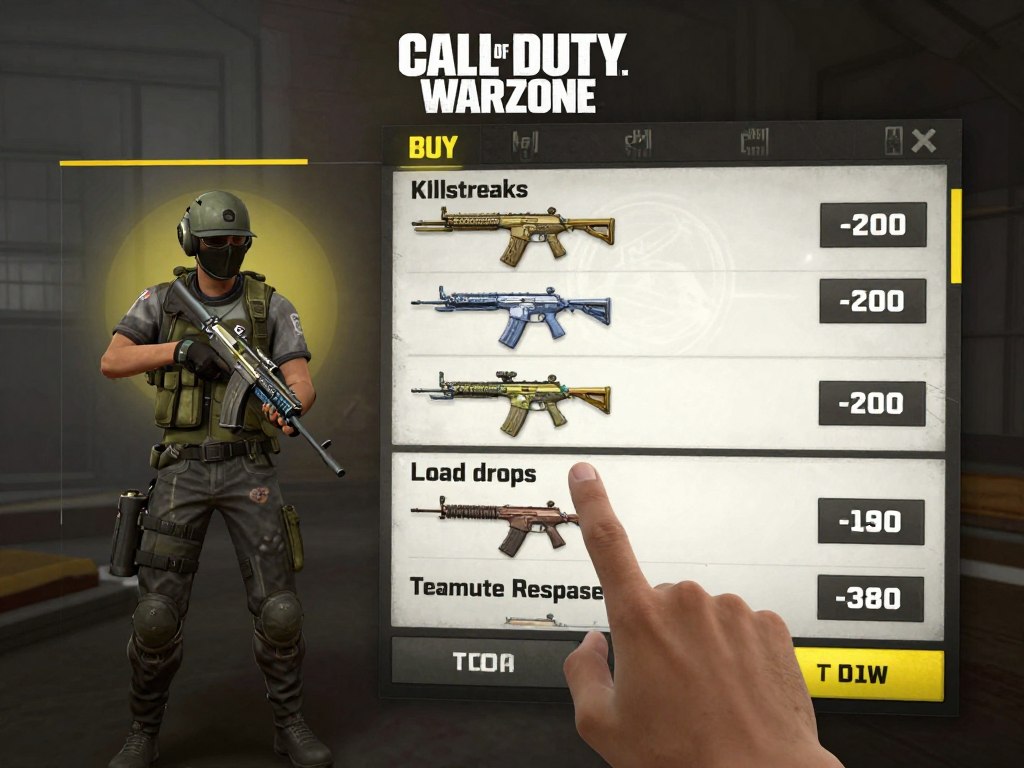
Warzone’s in-game economy adds a strategic layer that sets it apart from other battle royales. Cash is the lifeblood of a successful Warzone run, allowing teams to purchase game-changing advantages at Buy Stations. These include loadout drops ($10,000), killstreaks like UAVs and Precision Airstrikes, gas masks for surviving outside the safe zone, and the ability to respawn eliminated teammates.
To earn cash, players can loot buildings, eliminate opponents, or complete contracts. These contracts are optional objectives that appear throughout the map and come in several varieties:
- Bounty Contracts target a specific enemy team, revealing their approximate location
- Scavenger Contracts lead players to a series of supply boxes with valuable loot
- Recon Contracts require securing a specific location to reveal the next circle’s position
- Most Wanted Contracts mark your team on everyone’s map but offer a large cash reward and automatic respawn of all teammates if completed
This contract system brilliantly solves the mid-game lull common in battle royales by giving players clear objectives and incentives to keep moving and engaging. It creates natural points of conflict as teams converge on contract objectives, ensuring the pacing remains dynamic throughout the match.
Audio Design, Graphics, and Technical Performance
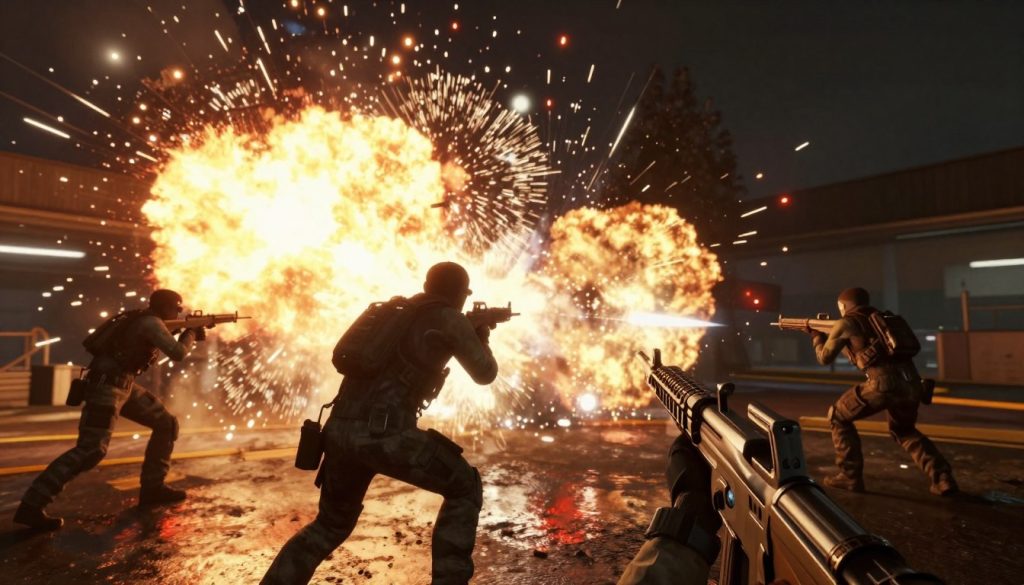
Visually, Warzone maintains the high production values expected from the Call of Duty franchise. The maps are richly detailed, with impressive lighting, texture work, and environmental design. Weather effects and day/night variations add visual variety and can significantly impact gameplay by affecting visibility and engagement distances.
Audio design plays a crucial role in the Warzone experience. The directional sound of footsteps, gunfire, and vehicles provides vital tactical information, though consistency issues have been a point of contention in the community. The satisfying crack of bullets, the distinctive sound of opening loot boxes, and the tension-building audio cues when the gas circle closes all contribute to the immersive atmosphere.
On the technical front, Warzone has faced challenges throughout its lifecycle. The game’s massive size—often exceeding 100GB with updates—has been a frequent complaint. Performance can vary significantly across platforms, with frame rate drops during intense firefights and occasional texture streaming issues. Cross-platform play, while a welcome feature for playing with friends across different systems, has sparked debates about input method balancing between controller and mouse/keyboard players.
Server stability has improved since launch, but occasional connectivity issues and cheating problems have periodically impacted the experience. Activision’s anti-cheat systems have evolved in response, though the battle against hackers remains ongoing.
Evolution and Integration with Call of Duty Titles
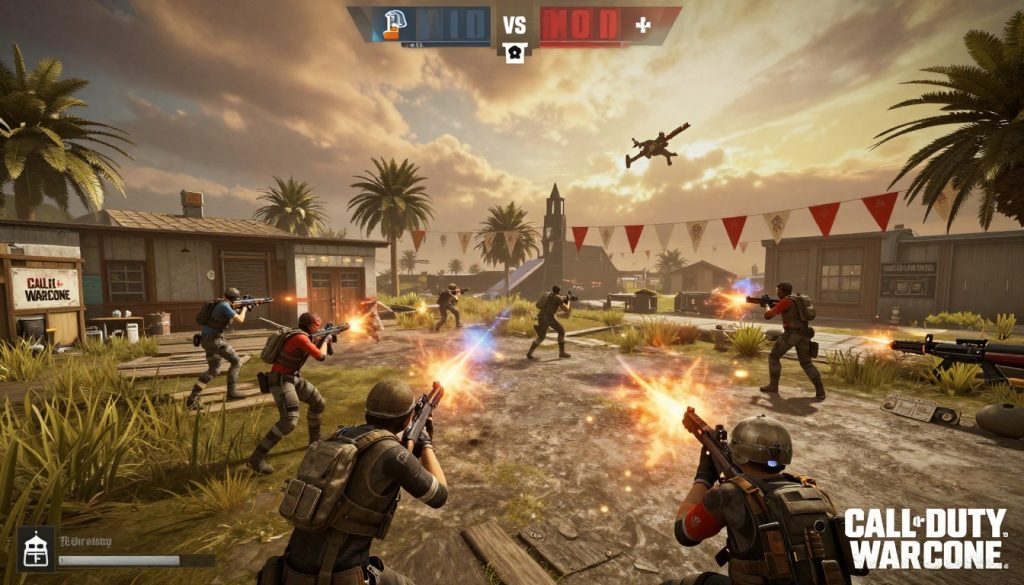
One of Warzone’s most distinctive aspects is its integration with the annual Call of Duty releases. What began as an extension of Modern Warfare (2019) has evolved to incorporate elements from Black Ops Cold War, Vanguard, and Modern Warfare II. Each integration has brought new weapons, operators, and gameplay mechanics, keeping the experience fresh but sometimes at the cost of balance and consistency.
The game’s seasonal content model has been both a strength and weakness. Regular updates bring new points of interest, weapons, game modes, and battle passes, ensuring there’s always something new to experience. Seasonal events transform the map with themed decorations and limited-time modes, while major map changes and in-game events (like the nuclear destruction of Verdansk) create memorable moments in the game’s evolving narrative.
Beyond the standard battle royale, Warzone has experimented with various game modes. Plunder offers a more casual experience focused on cash collection rather than survival, while Resurgence mode on smaller maps provides faster-paced action with respawn mechanics. Limited-time modes like Armored Royale and Payload have further diversified the gameplay options.
This constant evolution has kept Warzone relevant in the competitive battle royale space, though the frequency of weapon balance changes and meta shifts can be overwhelming for casual players to keep up with.
Strengths and Weaknesses: The Warzone Experience
Strengths
- Polished, responsive gunplay inherited from Call of Duty
- Innovative mechanics like the Gulag and loadout system
- Free-to-play model with cross-platform support
- Regular content updates and seasonal events
- Contract system prevents mid-game lulls
- Varied maps catering to different playstyles
- In-game economy adds strategic depth
Weaknesses
- Steep learning curve for newcomers
- Massive download size and frequent large updates
- Occasional performance and server issues
- Skill-based matchmaking controversies
- Aggressive monetization of cosmetics
- Periodic issues with cheaters/hackers
- Weapon balance changes can be frequent and jarring
Warzone’s greatest strength is how it successfully translates the tight, responsive gameplay of Call of Duty into the battle royale format while adding innovative mechanics that address common pain points in the genre. The Gulag gives players a second chance, contracts provide clear objectives, and the loadout system reduces loot RNG frustration.
However, the game isn’t without flaws. The technical demands can be prohibitive for some players, while the complex weapon meta and aggressive skill-based matchmaking can make casual play challenging. The monetization model, while free-to-play, heavily promotes battle passes and cosmetic bundles, some of which have been criticized for their pricing.
The integration with multiple Call of Duty titles has been a double-edged sword, bringing fresh content but sometimes at the cost of game balance and cohesion. Each major integration has required significant adjustment periods as the meta settles.
The Player Experience: From Newcomers to Veterans
For newcomers, Warzone can be intimidating. The combination of battle royale tension with Call of Duty’s fast time-to-kill creates a steep learning curve. The introduction of practice modes and the Plunder game mode offers less punishing environments to learn the mechanics, but the path to competence still requires persistence.
Mid-level players will find Warzone’s depth rewarding as they master positioning, loadout optimization, and team tactics. The variety of viable playstyles—from aggressive pushing to strategic positioning—means players can find approaches that suit their strengths.
Veterans appreciate the high skill ceiling and the satisfaction of executing complex strategies with a coordinated team. The meta game of optimizing loadouts for different situations and adapting to balance changes keeps the experience fresh even after hundreds of hours.
Regardless of skill level, Warzone shines brightest as a social experience. The squad-based nature creates memorable moments of clutch plays, hilarious failures, and everything in between. The shared tension of a final circle standoff or the celebration of a hard-fought victory builds connections that keep players coming back.
Monetization and Long-Term Support
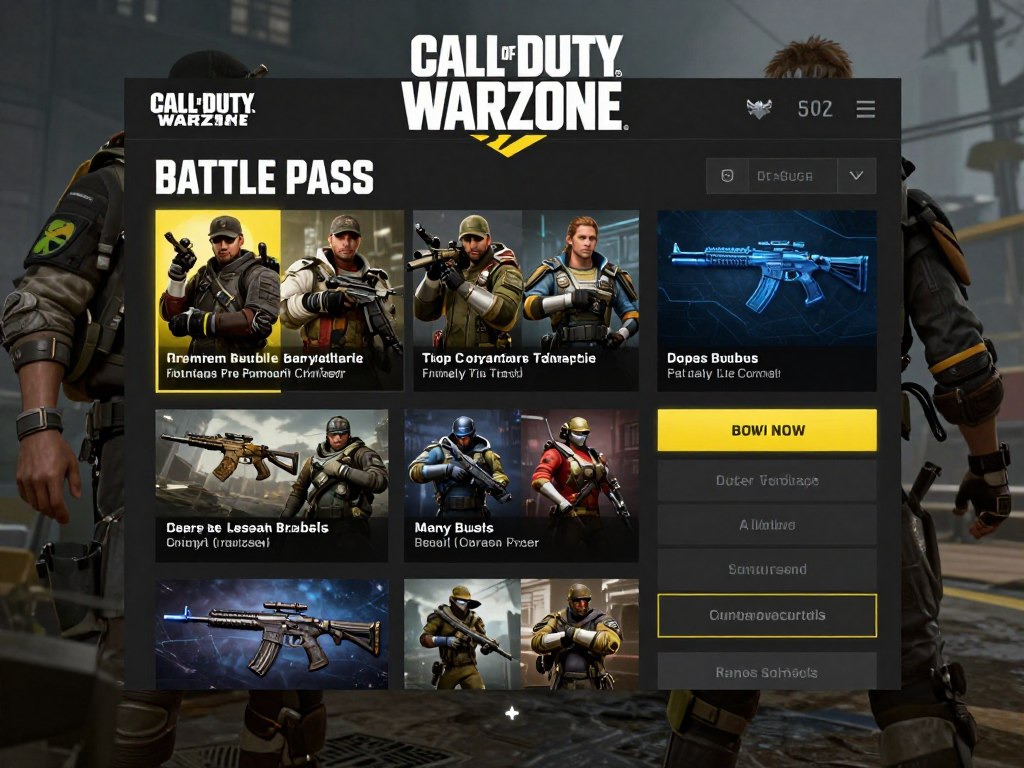
As a free-to-play title, Warzone monetizes primarily through battle passes and cosmetic bundles. The battle pass system offers a mix of free and premium rewards, including operator skins, weapon blueprints, and Call of Duty Points (the premium currency). Completing the premium battle pass typically earns enough points to purchase the next season’s pass, creating a sustainable model for engaged players.
The in-game store offers rotating bundles featuring elaborate operator skins, tracer rounds, finishing moves, and weapon blueprints. These cosmetics are purely visual and don’t affect gameplay, maintaining competitive integrity. However, the pricing—often $15-24 for premium bundles—has been a point of contention.
Activision’s long-term support for Warzone has been substantial, with regular updates addressing balance issues, adding new content, and responding to community feedback. The transition to Warzone 2.0 in late 2022 represented a significant evolution of the platform, though it also fragmented the player base temporarily.
The game’s integration with each new Call of Duty release ensures a steady stream of fresh content, though this model also means that Warzone’s identity is constantly shifting as it adapts to incorporate elements from different titles.
Community and Competitive Scene
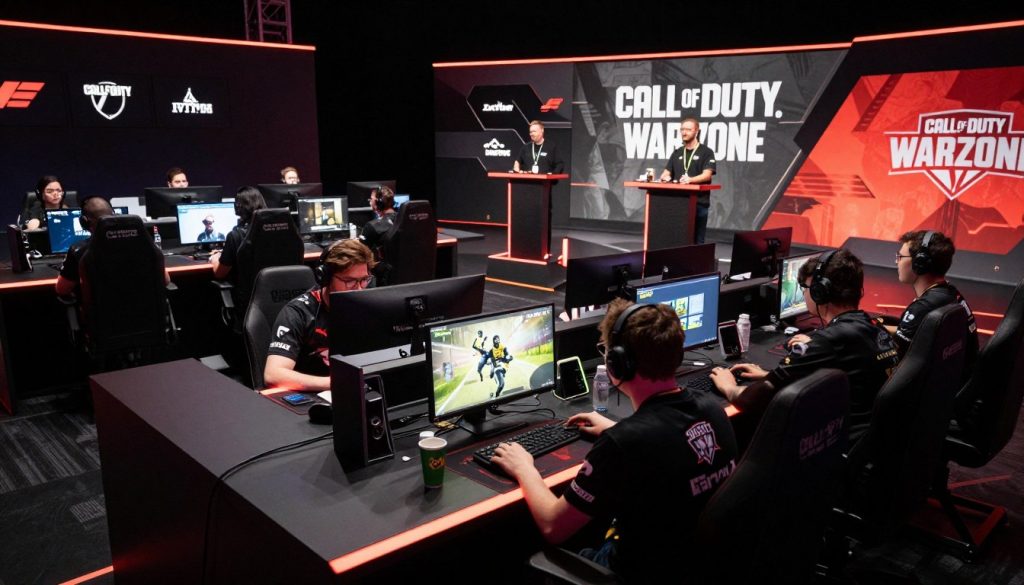
Warzone has fostered a vibrant community across streaming platforms, social media, and forums. Content creators have played a significant role in the game’s popularity, with personalities like NICKMERCS, TimTheTatman, and Dr Disrespect drawing massive audiences to their Warzone streams and helping shape the meta through their loadout recommendations.
The competitive scene has evolved from informal kill-race tournaments to more structured competitions with substantial prize pools. While Warzone lacks some of the spectator tools and competitive features of other esports titles, its accessibility and high-skill ceiling have made it a popular choice for competitive play.
Community feedback has directly influenced the game’s development, with vocal responses to balance issues, bugs, and content updates often leading to changes. This relationship hasn’t always been smooth, but the developers’ willingness to adapt based on player input has been evident throughout the game’s lifecycle.
Verdict: Where Warzone Stands in the Battle Royale Landscape
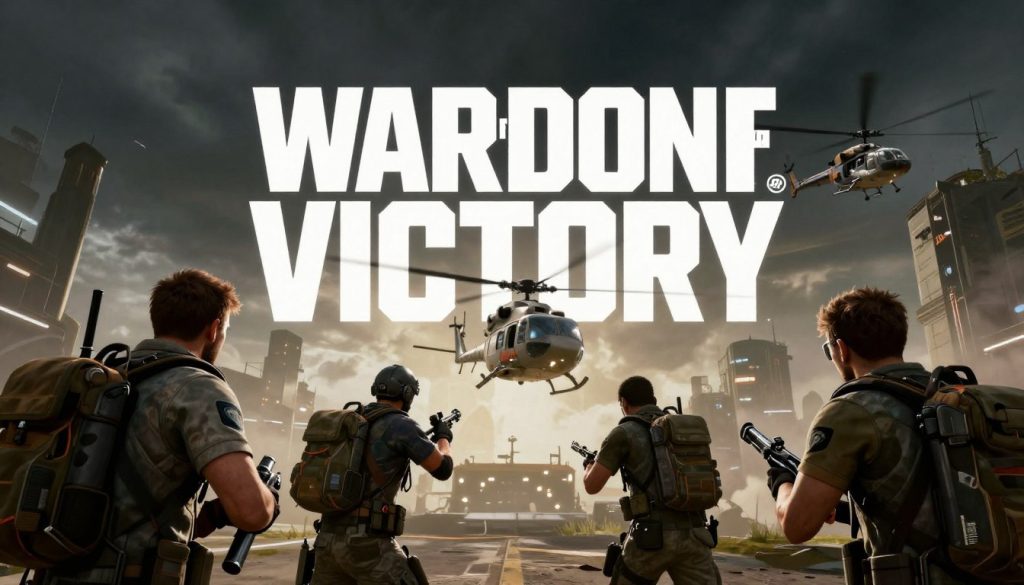
Call of Duty: Warzone has earned its place as one of the premier battle royale experiences available today. By successfully translating Call of Duty’s refined gunplay and movement into a free-to-play battle royale format, it offers a distinctive experience that stands apart from competitors like Fortnite, Apex Legends, and PUBG.
The game is at its best when played with friends, where communication and teamwork can overcome even the steepest odds. The high-tension moments—clutching a 1v4 in the final circle, winning your Gulag to rejoin your team, or perfectly executing a coordinated push—create gaming memories that few other titles can match.
Warzone is ideal for players who appreciate tactical depth but want faster-paced action than some other battle royales offer. It rewards both mechanical skill and strategic thinking, with enough variety in viable playstyles to accommodate different preferences. The free-to-play model means there’s no financial barrier to entry, though keeping up with the meta may require purchasing the annual Call of Duty releases.
While not without flaws—technical demands, a steep learning curve, and aggressive monetization among them—Warzone’s strengths far outweigh its weaknesses. For fans of first-person shooters looking for a battle royale experience with depth, polish, and regular content updates, Warzone remains one of the most compelling options available.
Ready to Drop Into Verdansk?
Call of Duty: Warzone is free-to-play and available now on PlayStation, Xbox, and PC. Join over 100 million players in the ultimate battle royale experience. Whether you’re a seasoned FPS veteran or new to the genre, there’s never been a better time to squad up and drop in.