
In a gaming landscape dominated by futuristic warfare and modern combat scenarios, DICE’s bold decision to set Battlefield 1 during World War I stands as a refreshing departure. Released in 2016, this entry in the long-running Battlefield series doesn’t just change the setting—it fundamentally alters how the franchise approaches combat while delivering one of the most atmospheric war experiences in gaming. But does this historical pivot successfully balance authenticity with the series’ trademark chaotic fun? Our comprehensive review explores how Battlefield 1 manages to honor its historical inspiration while delivering the intense multiplayer action fans expect.
Historical Context: The Great War Reimagined
Battlefield 1 represents the first major AAA shooter to tackle World War I since the genre’s inception. While other franchises continued pushing toward increasingly futuristic settings, DICE made the surprising choice to look backward, exploring a conflict often overshadowed by its successor in popular media. This decision wasn’t without risk—the trench warfare and primitive weaponry of WWI seemingly at odds with the fast-paced, vehicle-heavy combat Battlefield is known for.
Rather than attempting a strictly historical simulation, DICE opts for a more romanticized portrayal of the Great War. The game emphasizes the technological transition happening during this period—the clash between old-world cavalry charges and the emerging mechanized warfare that would define conflicts to come. This approach allows Battlefield 1 to maintain its signature gameplay while introducing players to a fascinating historical period rarely explored in interactive entertainment.
The game spans multiple fronts of the war, from the muddy trenches of Western Europe to the sun-baked deserts of the Middle East and the alpine peaks of the Italian front. This global approach highlights the truly “world” nature of the conflict, exposing players to theaters of war that even history buffs might be unfamiliar with. While historical purists might take issue with some liberties taken, the game succeeds in capturing the essence of the era—a world caught between centuries, where traditional warfare met industrial slaughter.
Single-Player Campaign: War Stories
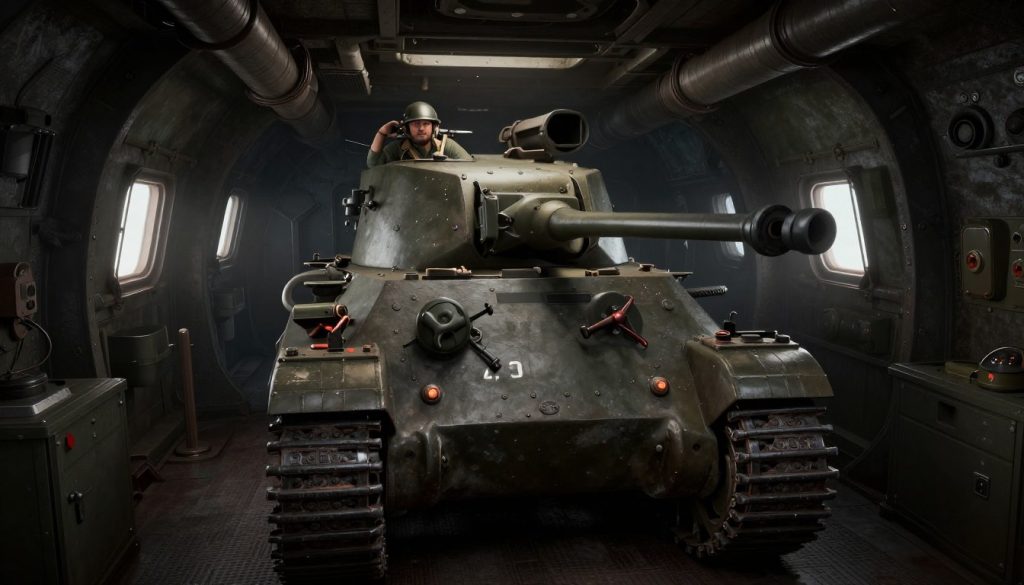
Departing from the traditional linear campaign, Battlefield 1 introduces “War Stories”—an anthology of five short narratives plus a prologue that explores different aspects of the conflict through the eyes of various protagonists. This structure proves to be one of the game’s strongest innovations, allowing DICE to showcase different gameplay styles while avoiding the narrative fatigue that can plague longer campaigns.
The prologue, “Storm of Steel,” sets the tone perfectly. Rather than making you an invincible hero, you play as multiple soldiers who inevitably die in the chaos of battle, driving home the war’s brutal toll. This sobering introduction gives way to more focused stories that balance character development with varied gameplay.
“Through Mud and Blood” puts you in the boots of a tank driver pushing through German lines, while “Friends in High Places” features a roguish American pilot in the British Royal Flying Corps. “Avanti Savoia” follows Italian special forces in the Alps, and “The Runner” depicts the ANZAC forces at Gallipoli. Perhaps most interesting is “Nothing is Written,” which places you alongside Lawrence of Arabia as a Bedouin rebel fighting the Ottoman Empire.
Each War Story introduces different gameplay mechanics—tank warfare, aerial dogfights, stealth operations, and traditional infantry combat. This variety serves as both an engaging narrative device and an effective tutorial for multiplayer. The campaign also includes educational “Field Manual” collectibles that provide historical context without interrupting gameplay.
While the campaign is relatively short at 5-6 hours, its anthology format means there’s little filler. Each story maintains a tight focus on its characters and setting, creating memorable vignettes that humanize a conflict often reduced to statistics and trench warfare. The writing occasionally struggles to balance its respectful portrayal of war’s horrors with the need to create entertaining gameplay scenarios, but overall, the War Stories represent one of the most thoughtful single-player experiences in the franchise.
Multiplayer: The Heart of the Battlefield Experience
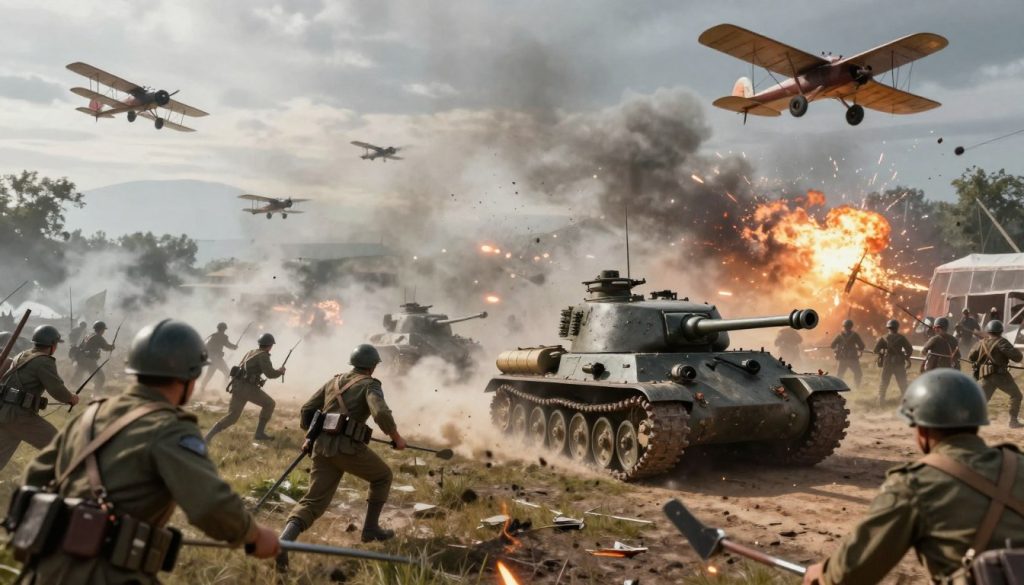
As with any Battlefield title, multiplayer remains the core experience, and Battlefield 1 delivers some of the most intense and atmospheric online combat in the series’ history. The WWI setting introduces a refreshing change of pace from modern military shooters, with weapons that feel distinctly different from their contemporary counterparts.
Class System and Combat Mechanics
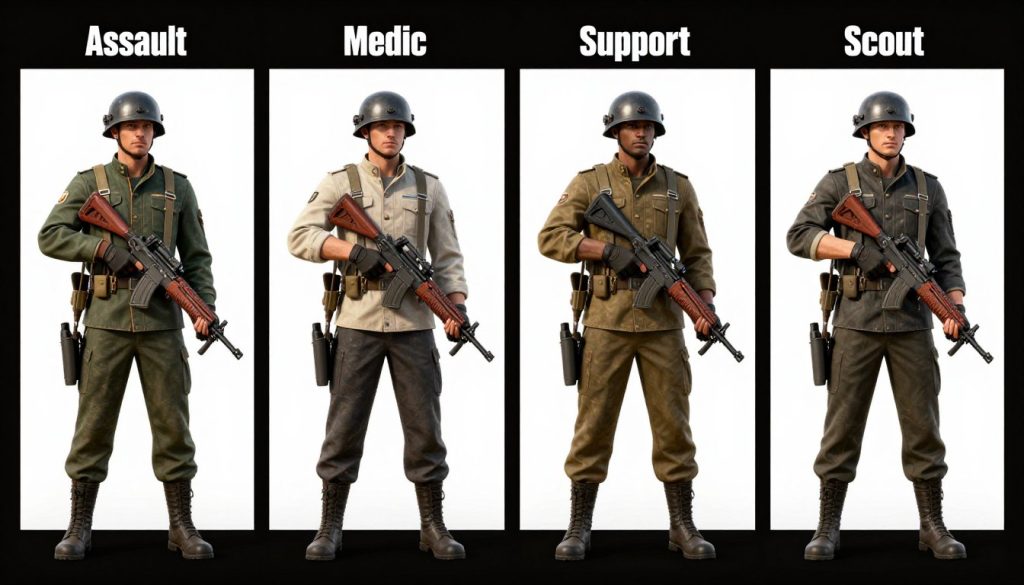
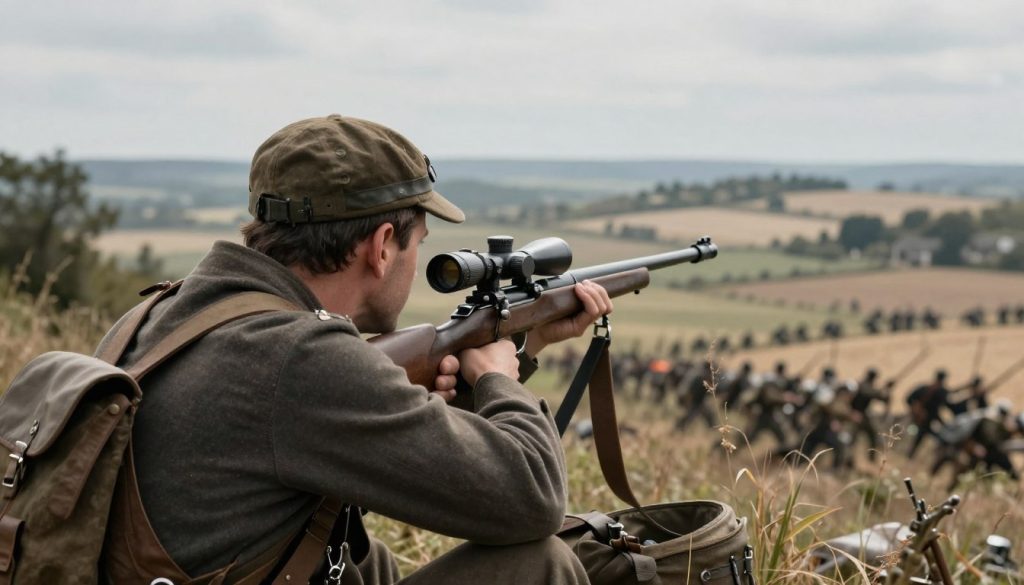
The class system returns with four primary roles: Assault (anti-vehicle and close-quarters specialist), Medic (healing and medium-range combat), Support (ammunition supply and suppressive fire), and Scout (long-range reconnaissance). Each class feels more distinct than in previous entries, partly due to the era’s weapon limitations. Assault players wield shotguns and early submachine guns, Medics carry semi-automatic rifles, Support soldiers manage unwieldy but powerful light machine guns, and Scouts rely on bolt-action rifles that demand precision.
This weapon diversity creates a more tactical experience where range and positioning matter significantly. The primitive nature of WWI firearms means each has pronounced strengths and weaknesses—submachine guns are devastating up close but nearly useless at range, while bolt-action rifles require careful timing between shots. This balance encourages teamwork and proper class composition, as no single soldier can excel in all situations.
Vehicles and Behemoths
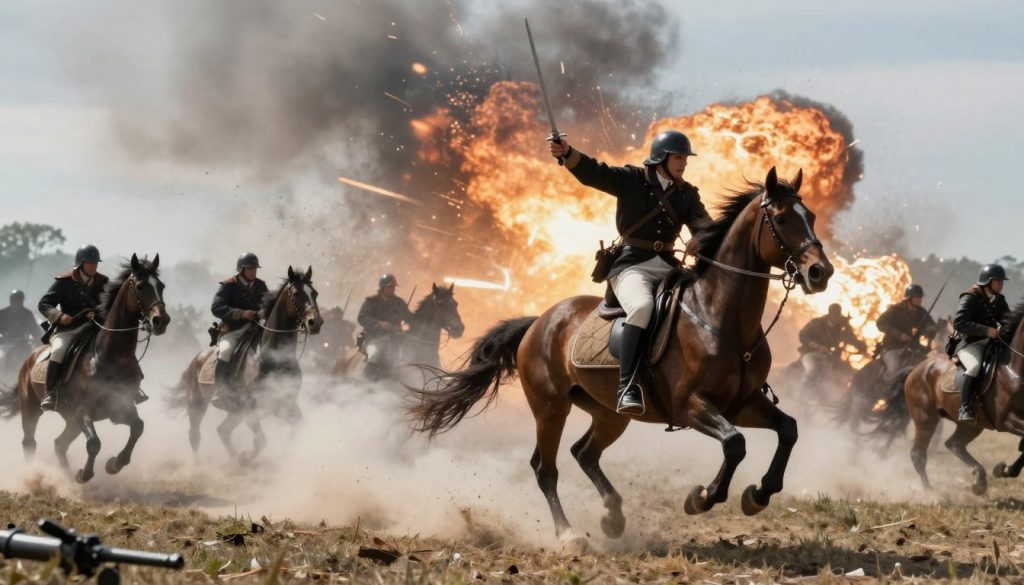
Vehicles play a crucial role in Battlefield 1’s multiplayer, though they’re fewer in number than in modern-set entries. Tanks are powerful but slow, requiring coordinated teamwork to operate effectively. Biplanes offer thrilling dogfights that feel distinctly different from jet combat in other titles. Perhaps most unique is the introduction of cavalry—mounted soldiers who can charge into battle with sabers drawn, offering a completely new gameplay dynamic.
The game’s most spectacular addition is the Behemoth system—massive vehicles that spawn for the losing team in certain modes. These include the imposing Airship, the armored train, and the Dreadnought battleship. Each can turn the tide of battle with devastating firepower but requires coordination to operate effectively. The sight of a burning Airship crashing to the ground ranks among gaming’s most spectacular moments.
Game Modes and Maps
Beyond the returning Conquest, Rush, and Team Deathmatch modes, Battlefield 1 introduces Operations—a multi-map experience that simulates historical campaigns. Attackers must push defenders back across multiple sectors and, if successful, continue the battle on a new map. This creates an epic sense of progression rarely seen in online shooters, with matches that can last over an hour and feature dramatic momentum shifts.
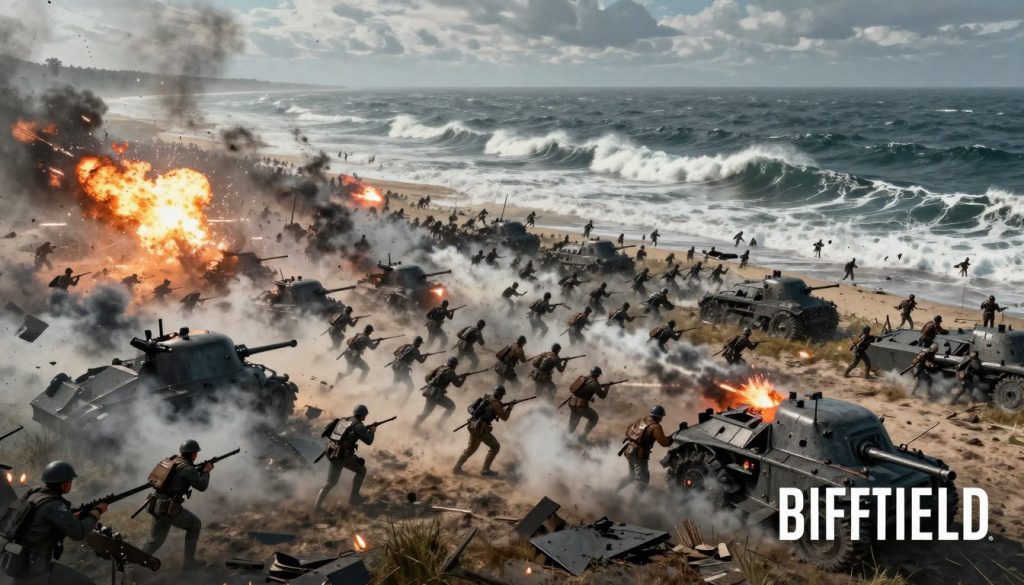
The game’s ten base maps span diverse environments from the claustrophobic urban combat of Amiens to the open desert warfare of Sinai. Each map features dynamic weather effects that can dramatically alter visibility and tactics—sandstorms in the desert maps and thick fog on European battlefields create tense moments where close-quarters combat becomes necessary. The destructible environments, a Battlefield staple, feel particularly appropriate in WWI’s artillery-dominated battlefields.
Audiovisual Presentation: Setting the Standard
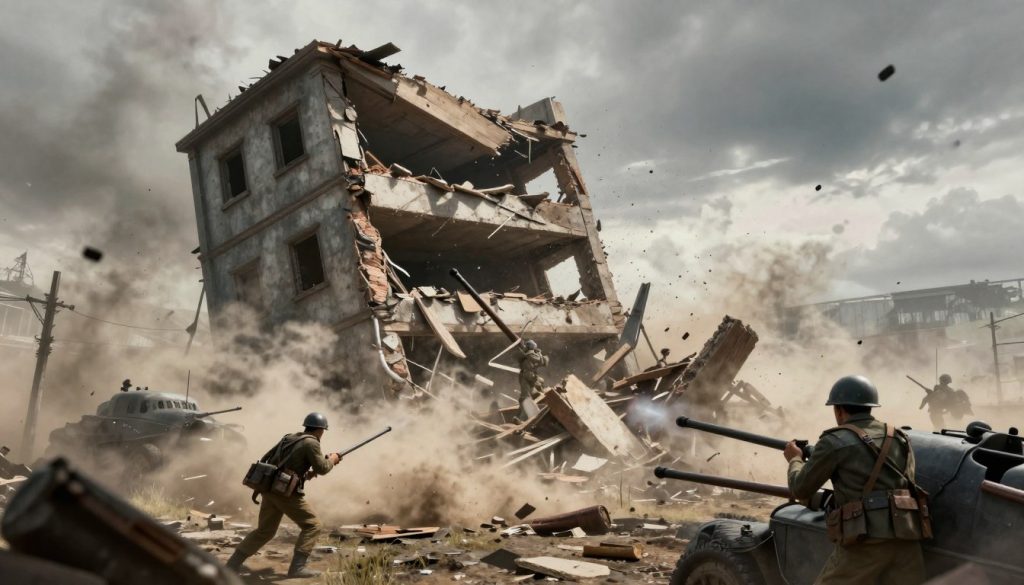
Battlefield 1 stands as one of the most visually impressive and atmospherically immersive shooters of its generation. DICE’s Frostbite engine delivers stunning vistas and detailed character models while maintaining the series’ trademark destructible environments. Buildings crumble under artillery fire, terrain becomes cratered and scarred, and the once-pristine landscapes transform into the hellish moonscapes that defined the Western Front.
The art direction deserves special praise for its balance of historical authenticity and visual clarity. Each faction features distinctive uniforms and equipment that remain readable in the chaos of battle. The environmental design captures the stark contrast between the war’s various fronts—from the bleak, mud-soaked trenches of France to the sun-baked Ottoman territories.
Where Battlefield 1 truly excels is in its audio design, possibly the best in the series to date. The crack of rifle fire, the mechanical chugging of early tanks, and the distinctive engine sounds of different aircraft create an immersive soundscape that communicates crucial battlefield information. The distant thunder of artillery and the unsettling whistle of incoming shells build tension, while the screams of bayonet-charging soldiers create moments of genuine alarm.
The orchestral score deserves special mention, abandoning the electronic elements of previous entries for a more classical approach that better suits the historical setting. The music swells during dramatic moments and recedes during quieter periods, enhancing the emotional impact of both single-player and multiplayer experiences.
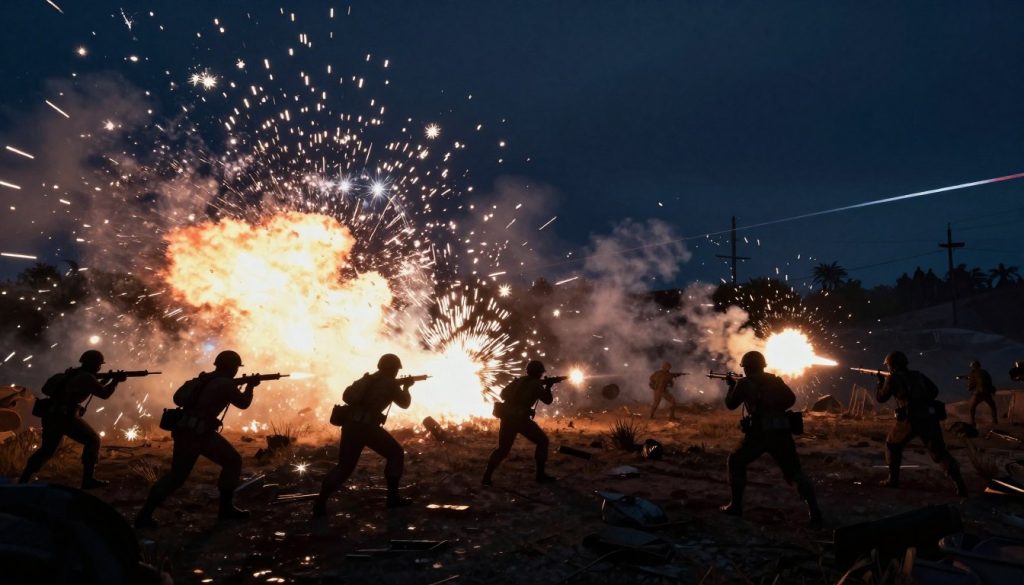
Dynamic weather and lighting systems further enhance immersion. A sunny day can transform into a vision-obscuring fog bank, forcing players to adapt their tactics. Night maps feature flares and explosions that temporarily illuminate the battlefield, creating tense cat-and-mouse encounters. These systems ensure that no two matches feel identical, even on familiar maps.
Strengths: Where Battlefield 1 Excels
Strengths
- Refreshing historical setting that stands out in the FPS genre
- Anthology-style campaign with diverse perspectives and gameplay
- Operations mode creates epic, multi-map battles with historical context
- Class-based gameplay with well-balanced, distinctive roles
- Spectacular audio design that enhances immersion and provides tactical information
- Behemoth system adds dramatic comeback potential and spectacular moments
- Dynamic weather and destruction systems create evolving battlefields
- Historically inspired weapons feel unique and require different tactics
Weaknesses
- Short single-player campaign leaves you wanting more
- Some historical liberties taken with weapons and tactics
- Certain maps favor specific classes, creating balance issues
- Behemoths can feel ineffective despite their impressive appearance
- Operations mode can be time-consuming for casual players
- Some repetitive mission objectives in the campaign
- Limited customization options compared to modern-set entries
- Steep learning curve for players new to the series
Battlefield 1’s greatest strength lies in its willingness to take risks. The WWI setting could have been limiting, but DICE turns these constraints into opportunities for innovation. The primitive weapons create a more deliberate pace where positioning and teamwork matter more than twitch reflexes. This results in a more tactical experience that rewards strategy over pure skill.
The War Stories campaign, while brief, represents one of the most thoughtful approaches to single-player content in the franchise. By focusing on personal stories across different fronts, it humanizes a conflict often reduced to statistics and trench warfare. The educational elements, seamlessly integrated through collectibles, add depth without becoming intrusive.
Operations mode stands as perhaps the game’s most significant innovation, creating a sense of persistent battle rarely achieved in online shooters. The historical framing of each operation, complete with narrated introductions and conclusions, adds context that makes victories and defeats feel more meaningful than in traditional multiplayer modes.
Weaknesses: Room for Improvement
Despite its many strengths, Battlefield 1 isn’t without flaws. The single-player campaign, while innovative in structure, remains relatively short at 5-6 hours. Some War Stories feel more developed than others, with “Through Mud and Blood” and “The Runner” standing out while others seem rushed by comparison.
Historical purists may take issue with the game’s representation of WWI combat. The prevalence of automatic weapons and the fast-paced nature of battles don’t always align with historical accounts of the conflict. While this serves gameplay well, it does somewhat diminish the educational value of the experience.
In multiplayer, certain maps favor specific classes to a degree that can feel unbalanced. Wide-open desert maps can become sniper havens, while urban environments heavily favor Assault players. This can lead to frustration when your preferred playstyle is at a significant disadvantage on certain maps.
The Behemoth system, while spectacular, doesn’t always fulfill its intended purpose of helping the losing team mount a comeback. These massive vehicles require coordination to use effectively—something that’s often lacking in teams already struggling. They frequently become impressive but ineffective spectacles rather than game-changers.
For players accustomed to the extensive customization options of modern military shooters, Battlefield 1’s more limited selection might feel restrictive. While historically appropriate, the narrower range of attachments and modifications means there’s less opportunity to tailor weapons to specific playstyles.
Verdict: A Bold and Refreshing Entry
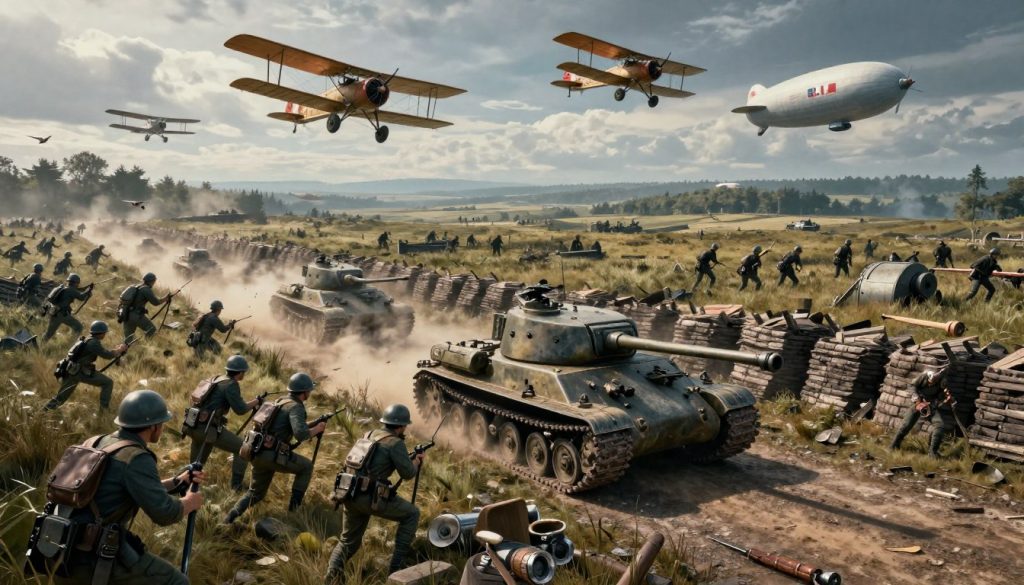
Battlefield 1 represents one of the boldest entries in the franchise, successfully reimagining its trademark gameplay within a historical setting that few developers have dared to tackle. By embracing the constraints of World War I and finding creative ways to maintain the series’ signature chaotic fun, DICE delivers an experience that feels both fresh and familiar.
The anthology approach to single-player content sets a new standard for how FPS campaigns can tell meaningful stories while serving as an effective tutorial for multiplayer mechanics. While brief, these War Stories offer some of the most memorable moments in the series’ history and a refreshing perspective on a conflict often overshadowed in popular media.
In multiplayer, the WWI setting forces a more tactical approach where positioning and teamwork matter more than in modern-set shooters. The Operations mode stands as the game’s crowning achievement, creating epic multi-map battles that capture the ebb and flow of historical campaigns while providing context that makes victories feel meaningful.
Battlefield 1 isn’t perfect—the campaign could be longer, some historical liberties might bother purists, and certain multiplayer maps can feel unbalanced. However, these flaws are minor compared to what the game gets right: creating an immersive, atmospheric war experience that honors its historical inspiration while delivering the chaotic fun that defines the Battlefield series.
Is Battlefield 1 Right For You?
Battlefield 1 is an essential purchase for fans of the series looking for a fresh take on the formula. History enthusiasts will appreciate the attention to detail, while FPS players seeking a more tactical experience than modern shooters will find much to enjoy in its deliberate combat pace.
Legacy: Impact on the Battlefield Series
Looking back at Battlefield 1 from today’s perspective, its impact on the franchise and the FPS genre is undeniable. The game’s commercial and critical success proved that players were hungry for historical settings beyond the oversaturated modern and near-future military shooter market. This directly influenced DICE’s decision to return to World War II with Battlefield V, though that title would struggle to capture the same magic.
The War Stories format established a new template for how Battlefield approaches single-player content, moving away from the generic “American soldier saves the world” narratives that dominated military shooters for years. This anthology approach allows for more diverse perspectives and gameplay styles while acknowledging the global nature of modern conflicts.
Operations mode has become a franchise staple, evolving into Grand Operations in Battlefield V and influencing similar large-scale, narrative-driven modes in other shooters. The concept of multi-map battles with contextual objectives represents one of the most significant innovations in multiplayer FPS design in recent years.
Perhaps most importantly, Battlefield 1 demonstrated that taking creative risks with established franchises can pay off. By embracing a setting that initially seemed limiting and finding ways to make it work within the Battlefield formula, DICE created one of the most memorable entries in the series—one that stands as a high watermark for atmospheric, immersive first-person shooters.
For players who missed Battlefield 1 upon its initial release or veterans considering a return to its trenches, the game remains a compelling experience that offers something distinct from both its predecessors and successors. Its unique blend of historical setting and refined gameplay mechanics creates an experience that feels timeless, even as newer entries in the franchise have come and gone.