
The Far Cry series has long established itself as the premier destination for chaotic open-world mayhem, and with Far Cry 6, Ubisoft aims to perfect its formula while addressing criticisms of past entries. Set against the backdrop of Yara, a fictional Caribbean island inspired by Cuba, this latest installment puts players in the combat boots of Dani Rojas, a reluctant revolutionary fighting against the tyrannical rule of dictator Antón Castillo. But does this tropical revolution bring meaningful change to the series, or is it just more of the same explosive chaos in a different setting?
The World of Yara: A Tropical Paradise in Turmoil
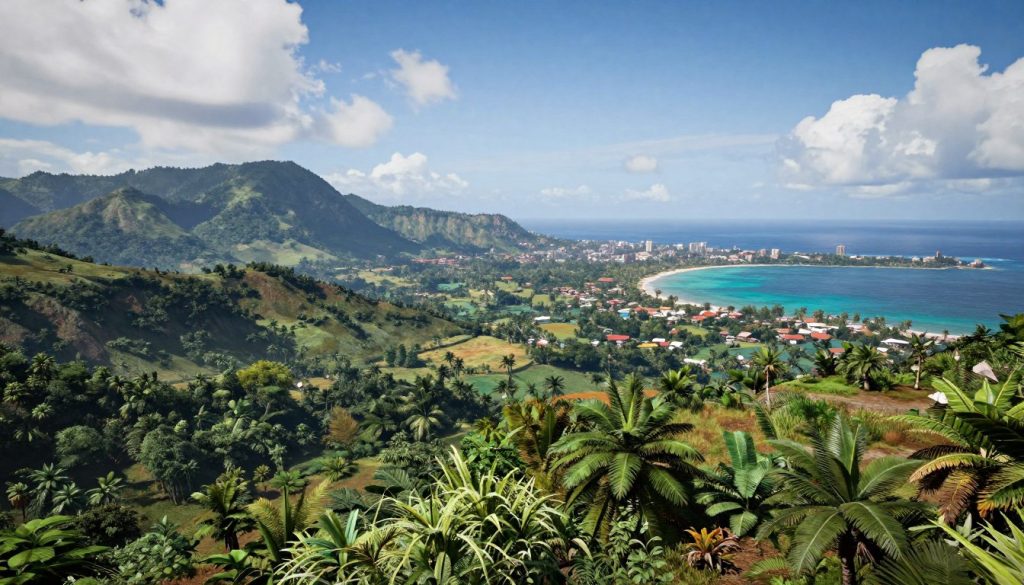
Yara stands as one of the most visually striking and diverse environments in the Far Cry series to date. This fictional Caribbean island nation is a stunning blend of lush jungles, pristine beaches, sprawling tobacco fields, and the urban sprawl of its capital city, Esperanza. The world feels alive with activity – wildlife roams freely, civilians go about their daily routines, and military patrols create constant tension throughout the landscape.
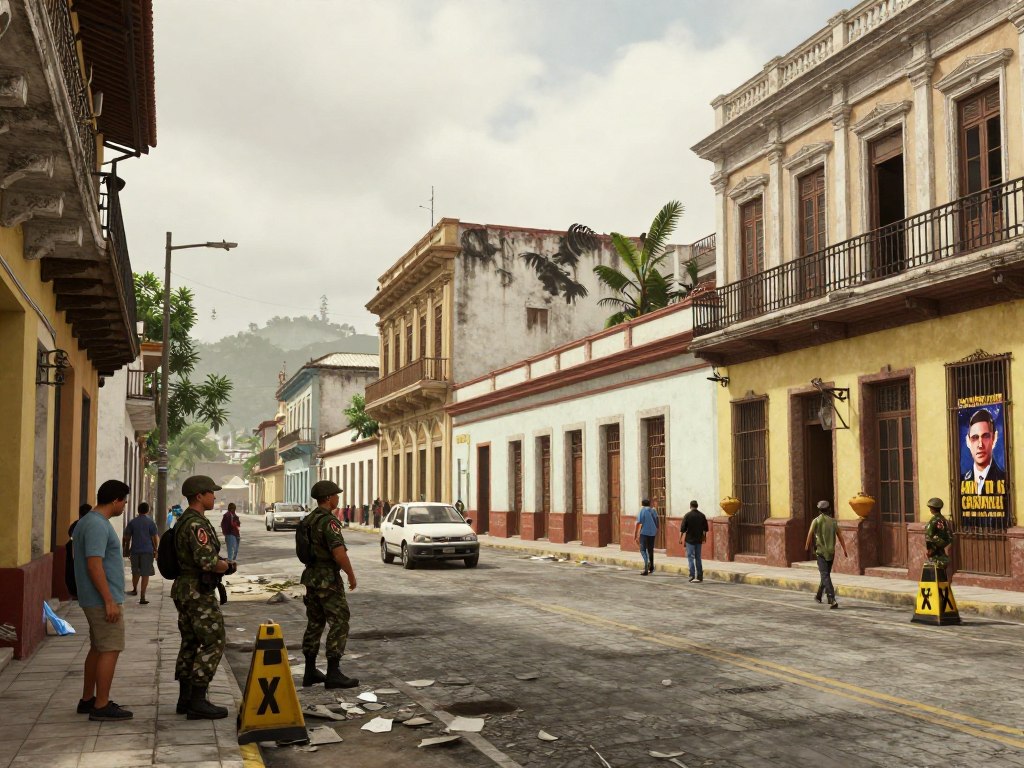
Esperanza itself represents the series’ most ambitious urban environment yet, though it doesn’t quite deliver on its full potential. While visually impressive with its colonial architecture and winding streets, much of the city remains inaccessible, with many areas blocked off by invisible walls or checkpoints. This feels like a missed opportunity, especially when the marketing promised a fully explorable urban playground.
The map is impressively large, perhaps the biggest in the series, but Ubisoft has managed to avoid the pitfall of creating empty space. Each region has its own distinct visual identity and environmental challenges. From the tobacco fields of Valle De Oro to the fishing villages of Costa Del Mar, there’s a remarkable variety in both aesthetics and gameplay opportunities across Yara’s provinces.
Story, Characters, and Narrative: Revolution with Heart
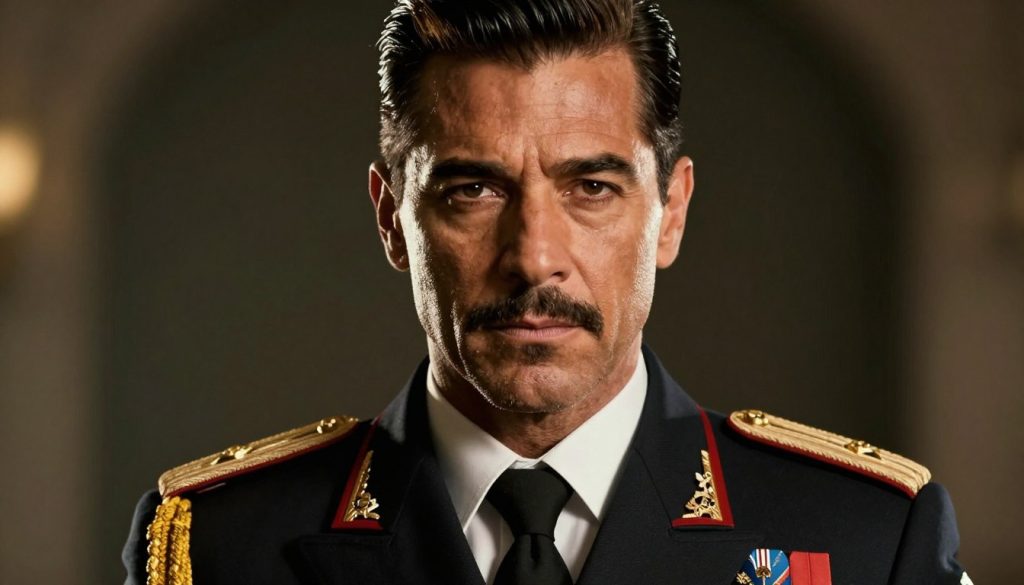
Far Cry 6 attempts to tell a more grounded political story than its predecessors, focusing on a revolution against a fascist regime. Antón Castillo, portrayed with chilling intensity by Giancarlo Esposito, is cultivating Viviro – a cancer treatment derived from tobacco plants grown using toxic chemicals and slave labor. His vision of restoring Yara to its former glory comes at a terrible human cost, setting the stage for conflict.
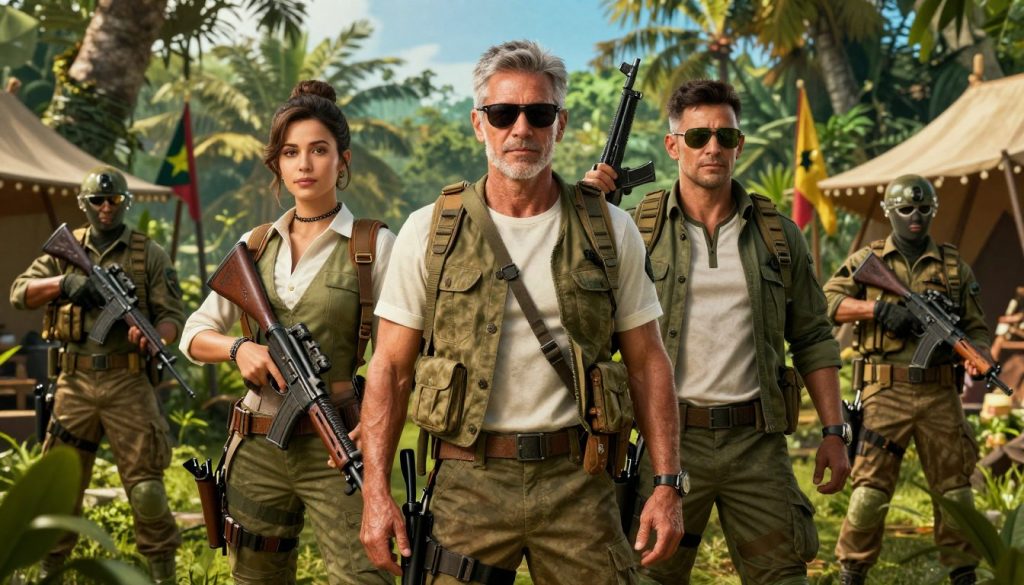
Dani Rojas (playable as either male or female) is a refreshing protagonist for the series. Unlike previous Far Cry leads who were fish out of water, Dani is a Yaran native and former military soldier with established combat skills. The decision to make Dani fully voiced and visible in third-person cutscenes adds significant depth to the character, allowing for more emotional investment in their journey from reluctant participant to revolutionary leader.
The supporting cast is colorful and diverse, from the veteran guerrilla Juan Cortez to the passionate young fighter Jonrón. Each character brings their own motivations and perspectives to the revolution, creating a multifaceted view of the conflict. The game doesn’t shy away from exploring difficult themes including LGBTQ+ rights, medical experimentation, and the human cost of revolution, though these serious topics sometimes clash awkwardly with the game’s more outlandish elements.
While Castillo is an imposing villain, he unfortunately receives limited screen time throughout the campaign. His relationship with his son Diego provides some of the game’s most compelling moments, exploring the generational impact of tyranny and the moral corruption of youth. However, the narrative sometimes struggles to balance its serious political themes with the chaotic, over-the-top action that defines the Far Cry experience.
Gameplay Mechanics & Combat: Chaos with Purpose
Far Cry 6 maintains the series’ signature first-person shooting mechanics while introducing several new systems that refresh the formula. The “Resolver” philosophy – making do with what you have – is central to both the narrative and gameplay. This manifests in a wide array of improvised weapons that range from practical to absurdly entertaining, like a CD launcher that fires discs while playing the Macarena or a backpack-mounted flamethrower.
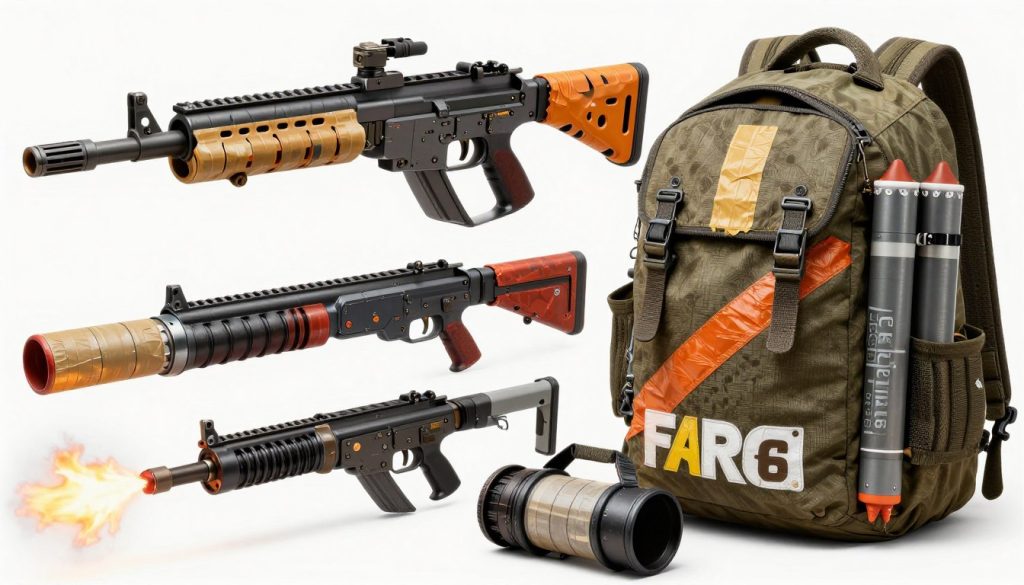
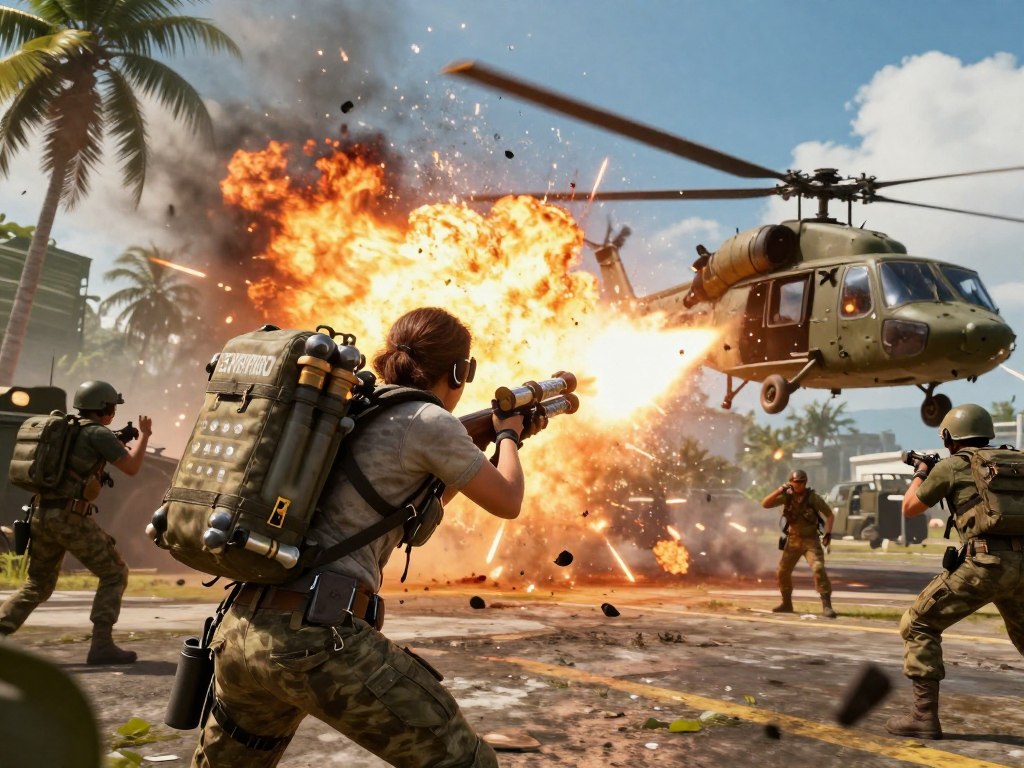
The Supremo backpacks represent the most significant addition to combat, functioning as ultimate abilities on cooldown timers. The starter Exterminador launches a barrage of rockets perfect for taking down helicopters or tanks, while others offer EMP blasts, poison clouds, or healing capabilities. These powerful tools add a new strategic layer to encounters without completely trivializing the challenge.
Gone are the skill trees of previous games, replaced by a gear-based progression system. Different clothing items provide various bonuses, from improved stealth to fire resistance. While this allows for more specialized loadouts, it can feel cumbersome to navigate menus mid-combat to change pants for a specific advantage. The system encourages experimentation but lacks the permanence and satisfaction of unlocking new skills.
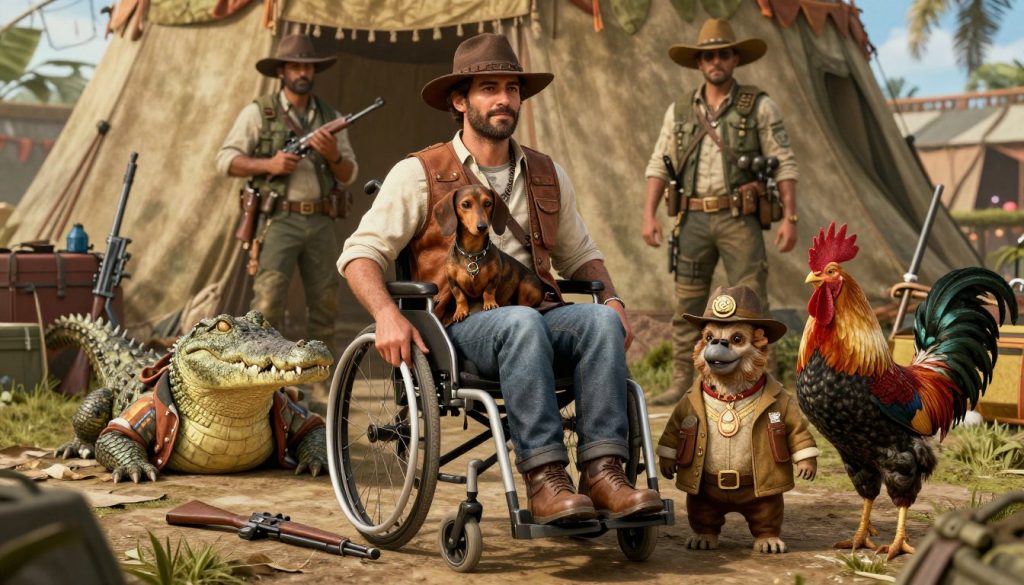
The Amigos companion system returns with an emphasis on animal allies. From Guapo the combat-ready crocodile to Chorizo the adorable wheelchair-bound dachshund who distracts enemies, these companions add both tactical advantages and emotional connection to the gameplay. Each Amigo has unique abilities that unlock as you use them, encouraging players to try different companions for different situations.
Enemy variety has improved, with specialized units like medics who revive fallen comrades, engineers who deploy turrets, and heavily armored special forces. Different ammunition types are meant to counter specific enemies – soft-target rounds for unarmored foes, armor-piercing for helmeted soldiers – though in practice, a well-placed headshot with almost any weapon remains the most efficient approach.
Freedom, Progression, and Activities: A Revolutionary Playground
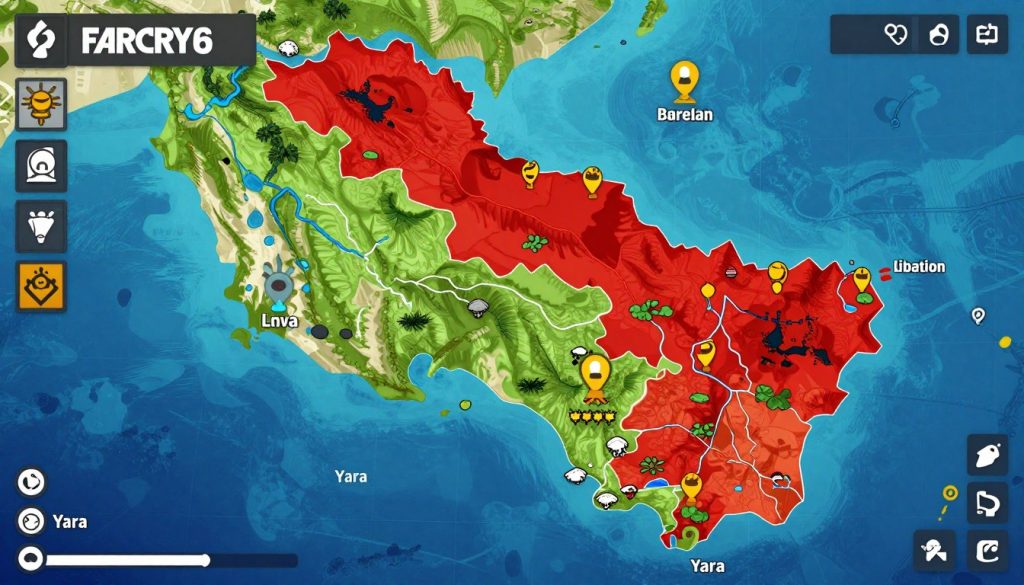
Far Cry 6 embraces the series’ sandbox nature while introducing new systems to structure the chaos. The map is divided into regions, each with its own storyline, characters, and challenges. This approach creates a more coherent progression through the world while still allowing players to tackle objectives in any order they choose after completing the initial island.
Checkpoints, military installations, and anti-aircraft sites remain staples of the Far Cry formula, providing satisfying objectives to clear across the map. The new guerrilla paths – unmarked trails that allow players to move through enemy territory undetected – add a welcome layer of strategic navigation to the world. A holstering system lets Dani blend in with civilians when weapons are put away, creating opportunities for stealth approaches that weren’t possible in previous games.
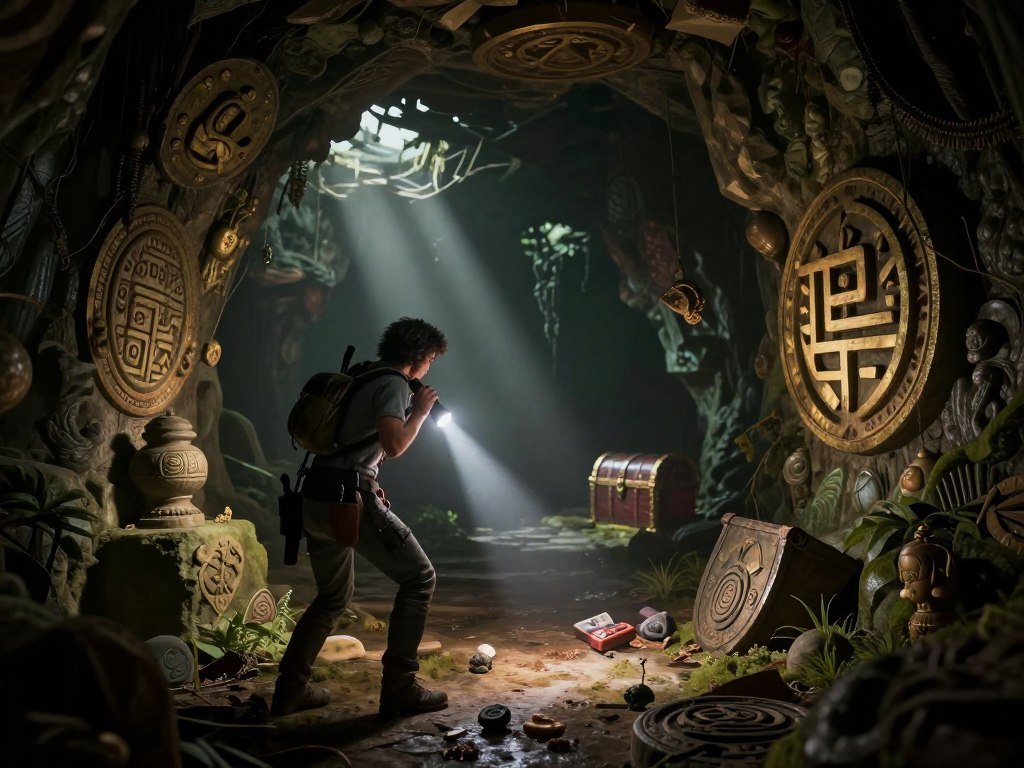
Side activities are plentiful and varied. Treasure hunts provide environmental puzzles with worthwhile gear rewards, while cockfighting (implemented as a Street Fighter-style minigame) offers a bizarre but entertaining diversion. Yaran Stories deliver more substantial side missions with unique characters and scenarios, from helping a surgeon perform an operation under fire to reclaiming a prehistoric theme park from military occupation.
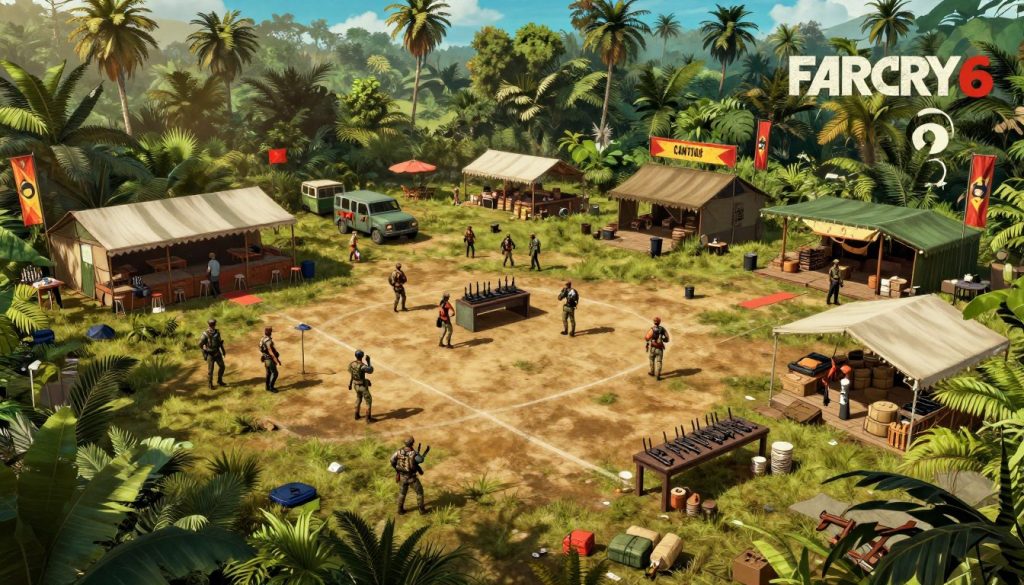
The progression system extends to guerrilla camps, which can be upgraded with facilities that provide various benefits. Building a fishing hut unlocks fishing spots and gear, while a cantina allows you to cook meals that provide temporary buffs. These upgrades create a satisfying sense of building the revolution’s infrastructure, though the benefits sometimes feel marginal compared to the resources invested.
The Insurgency system provides post-campaign content by having Castillo’s remaining forces reclaim territories, creating new targets and challenges for players who have completed the main story. This adds welcome longevity to the experience, giving players reason to return to Yara long after the credits roll.
Technical Performance & Presentation: Beauty Amid Chaos
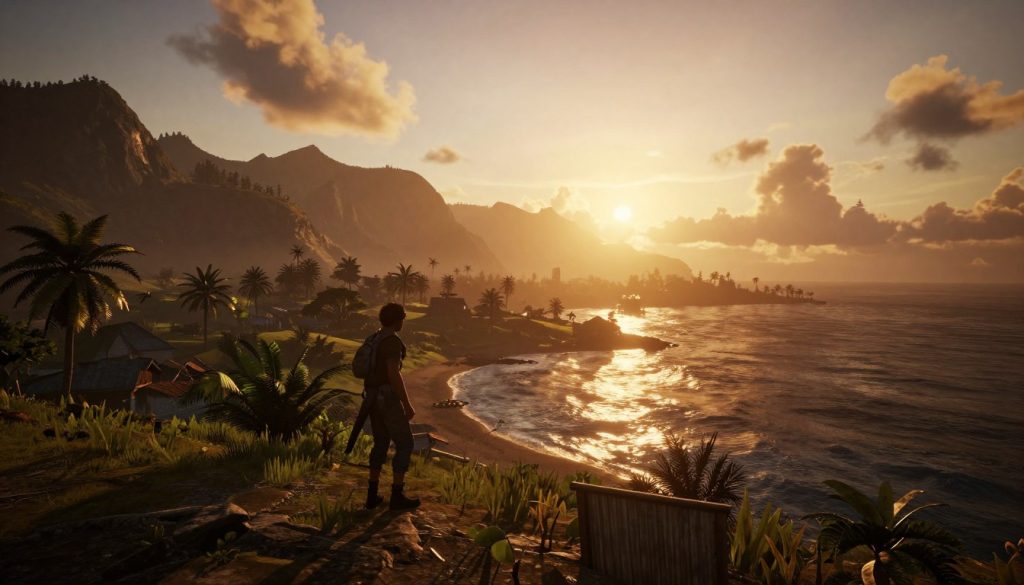
Far Cry 6 is a visually stunning game, particularly on next-generation consoles and high-end PCs. The tropical setting allows for breathtaking vistas, from sun-drenched beaches to mist-covered mountains. The lighting system deserves special mention, with gorgeous sunsets and dynamic weather creating postcard-worthy moments throughout the adventure.
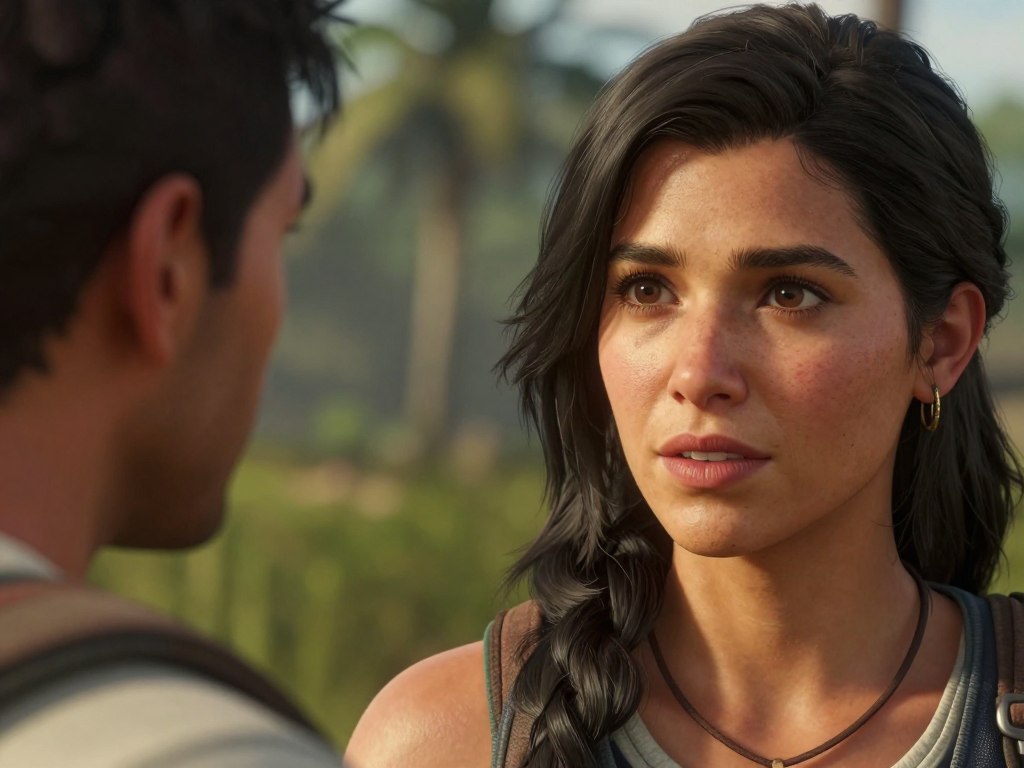
Character models and animations show significant improvement over previous entries, particularly in cutscenes. Facial animations capture subtle emotions, especially during Castillo’s menacing monologues. The decision to show Dani in third-person during cutscenes and in guerrilla camps adds personality to the protagonist and makes customization choices more meaningful.
The audio design complements the visual presentation with an immersive soundscape. The soundtrack blends traditional Caribbean music with intense combat themes, while ambient sounds bring the world to life. Dani singing along to licensed songs while driving (including hits from Ricky Martin and other Latin artists) creates unexpectedly charming moments amid the revolution.
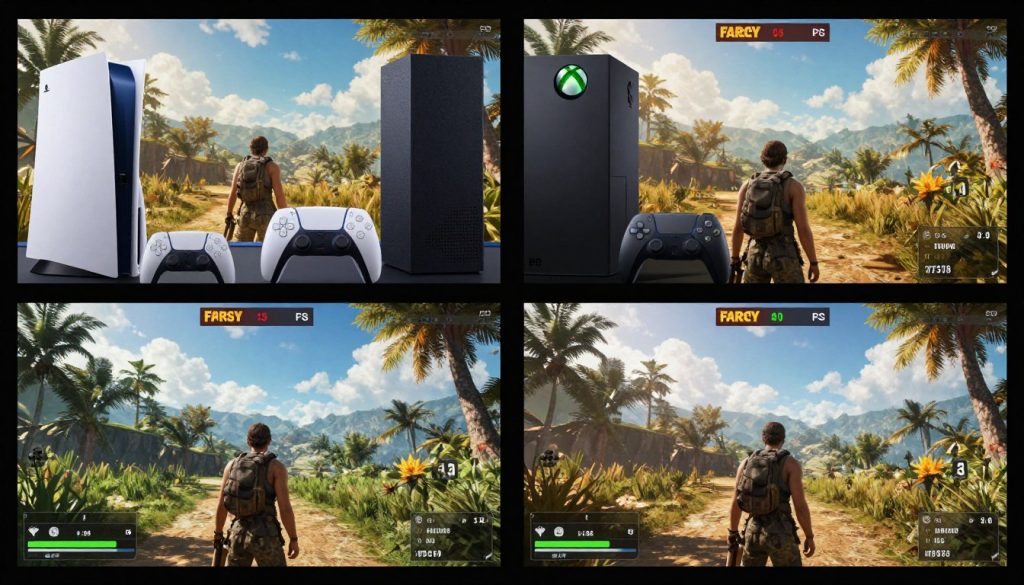
Performance varies by platform, with next-gen consoles and PC offering the smoothest experience. The PlayStation 5 and Xbox Series X versions maintain a mostly stable 60fps with occasional dips during particularly chaotic moments. Load times are impressively brief, making fast travel a viable option for traversing the large map.
Bugs and glitches, while present, are generally less prevalent than in previous Ubisoft open-world titles. Occasional AI pathfinding issues, texture pop-in, and rare crashes were encountered during review, but nothing game-breaking. A day-one patch addressed many of these issues, suggesting ongoing support will continue to improve the technical experience.
The Verdict: Pros and Cons
Pros
- Gorgeous, diverse open world with stunning visuals
- Giancarlo Esposito delivers a compelling performance as Antón Castillo
- Supremo backpacks and Resolver weapons add creative combat options
- Fully voiced protagonist with actual personality and character development
- Amigo companions are both tactically useful and emotionally engaging
- Excellent soundtrack featuring authentic Latin music
- Wealth of side content with unique and memorable missions
Cons
- Gear-based progression system feels cumbersome compared to skill trees
- Esperanza isn’t as fully explorable as marketing suggested
- Tonal whiplash between serious political themes and wacky gameplay
- Castillo doesn’t receive enough screen time throughout the campaign
- Some repetitive mission structures despite the variety of activities
- Occasional technical issues and AI inconsistencies
- Core gameplay loop remains very similar to previous Far Cry titles
Conclusion: Viva La Revolución
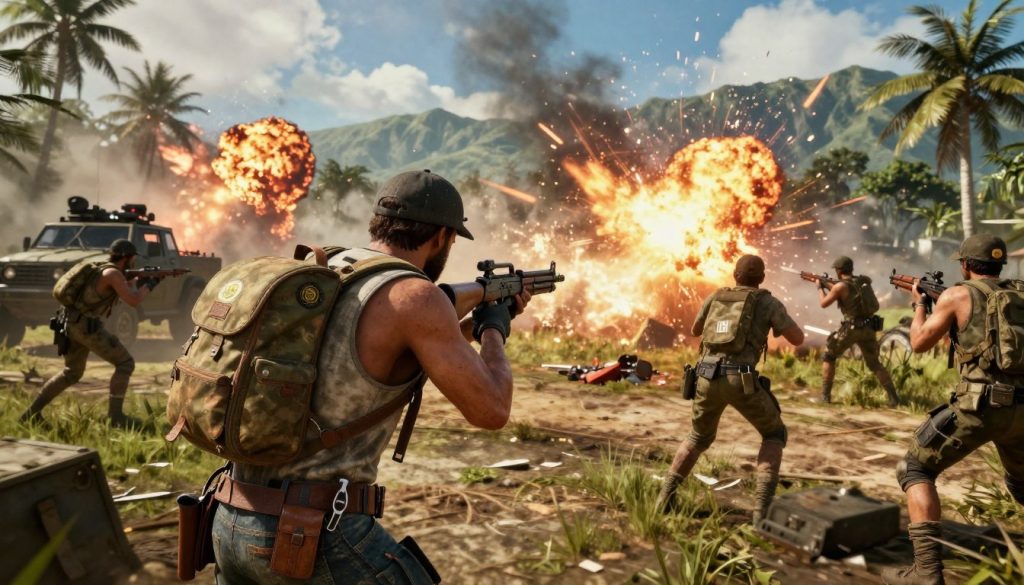
Far Cry 6 doesn’t revolutionize the series formula, but it refines and expands upon what has made these games successful for years. The stunning island of Yara provides a beautiful backdrop for the familiar chaos, while the more developed protagonist and compelling villain add emotional weight to the narrative. The new gameplay additions like Supremos and Resolver weapons inject fresh creativity into combat without fundamentally changing what Far Cry is at its core.
For longtime fans of the series, Far Cry 6 delivers exactly what you’d expect – an expansive playground of destruction with enough new toys to keep the experience feeling fresh. Newcomers will find an accessible entry point with a more coherent story than some previous installments. While the game struggles at times to reconcile its serious political themes with its more outlandish gameplay elements, the overall package offers dozens of hours of engaging, explosive entertainment.
Whether you’re liberating checkpoints with stealth precision, unleashing a rocket barrage from your Supremo in the middle of a military base, or simply cruising the countryside with Chorizo the dachshund at your side, Far Cry 6 excels at creating memorable moments of both carefully planned and completely chaotic action. It may not be the revolution the series needs, but it’s certainly a worthy evolution of the Far Cry formula.
Ready to Join the Revolution?
Experience the chaos and beauty of Yara for yourself. Far Cry 6 is available now on PlayStation 5, PlayStation 4, Xbox Series X|S, Xbox One, and PC.
Frequently Asked Questions
How long does it take to complete Far Cry 6?
The main campaign takes approximately 15-20 hours to complete if you focus solely on story missions. However, with side activities, treasure hunts, and exploration, most players can expect to spend 30-40 hours in Yara. Completionists looking to finish everything the game offers could easily invest 60+ hours.
Does Far Cry 6 have multiplayer?
Far Cry 6 features two-player co-op for the entire campaign, allowing you to play through the story and most side activities with a friend. However, unlike previous entries, it does not include a competitive multiplayer mode or the Arcade map editor.
How does Far Cry 6 perform on older consoles?
On PlayStation 4 and Xbox One, Far Cry 6 runs at 30fps with occasional drops during intense action sequences. Load times are significantly longer than on next-gen hardware, and texture quality is noticeably reduced. The core gameplay experience remains intact, but the visual presentation is compromised compared to PS5, Xbox Series X|S, and PC versions.
Is Far Cry 6 connected to previous games in the series?
While Far Cry 6 is primarily a standalone story, it does contain some subtle references to previous games. Most notably, one of the animal companions, Boom Boom, is essentially the same character as Boomer from Far Cry 5. There are also some Easter eggs and references that longtime fans will appreciate, but no knowledge of previous games is required to enjoy the story.