
The Overwatch Game Review
When Blizzard Entertainment released Overwatch in May 2016, it wasn’t just launching another first-person shooter—it was creating a phenomenon that would redefine the hero shooter genre. After spending countless hours with the game across multiple platforms and updates, I’m ready to break down exactly what makes this colorful team-based shooter tick, and whether it deserves a spot in your gaming library in 2026.
Gameplay & Mechanics: A Symphony of Teamwork
At its core, Overwatch is a 6v6 team-based shooter where players select from a diverse roster of heroes to compete in objective-based game modes. What immediately sets it apart from other shooters is its emphasis on team composition and coordination rather than pure aiming skill.
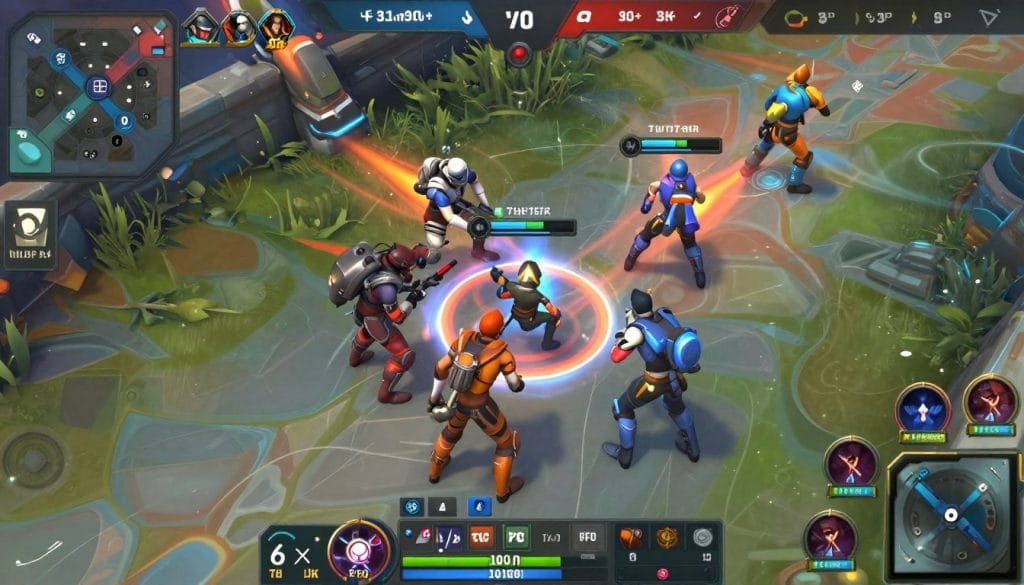
The game divides its heroes into three distinct roles, each serving a crucial function in the team dynamic:
Tank
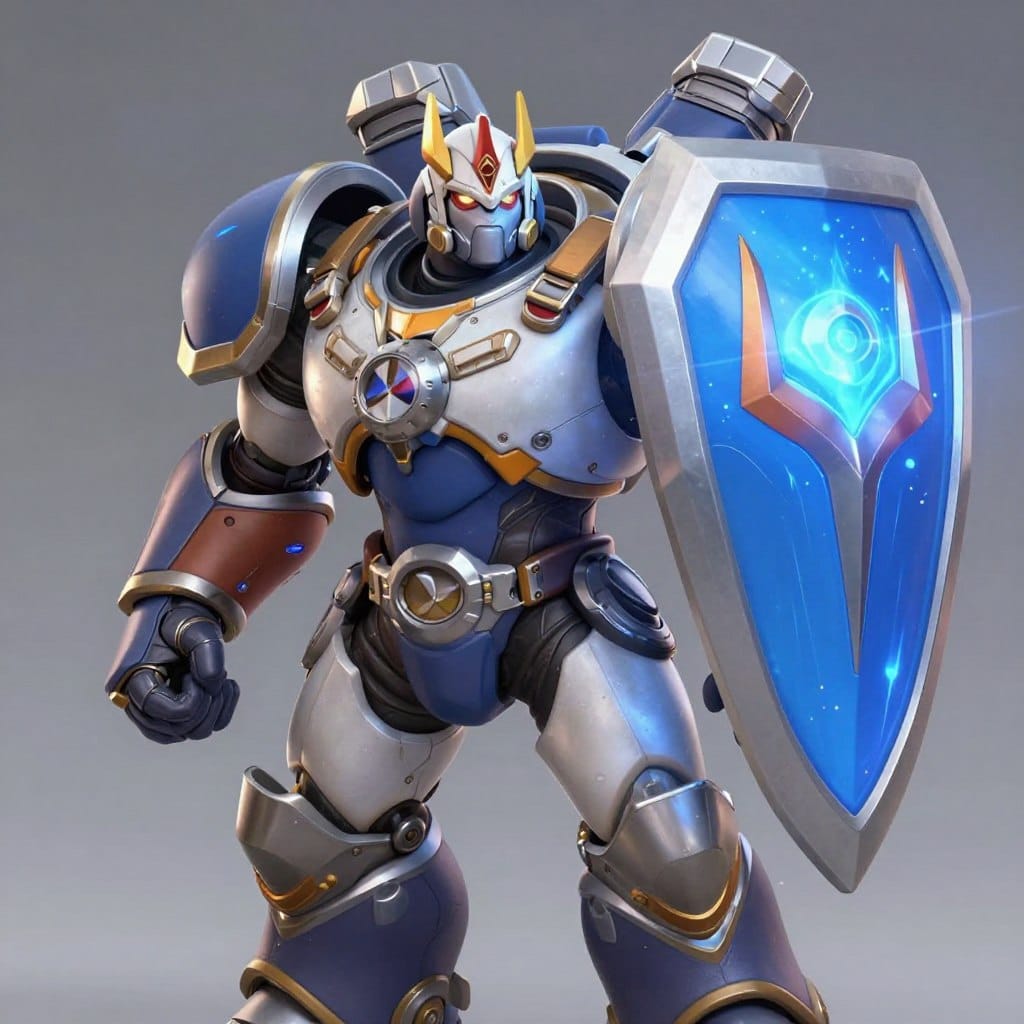
Tanks like Reinhardt and D.Va absorb damage, create space, and protect teammates with shields and defensive abilities. They lead the charge and often initiate team fights.
Damage
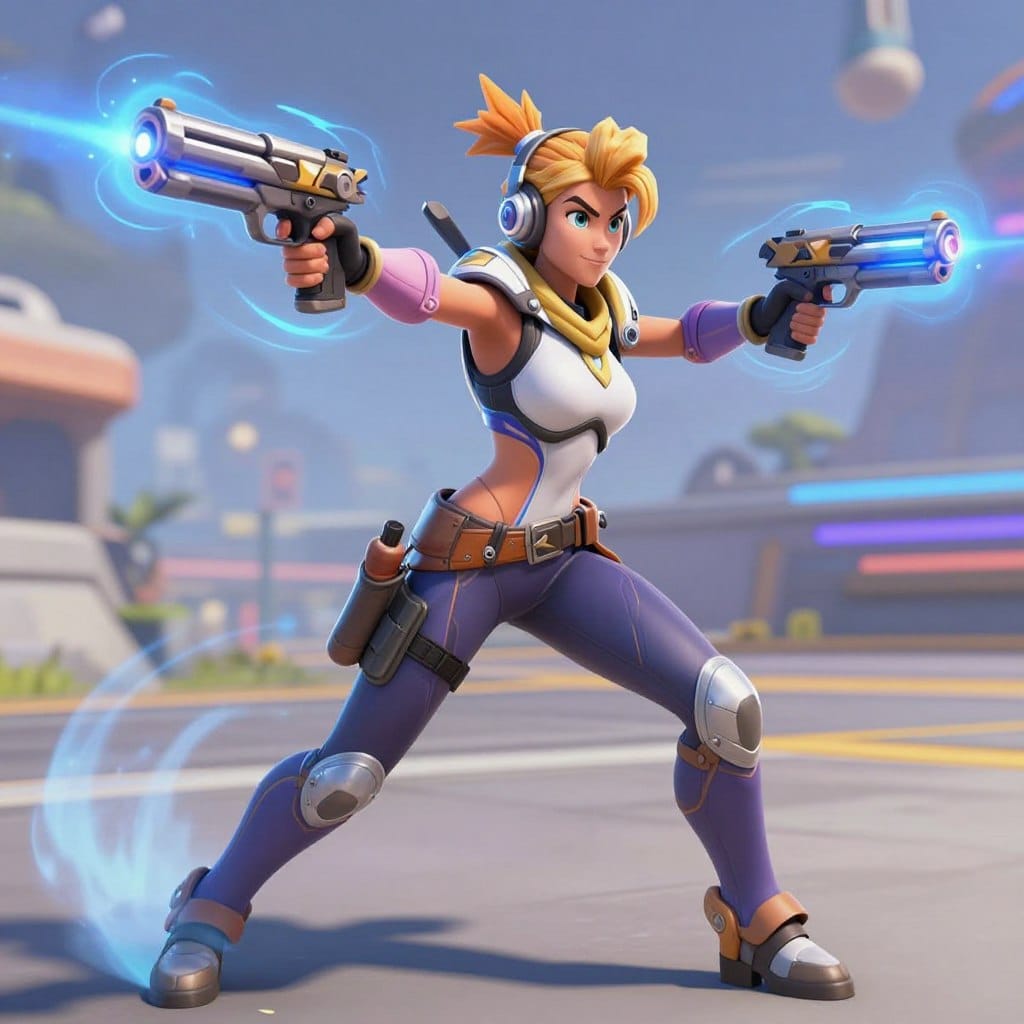
Damage heroes like Tracer and Soldier: 76 focus on eliminating enemies and applying pressure. They come in various styles from snipers to flankers to area-denial specialists.
Support
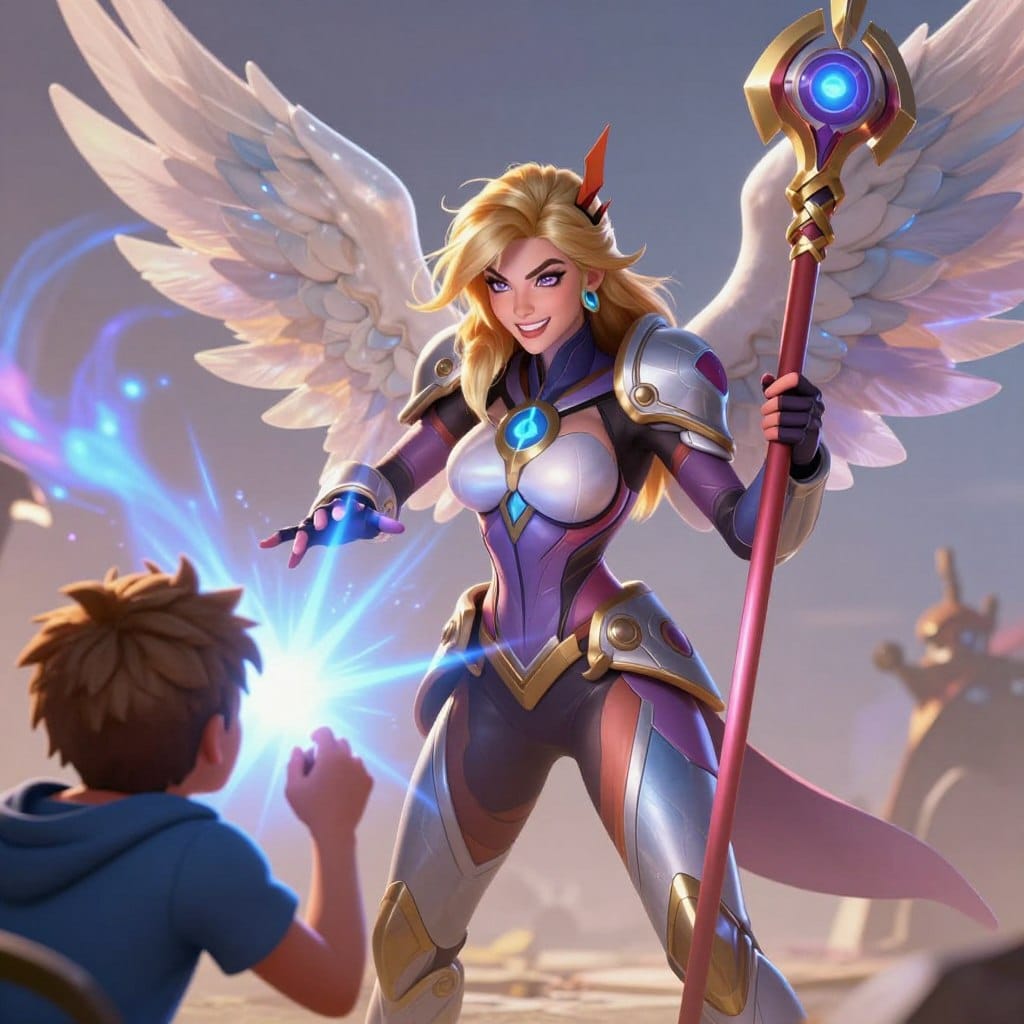
Support heroes like Mercy and Lucio keep teammates alive through healing and provide utility through buffs. They’re the backbone of any successful team composition.
Overwatch’s game modes all revolve around objectives rather than eliminations, which reinforces the team-focused nature of the game:
Escort
One team pushes a payload along a predetermined path while the other team attempts to stop them. Success requires coordinated pushes and defensive stands.
Control
Teams fight to capture and hold a single objective in a best-of-three format. These king-of-the-hill style matches create intense back-and-forth struggles.
Assault
The attacking team must capture two consecutive points while defenders try to hold them off until time expires. These maps often create memorable last-stand moments.
Hybrid
Combining elements of Assault and Escort, teams first capture a point, then escort a payload. This mode tests a team’s versatility across different objective types.
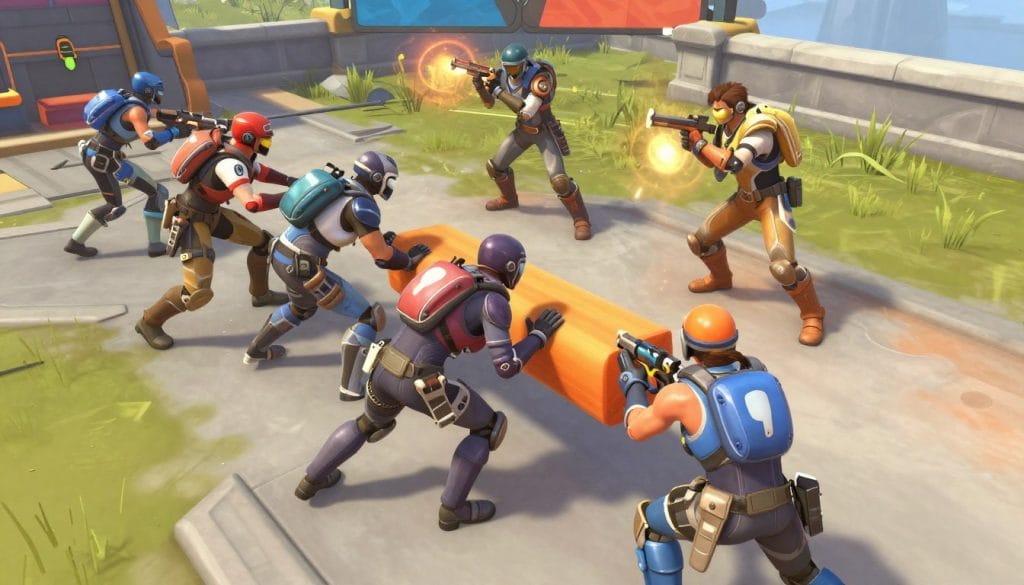
What makes Overwatch’s moment-to-moment gameplay so rewarding is how it caters to different playstyles and skill levels. Can’t aim precisely? Play Reinhardt and focus on shield management. Prefer supporting from the backline? Mercy’s healing beam doesn’t require pinpoint accuracy. This accessibility, combined with the depth of team compositions and counter-picking, creates a game that’s easy to pick up but difficult to master.
Heroes & Design: Character-Driven Excellence
Overwatch’s greatest strength lies in its hero design. With over 30 playable characters, each with unique abilities, personalities, and playstyles, the game offers unprecedented variety. What’s remarkable is how distinct each hero feels, both in gameplay mechanics and aesthetic design.
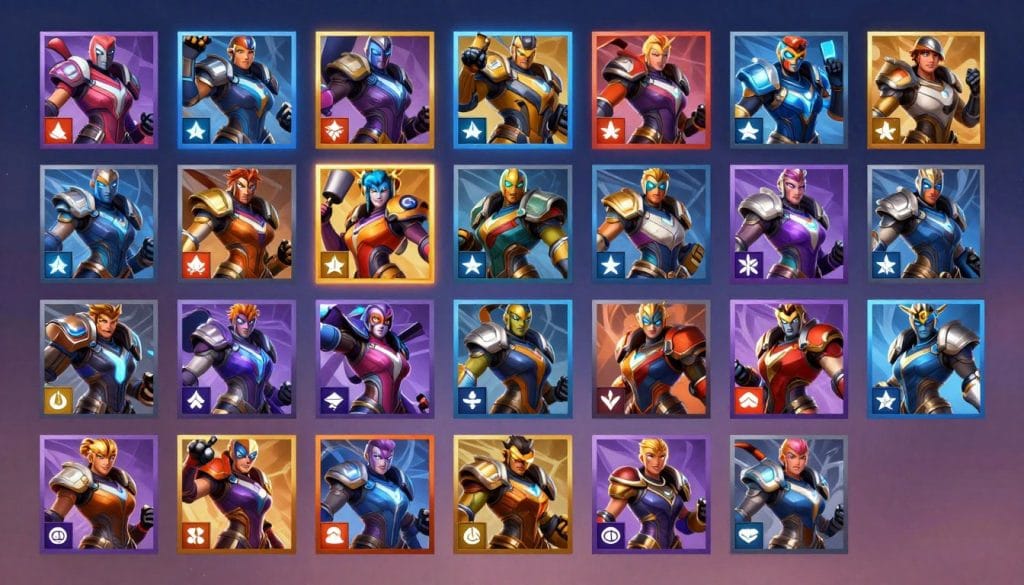
Let’s examine a few standout heroes that exemplify Overwatch’s excellent character design:
Tracer
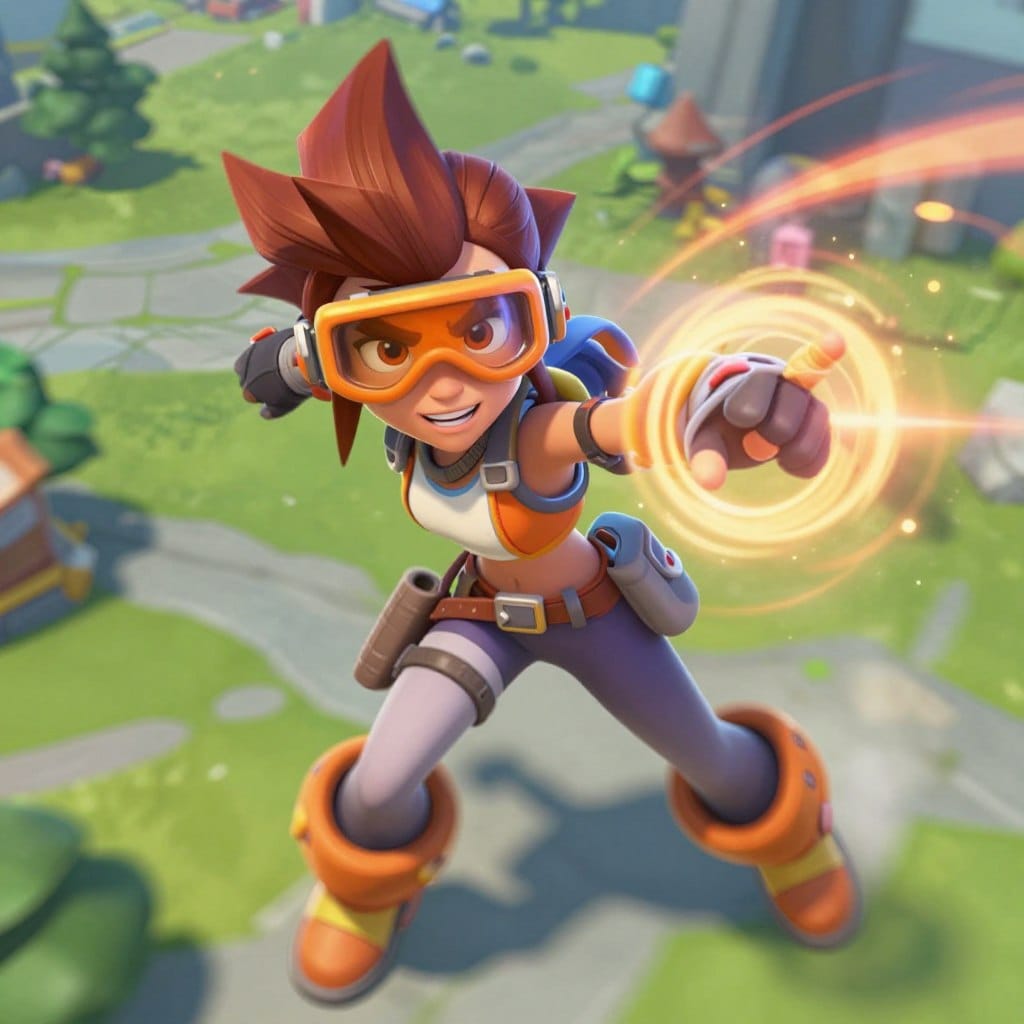
As the face of Overwatch, Tracer embodies the game’s fast-paced action. Her time-manipulation abilities (Blink and Recall) create a unique hit-and-run playstyle that feels exhilarating. Her cheerful personality and iconic catchphrases (“Cheers, love! The cavalry’s here!”) make her instantly recognizable.
Reinhardt
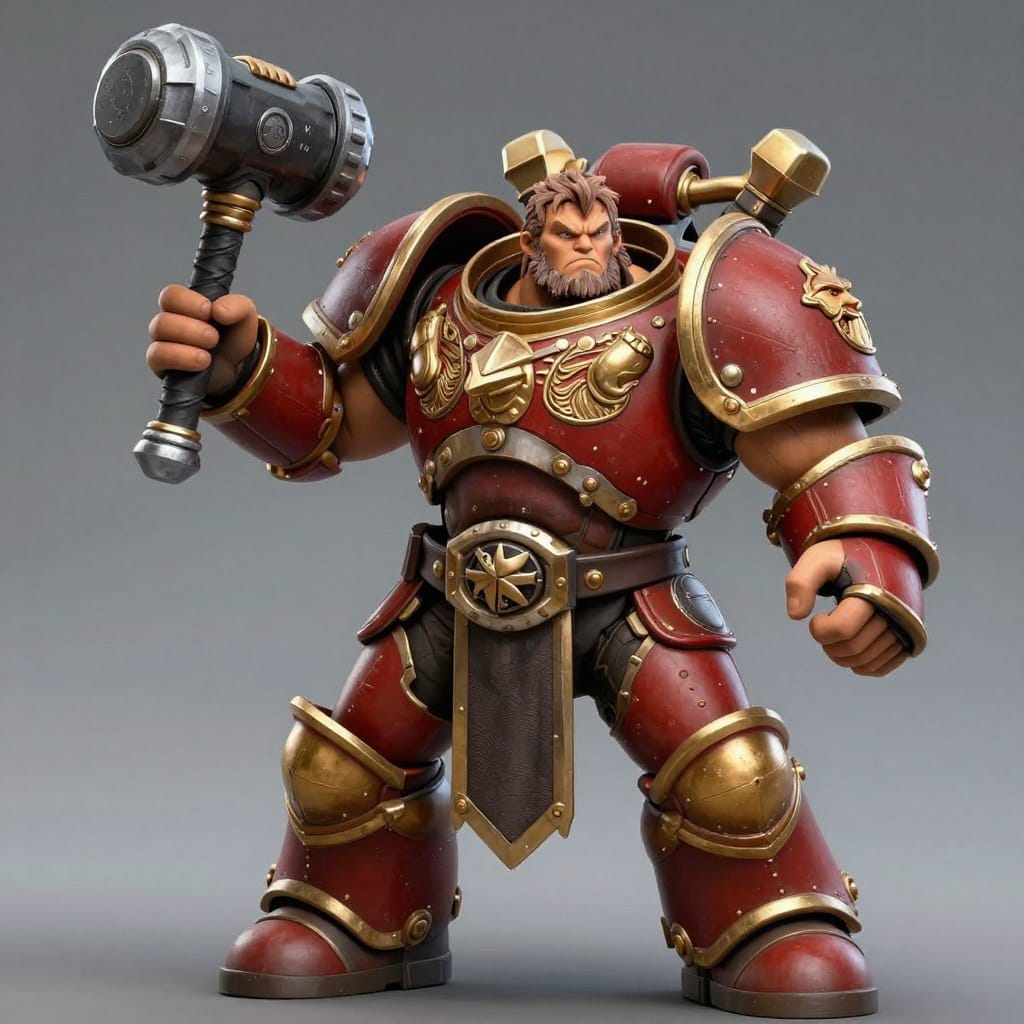
This massive, hammer-wielding tank exemplifies the protector archetype. His rectangular shield creates safe zones for teammates, while his Charge and Earthshatter abilities can turn the tide of battle. His boisterous personality and code of honor make him a fan favorite.
Zenyatta
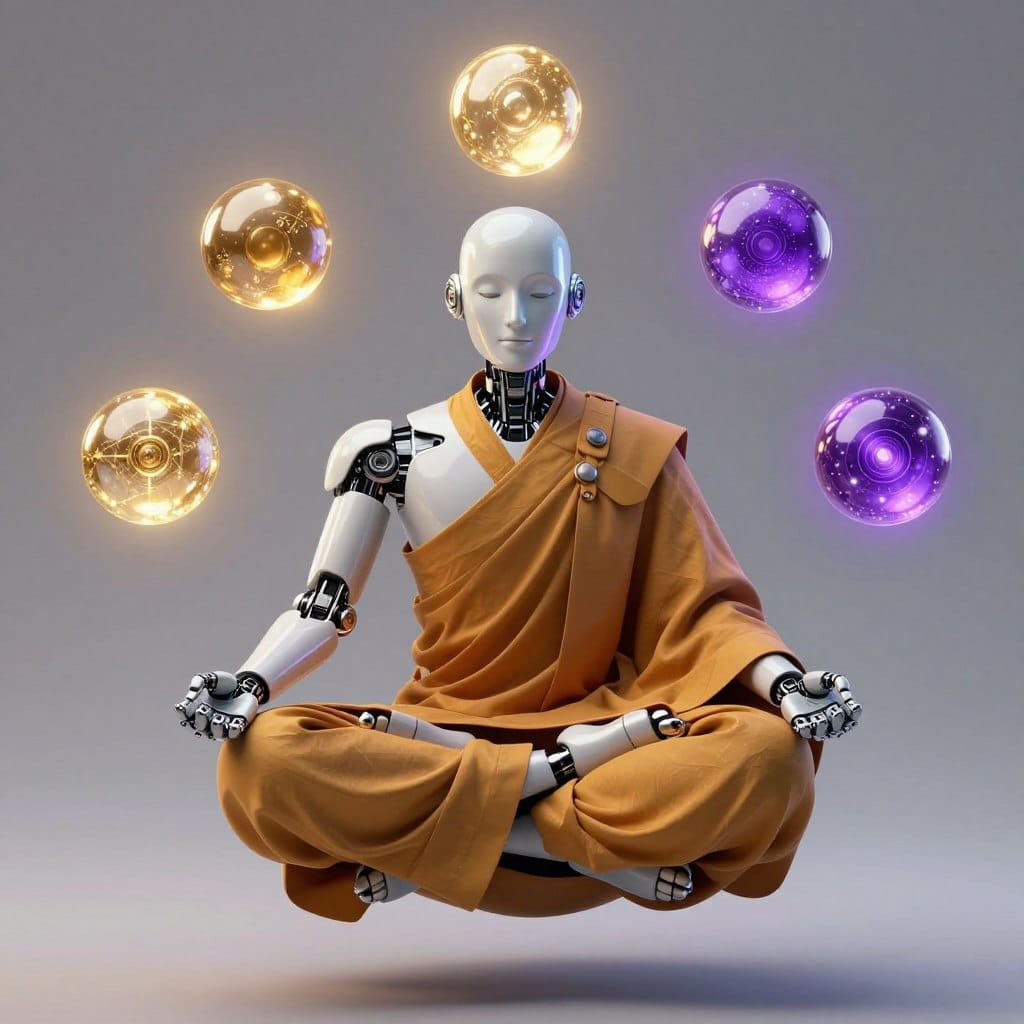
This robotic monk support hero offers a fascinating gameplay dichotomy. His Harmony and Discord orbs represent balance—healing allies while marking enemies for increased damage. His tranquil demeanor and philosophical voice lines create a character of surprising depth.
Beyond individual heroes, Overwatch excels at worldbuilding. Through animated shorts, comics, and in-game interactions, Blizzard has created a rich universe with compelling conflicts and relationships. Heroes exchange unique dialogue before matches, revealing friendships, rivalries, and shared histories. This attention to narrative detail makes players care about these characters beyond their gameplay utility.
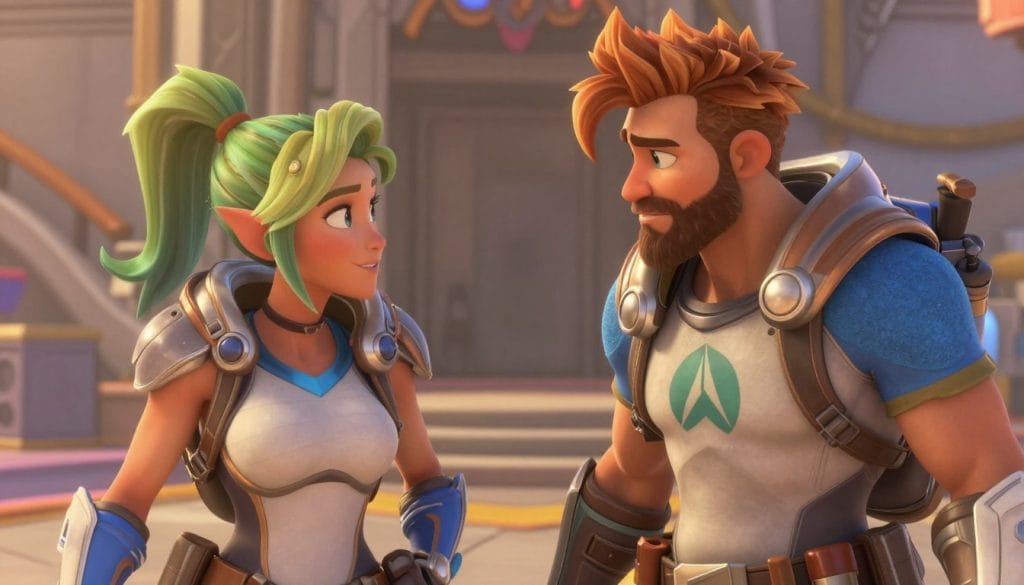
The visual design deserves special mention. Overwatch’s art style strikes a perfect balance between realism and stylization, creating instantly recognizable silhouettes and vibrant environments. This clarity serves gameplay purposes—you can immediately identify heroes at a glance—while also creating a visually striking aesthetic that stands out in the crowded shooter market.
Graphics, Sound & Presentation: Audiovisual Excellence
Overwatch’s presentation is a masterclass in clarity and style. The game employs a bright, colorful aesthetic that prioritizes readability without sacrificing visual appeal. Maps span the globe from Japanese temples to Mexican plazas, each with distinct architectural styles and cultural touches that make them feel like real places.
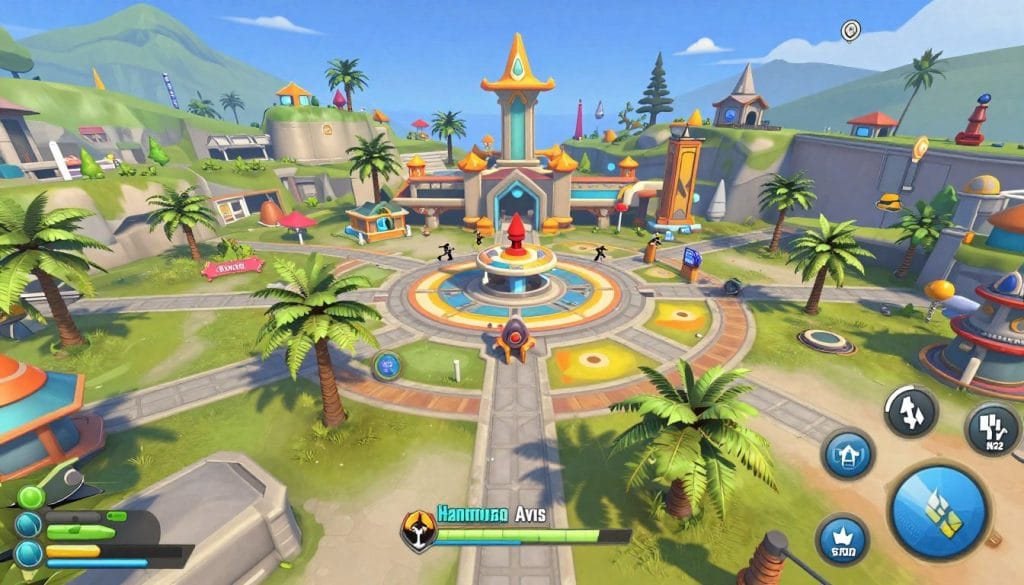
Performance is prioritized over photorealism, ensuring the game runs smoothly even on modest hardware. This accessibility has helped Overwatch maintain a healthy player base across PC and consoles. The game targets 60fps on most platforms, which is crucial for a competitive shooter where split-second reactions matter.
Sound design in Overwatch isn’t just impressive—it’s an essential gameplay element. Each hero has distinct footstep sounds, allowing attentive players to identify approaching enemies before seeing them. Ultimate abilities are announced with loud, clear voice lines that differ depending on whether they’re used by allies (“Heroes never die!”) or enemies (“Helden sterben nicht!”)—a brilliant design choice that communicates crucial information in the heat of battle.
Voice Acting
The voice performances are exceptional across the board, with actors delivering lines in their native languages where appropriate. This attention to detail adds authenticity to the international cast and reinforces the game’s global narrative.
Music
The soundtrack perfectly complements the action, from the triumphant main theme to the situational music that intensifies during overtime. Victory and defeat themes effectively punctuate the emotional highs and lows of matches.
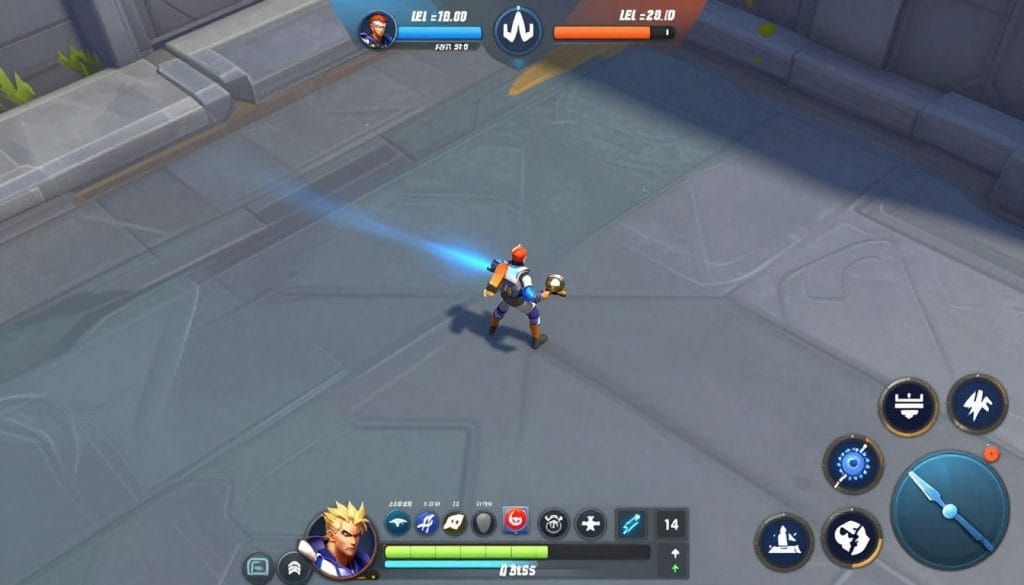
The user interface deserves praise for its minimalist approach. Essential information is clearly presented without cluttering the screen, and customization options allow players to tailor the HUD to their preferences. The kill feed, ultimate status indicators, and objective markers all communicate vital information at a glance.
Longevity & Live Service: Evolving Excellence
Since its 2016 launch, Overwatch has received consistent updates that have significantly expanded the game. Blizzard’s commitment to the live service model has kept the experience fresh through:
New Heroes
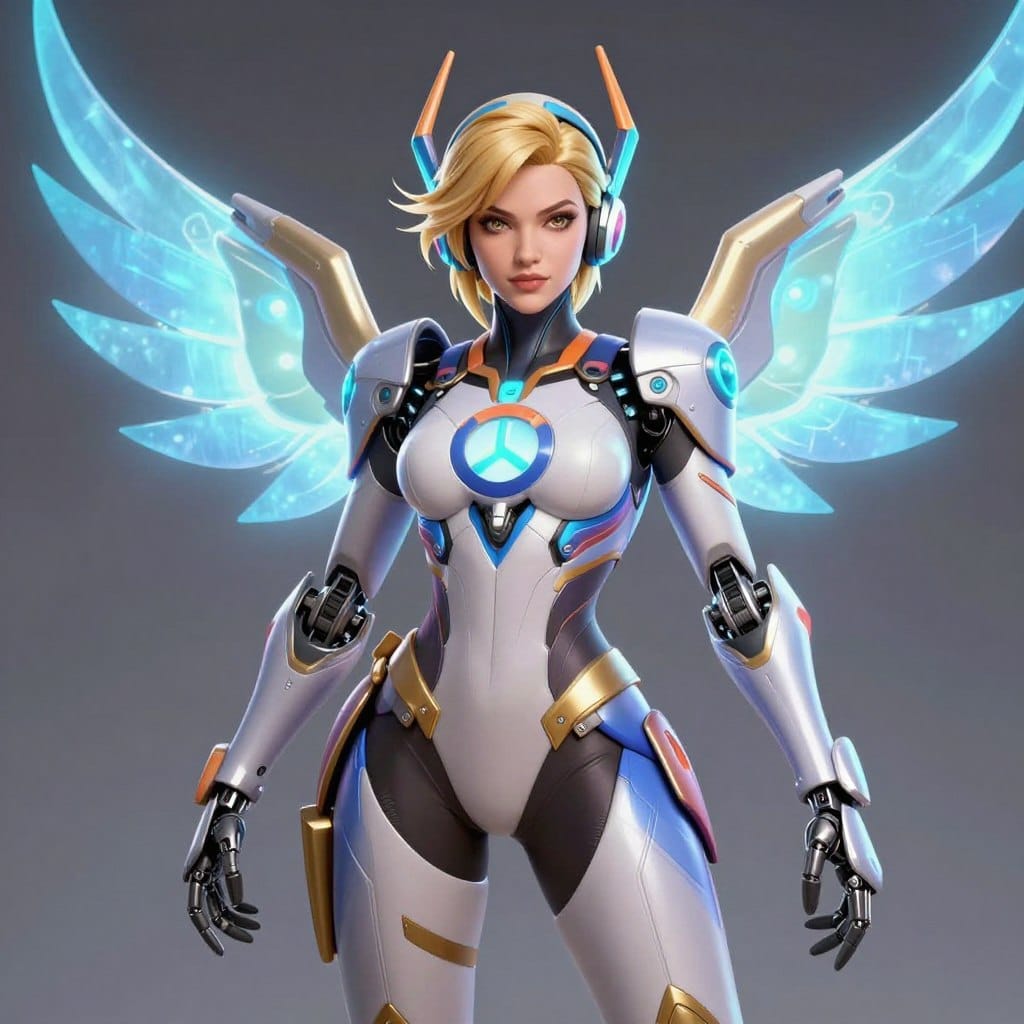
The roster has grown substantially with additions like Ana, Doomfist, and Echo, each bringing unique mechanics that expand strategic possibilities.
New Maps
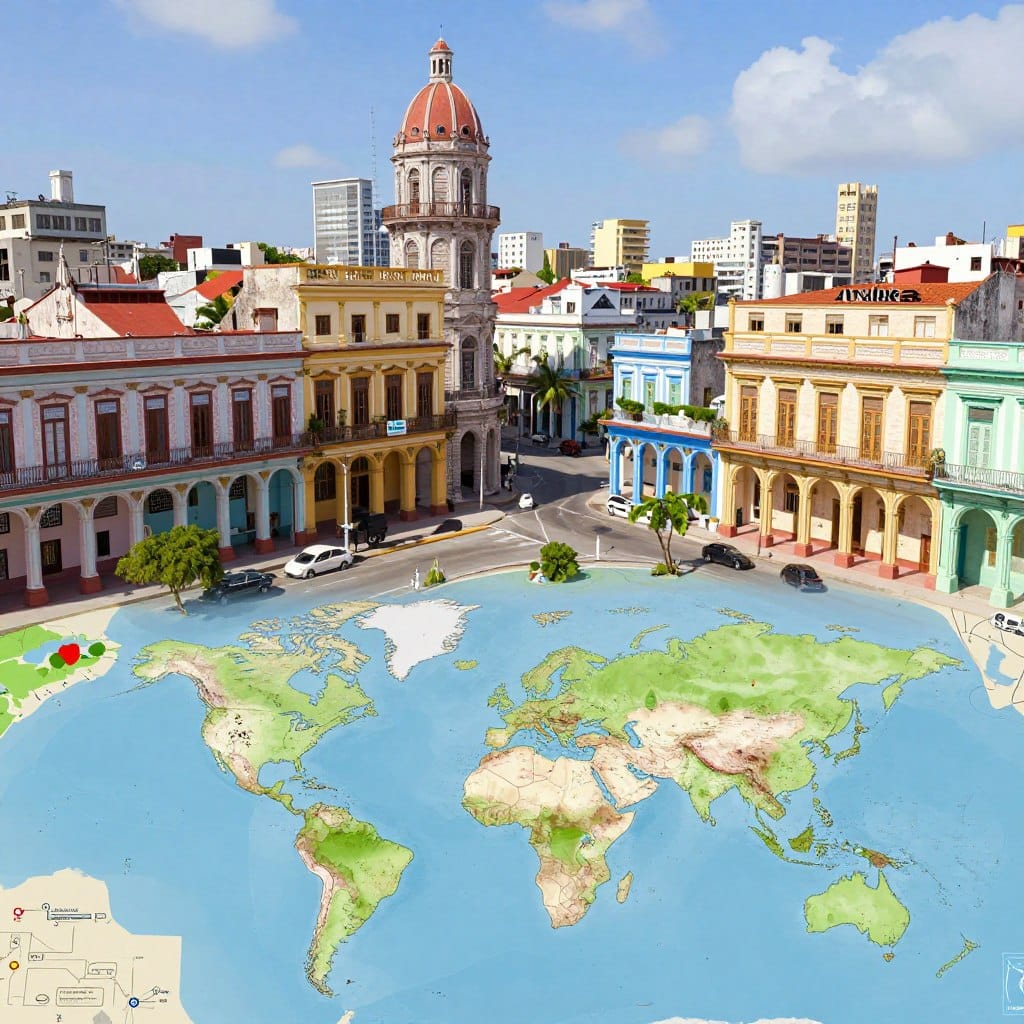
Additional locations like Busan, Havana, and Rialto have expanded the global tour, each with unique layouts and strategic considerations.
Seasonal Events
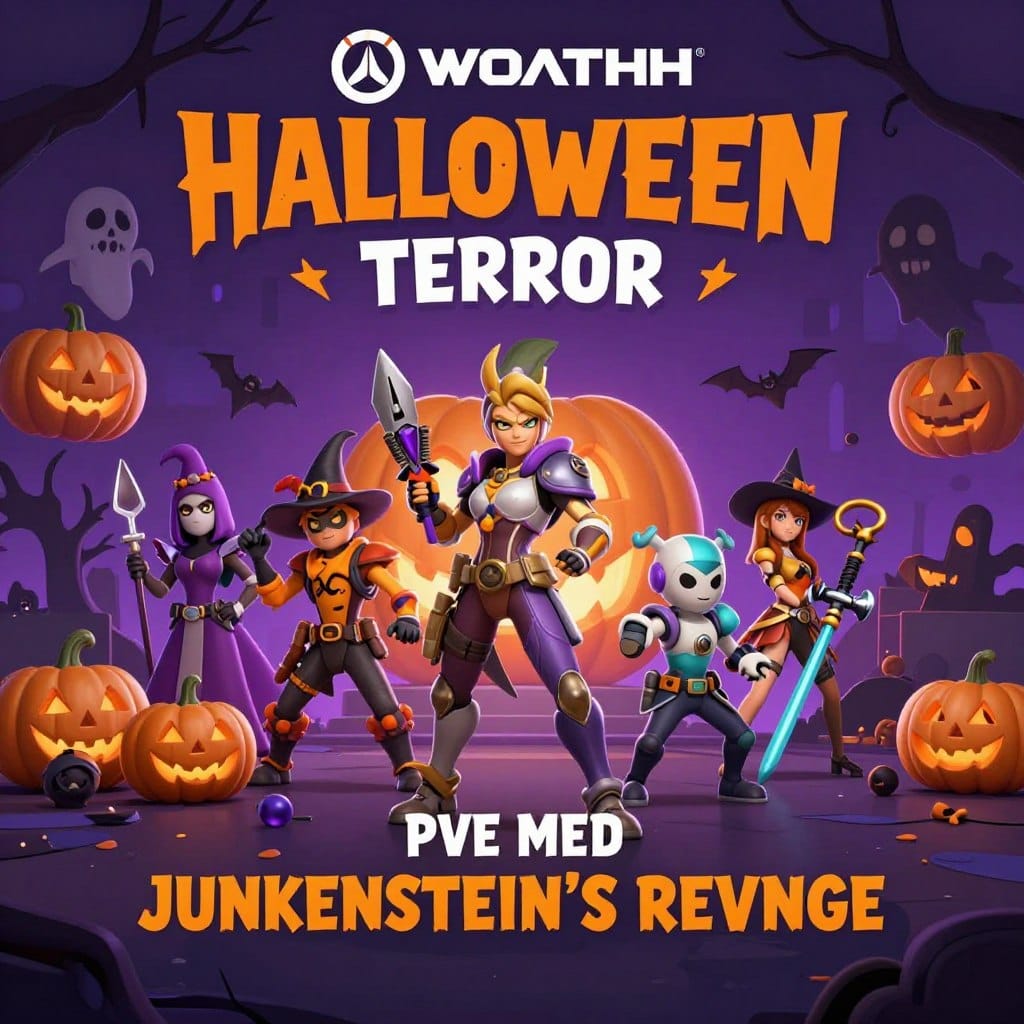
Limited-time events like Summer Games, Halloween Terror, and Lunar New Year bring themed cosmetics and special game modes that break up the standard competitive routine.
Balance patches have been a double-edged sword. While Blizzard actively addresses overpowered heroes and strategies, some changes have dramatically altered how certain characters play, occasionally frustrating dedicated mains. The introduction of role queue—which locks teams into a 2-2-2 composition of tanks, damage, and support—was particularly controversial but ultimately improved match quality by ensuring balanced team compositions.
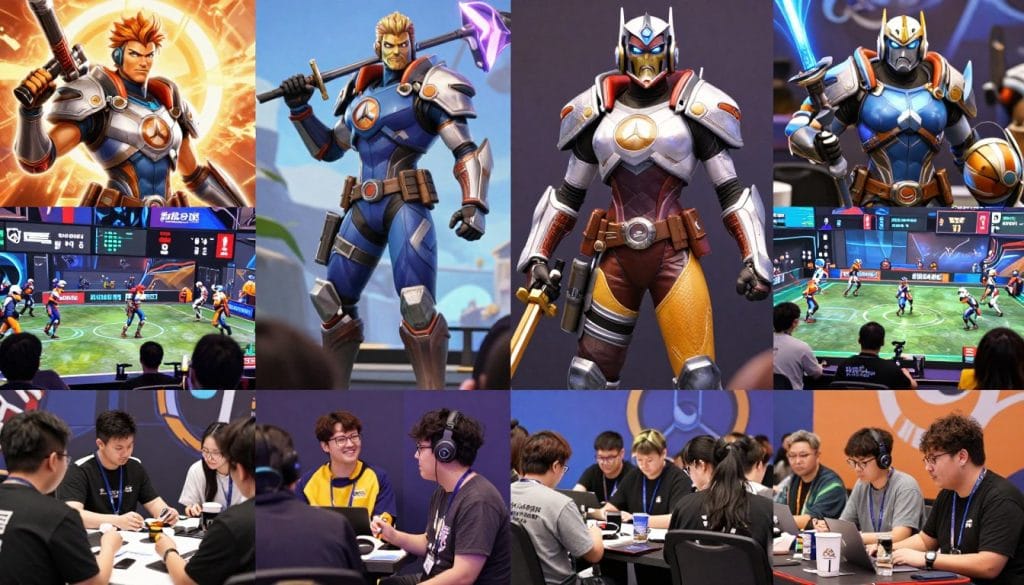
The Overwatch League, Blizzard’s ambitious esports initiative, has helped maintain interest in the game at a competitive level. With city-based teams and professional production values, it elevated Overwatch esports to new heights, though viewership has fluctuated over the years.
The community remains one of Overwatch’s strongest assets. From fan art and cosplay to workshop modes and strategy discussions, player engagement extends far beyond the game itself. This passionate community has helped sustain Overwatch through periods between major updates.
Critiques & Considerations: Not Without Flaws
Despite its many strengths, Overwatch isn’t without shortcomings that potential players should consider:
Strengths
- Diverse hero roster with unique playstyles
- Exceptional art direction and sound design
- Accessible to various skill levels
- Strong post-launch support and content updates
- Vibrant, engaged community
Weaknesses
- Team dependency can lead to frustration with uncooperative teammates
- Steep learning curve for competitive play
- Loot box system feels outdated compared to modern battle pass models
- Balance changes sometimes dramatically alter hero playstyles
- Limited PvE content (though this changes with Overwatch 2)
The team-based nature of Overwatch is both its greatest strength and most significant barrier to entry. A single uncooperative player can undermine an entire team’s efforts, leading to frustration when communication breaks down. This dependency on teamwork means solo players may have less enjoyable experiences than those who queue with friends.
The learning curve can be steep, particularly when it comes to understanding all heroes’ abilities and counters. New players often face experienced opponents who exploit this knowledge gap, which can create discouraging early experiences. The matchmaking system attempts to pair players of similar skill levels, but results vary, especially during off-peak hours.
Overwatch’s monetization model, centered around loot boxes containing cosmetic items, has become increasingly controversial as the industry moves toward more transparent systems like battle passes. While all gameplay content is available to all players, the randomized nature of loot boxes means getting specific desired skins can be frustrating without spending money.
Verdict: A Modern Classic Worth Your Time
Overwatch stands as one of the most influential and polished team shooters of the past decade. Its brilliant hero design, exceptional presentation, and focus on teamwork create an experience that remains engaging years after release. While not without flaws—particularly for solo players or those frustrated by team dependency—the game’s strengths far outweigh its weaknesses.
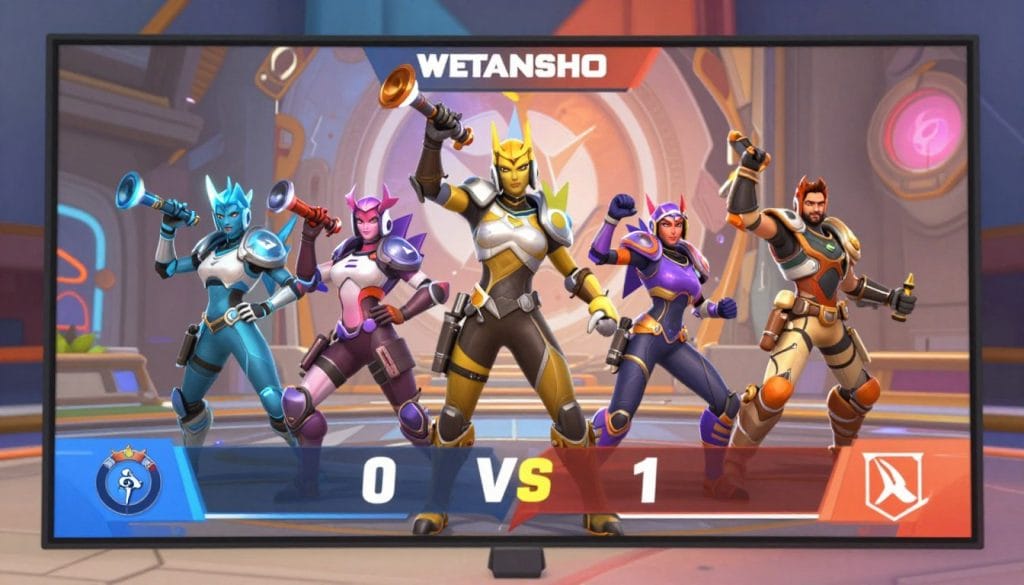
The game is particularly recommended for:
- Players who enjoy team-based gameplay and coordination
- Those who appreciate character-driven games with personality
- Gamers looking for accessibility with a high skill ceiling
- Anyone who values polished presentation and design
You might want to look elsewhere if:
- You prefer solo experiences without team dependency
- You’re seeking a realistic military shooter
- You don’t enjoy objective-based gameplay
- You’re unwilling to learn multiple heroes and strategies
With Overwatch 2 now available as a free-to-play title that builds upon the original’s foundation, there’s never been a better time to jump into this colorful, character-driven universe. Whether you’re a competitive player looking for your next challenge or a casual gamer seeking fun with friends, Overwatch offers a welcoming yet deep experience that continues to stand out in the crowded shooter landscape.
Ready to Join the Fight?
Experience Blizzard’s team-based phenomenon for yourself and discover which hero matches your playstyle.