
Squad, made by Offworld Industries, is a tough tactical shooter. Each player has a key role. Knowing your class can win or lose the game. This guide helps you master every role.
The Squad game has many combat roles. Riflemen keep ammo flowing. Medics bring teammates back into action. Marksmen hit targets from far away.
Heavy and Light Anti-Tank specialists take out enemy vehicles. Automatic Riflemen keep enemies pinned. Grenadiers clear areas with explosives. Combat Engineers and Sappers change the battlefield with mines and demolitions. Crewmen and Pilots handle vehicles and helicopters.
Choosing the right class is key. Different game modes need different teams. A team without a Medic will struggle. Knowing how to use each role is essential.
This guide goes into detail on each class. It covers gear, tactics, and how to work with your team. It’s perfect for new players or those looking to improve in a role.
Understanding Squad Class Guide 2026 Fundamentals
Before we dive into specific roles, it’s key to understand the class system’s role in every match. Each class has its own gear, abilities, and duties on the battlefield. This guide will cover the basics needed for organised play.
Core Class System Mechanics
Every class in Squad has a specific role on the battlefield. Riflemen carry extra ammo for resupply. Medics keep the team alive. Anti-tank specialists take out tanks. Automatic riflemen provide suppressive fire.
These roles work together, making it impossible for one player to do it all.
A squad that ignores class balance is a squad that loses fights it should win.
Role Distribution and Team Composition
A balanced squad usually has this mix:
| Role | Recommended Per Squad | Primary Responsibility |
|---|---|---|
| Rifleman | 2–3 | Ammunition resupply |
| Medic | 1–2 | Healing and revives |
| Anti-Tank (LAT/HAT) | 1–2 | Vehicle destruction |
| Automatic Rifleman | 1 | Suppressive fire |
| Marksman or Engineer | 0–1 | Overwatch or fortification |
This guide stresses that balance wins rounds. Too many marksmen can’t sustain a fight. Without anti-tank, armour is a big problem.
Class Selection Strategy for Different Game Modes
Game modes require different strategies:
- Advance and Secure — balanced teams with medics and riflemen.
- Invasion — defenders need engineers and heavy gunners for strongholds.
- Territory Control — mobile teams with engineers for quick flag captures.
Class synergy is as important as individual skill. Automatic riflemen help medics revive. Engineers clear the way, while marksmen watch over. This guide shows how class coordination is key for every tactical move.
Rifleman: The Backbone of Every Squad
No guide on squad team composition would miss the rifleman. This class is the heart of every team on the battlefield. While others have special gear, the rifleman keeps everyone supplied and ready to fight. Choosing this role is not a step back; it’s a key decision that keeps the team strong.
Essential Equipment and Loadout Options
The rifleman’s basic gear includes a versatile assault rifle. Players can pick between iron sights and magnified optics based on the distance they need to shoot. Fragmentation grenades clear tight spots, and smoke grenades help hide during open-ground moves.
- Assault rifle with selectable optic configurations
- Fragmentation grenades for offensive pushes
- Smoke grenades for movement cover
- Ammunition bag for team resupply
Ammunition Supply Responsibilities
The ammo bag makes the rifleman unique. Any guide will tell you: resupply wins engagements. Riflemen and other specialists use a lot of ammo. A good rifleman keeps close to these roles, dropping ammo bags when needed.
A squad without ammunition resupply is a squad on borrowed time.
Working with the squad leader for FOB resupply is key. Riflemen need to manage their ammo and the team’s needs at all times.
Supporting Fire Team Operations
In combat, riflemen support the main shooters. They provide covering fire and keep ammo flowing. Having at least two riflemen in a squad ensures operations can keep going. This role connects the frontline fighters with support classes like the medic, which we’ll explore next.
Medic Class: Keeping Your Team Combat-Effective
The Medic is a vital part of any team. They keep the squad fighting even when things get tough. Without a Medic, even the bravest fighters can fall under attack.
Lifekeeper Crossbow Mechanics and Healing Priorities
The Medic uses the Lifekeeper Crossbow to heal teammates quickly. It’s important to keep the Medic in sight to heal them effectively. Triage order matters greatly — squad leaders get healed first, followed by heavy weapon specialists and riflemen.
Rapid Revive Techniques and Positioning
The Medic can revive teammates 50% faster. This helps the team get back into the fight quickly. Here are some key tips for the Medic:
- Stay behind frontline fighters at all times
- Deploy smoke grenades to conceal revive attempts
- Coordinate covering fire with nearby teammates before moving to a downed player
- Avoid exposing yourself to the same threat that downed your squadmate
Team Augmentation Perks and Support Strategies
When revived, teammates get a 25% damage resistance buff for 10 seconds. This helps them stay safe and get back into the fight. The Medic becomes even more powerful in these moments.
| Healing Priority | Reason | Impact on Squad |
|---|---|---|
| Squad Leader | Maintains spawn points | Critical for squad survival |
| Heavy Weapons | Anti-vehicle capability | High tactical value |
| Rifleman | Ammo resupply role | Sustains team firepower |
Learning to be a Medic is a great start. It prepares you for more advanced roles, like the Marksman, which we’ll cover next.
Marksman Role: Precision Engagement and Overwatch
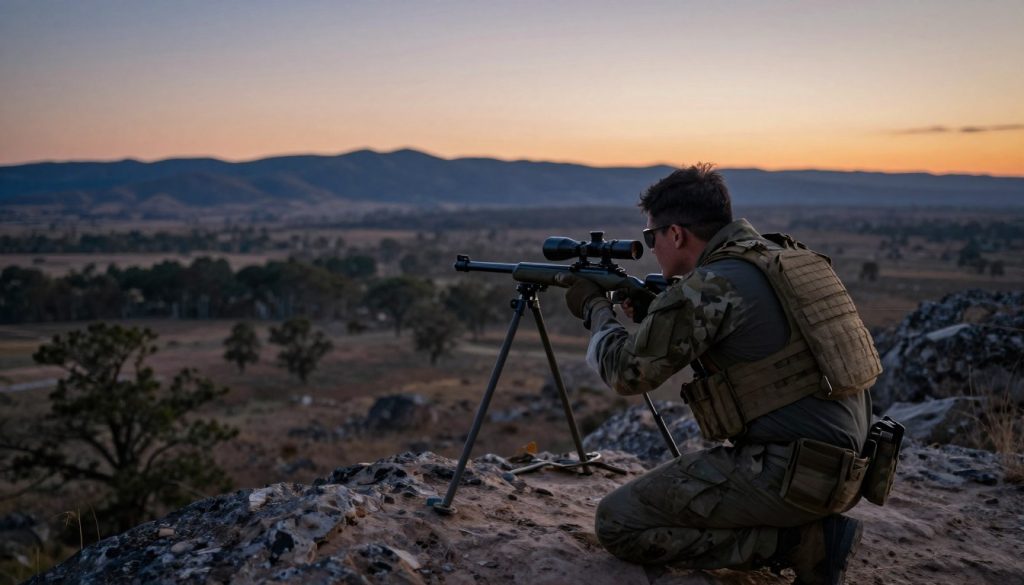
The marksman is a key role in squad game classes 2026. They focus on long-range shots and controlling areas over 100 metres. Unlike the medic, marksmen attack from a distance, taking out important targets first.
Marksmen use enhanced optics for better aiming. This helps them hit targets far away more easily. They aim to take out enemy medics, machine gunners, and leaders to weaken the enemy team.
In a detailed squad class guide 2026, we look at the marksmen’s weapons:
| Weapon Type | Fire Mode | Best Use Case | Stability Aid |
|---|---|---|---|
| Bolt-Action Sniper Rifle | Single shot | Maximum damage per round at extreme range | Bipod and rangefinder |
| Semi-Auto Designated Marksman Rifle | Semi-automatic | Sustained fire on multiple moving targets | Bipod and rangefinder |
Good marksman play is about smart positioning. Key points include:
- Find high spots for better view
- Hide from counter-snipers with natural cover
- Work with the squad leader on target priorities
- Stay close to a rifleman for ammo
The marksman role is tough on enemies who move badly. Played right, it helps teammates move forward safely. This is linked to the anti-tank and support roles we’ll discuss next.
Heavy Anti-Tank and Light Anti-Tank Specialists
Anti-tank specialists are the most feared on the battlefield. They can destroy big vehicles with just one shot. Any guide will tell you these roles need patience, precision, and smart choices. Missing a rocket can leave your team open to danger for a while.
Vehicle Identification and Engagement Ranges
It’s as important to know what to shoot as how to shoot. HAT specialists have rockets that can hit main battle tanks up to 500 metres away. LAT players use rockets for light vehicles within 300 metres.
Good target picking includes:
- Spotting armour types by shape and speed
- Targeting weak spots like the rear and turret rings
- Going for big targets like trucks that help enemy bases
Ammunition Management and Resupply Coordination
This is key: HAT players only have two rockets, so each shot is vital. LAT players have four rockets, letting them hit more targets before needing to resupply.
| Attribute | HAT Specialist | LAT Specialist |
|---|---|---|
| Rocket Count | 2 | 4 |
| Effective Range | Up to 500m | Up to 300m |
| Primary Targets | MBTs, IFVs | APCs, Logistics |
| Resupply Method | Rifleman bag or FOB | Rifleman bag or FOB |
Both roles need riflemen to bring ammo between FOB visits. Good communication with your team is key.
Positioning for Maximum Effectiveness
Flanking is key, as any guide will say. AT players should sneak up to hit vehicles from the sides or rear. Being up high lets you attack thinner armour. Always plan your escape before firing to avoid being hit back.
Automatic Rifleman and Grenadier Support Roles
Every squad player class overview highlights two fire support roles: the Automatic Rifleman and the Grenadier. These classes are key to effective squad team composition strategies. They provide the firepower and indirect fire needed to seize or hold ground.
Suppressive Fire Tactics and Squad Movement
The Automatic Rifleman has a light machine gun with 100-round belts. This lets them fire bursts that pin enemies down. Suppression mechanics reduce enemy accuracy by about 40%, making them hide and miss their shots.
This gives friendly forces a chance to move forward. A burst from the Automatic Rifleman can let a whole team cross open ground safely. This role is key for aggressive movement in any squad.
- Deliver sustained fire to restrict enemy repositioning
- Coordinate with the Squad Leader to time suppression with friendly pushes
- Maintain ammunition discipline — short, controlled bursts preserve rounds for prolonged engagements
Area Denial with Grenade Launchers
The Grenadier has a 40mm launcher system. It can fire high-explosive and smoke rounds up to 400 metres. This makes the Grenadier vital for controlling chokepoints in squad team composition strategies.
Smoke rounds help hide squad movements. High-explosive rounds destroy enemy cover and punish them. Working with the Squad Leader makes the Grenadier more effective in both attacks and defenses.
| Attribute | Automatic Rifleman | Grenadier |
|---|---|---|
| Primary Weapon Type | Light Machine Gun | Assault Rifle with 40mm Launcher |
| Effective Range | 300–600 metres | Up to 400 metres (launcher) |
| Magazine Capacity | 100-round belt | 30-round magazine + grenade rounds |
| Primary Role | Suppressive fire | Indirect fire and area denial |
| Best Used For | Enabling squad movement | Breaking enemy positions and screening advances |
Combat Engineer and Sapper: Battlefield Control
When we dive into squad combat roles, the Combat Engineer and Sapper stand out. They turn the battlefield into a chessboard, deciding where enemies can and cannot go.
Combat Engineers have a powerful set of tools. They use anti-tank mines, anti-personnel mines, and C4 charges. Anti-tank mines can knock out or destroy vehicles with one blast. Anti-personnel mines guide infantry into set paths. C4 charges can blast enemy structures and bases, causing massive damage.
Sappers add a unique twist to the battlefield. Their improvised explosive devices can be set off remotely and have a bigger blast than regular explosives. They can hide their charges, making them hard to spot for enemies.
These roles are more than just blowing things up. Engineers build defences like hescos and sandbags. They also fix friendly vehicles during battles, keeping them in the fight longer.
- Work with squad leaders to set up FOB defences at key spots
- Build defensive lines around capture points
- Set up explosive traps to block enemy flanking
- Keep repair stations near where vehicles gather
| Capability | Combat Engineer | Sapper |
|---|---|---|
| Anti-Tank Mines | Yes (3 mines) | No |
| Remote Detonation | No | Yes |
| Blast Radius | Standard | Large |
| Fortification Building | Yes | Limited |
| Vehicle Repair | Yes | No |
| Concealment Options | Limited | Advanced |
Learning these roles can give your squad a big advantage. It sets the stage for the next part, where we explore vehicle and pilot operations.
Specialised Roles: Crewman and Pilot Operations
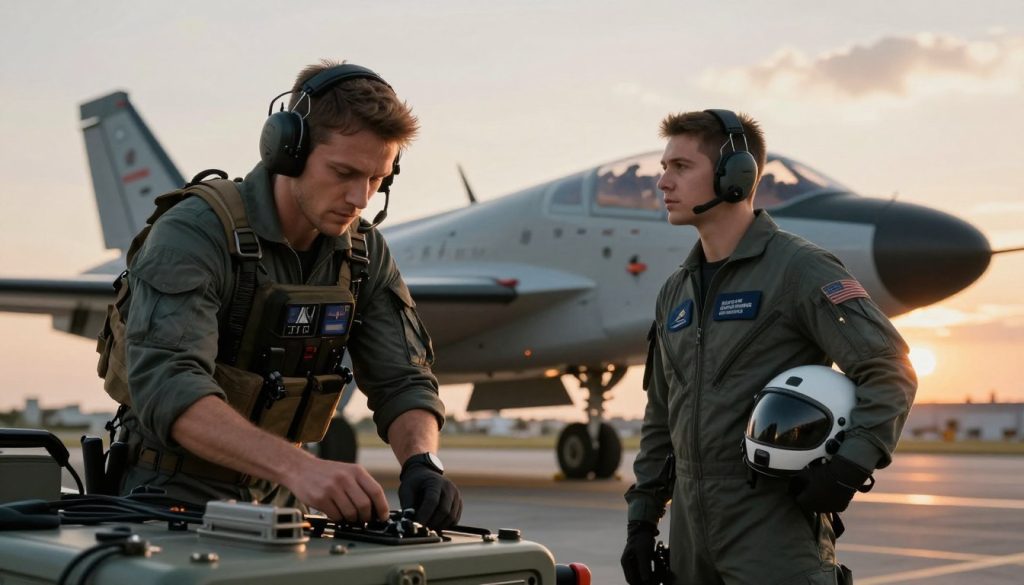
Not every contribution to the battlefield comes from being on the ground. In squad game classes 2026, Crewman and Pilot roles are inside armoured vehicles and helicopters. These roles need a special skill set, different from just shooting. Getting good at them can change the whole game.
Vehicle Combat Fundamentals
Crewmen work in main battle tanks with 120mm cannons and infantry fighting vehicles with autocannons. Each vehicle needs a team with driver, gunner, and commander roles. To play armour well, they hide as much of the vehicle as they can.
Gunners must choose between armour-piercing and high-explosive rounds based on the target.
Helicopter Transport and Support Tactics
Pilots quickly move troops to key spots, reaching them in minutes. They also bring supplies and take out wounded from danger zones. A good pilot knows the terrain, avoids anti-air threats, and keeps safe paths.
This guide says timing is key. Arriving too early or late can be a disaster for the whole team.
Coordination with Infantry Squads
Good communication between vehicle crews and squad leaders is vital. Key tasks include:
- Marking safe pickup and landing zones before arrival
- Timing helicopter insertions to match ground force pushes
- Relaying aerial reconnaissance intelligence during flights
- Requesting infantry support for bounding overwatch near armour columns
When Crewmen and Pilots work well with infantry, the team gets a big advantage. This advantage is hard to get from just one class.
Advanced Squad Tactics and Class Synergies
Winning in Squad is not just about individual skill. It’s about how each role works together. A good squad tactical classes tutorial shows how to use these synergies to stand out. It’s all about choosing the right roles for the situation.
Offensive Squad Compositions and Rush Strategies
For aggressive plays, speed and firepower are key. Two medics help keep the team fighting longer. An automatic rifleman provides fire superiority, while a LAT specialist deals with vehicles.
A combat engineer clears the way, and riflemen keep ammo flowing. This setup is perfect for quick, bold attacks.
Defensive Positioning and Fire Team Organisation
On defence, the focus is on solid fields of fire. Machine gunners block lanes, and marksmen watch from high spots. Engineers mine paths, and medics stay central for quick help.
- Machine guns covering overlapping sectors
- Marksman overwatch on long-range approaches
- Mines placed on predictable vehicle routes
- Medics positioned for rapid response
Adapting Classes to Map Types and Objectives
Every map is different, and so are the roles needed. This tutorial highlights the importance of map awareness in choosing roles.
| Terrain Type | Prioritised Roles | Reasoning |
|---|---|---|
| Urban | Combat Engineer, Medic, Grenadier | Close-quarters combat and obstacle clearing |
| Open | Marksman, Crewman, HAT | Long sight lines and vehicle dominance |
| Mixed | Balanced with Riflemen and LAT | Flexibility across changing engagements |
Using these strategies for each map type gives squads an advantage before the game starts.
Conclusion
This overview has looked at every role in the squad player class. From the essential rifleman to the specialised crewman and pilot. Each role has unique duties that affect the game’s outcome.
A rifleman keeps the team supplied with ammo. A medic keeps the team fighting. A marksman provides accurate shots from a distance. No one role can win a game alone.
Good team play comes from balanced squads. They mix offence with defence. An automatic rifleman’s fire helps engineers move forward.
A medic’s healing keeps heavy guns alive to take out tanks. This guide shows how these roles work together in Invasion, Territory Control, and more.
Choosing the right classes for each map and goal is key. Urban areas need different strategies than open fields. The most important thing is communication.
Without it, even the best class choices fail. Players who learn many roles and call out targets do better than those stuck in one way.