
15 Best Third Person Shooter Games
The third-person shooter genre represents a perfect blend of immersive storytelling and adrenaline-pumping action. With its over-the-shoulder perspective, these games offer players the dual satisfaction of seeing their character navigate beautifully crafted worlds while engaging in intense combat scenarios. From revolutionary cover systems to groundbreaking physics engines, third-person shooters have consistently pushed gaming boundaries forward.
Whether you’re a seasoned veteran of the genre or looking to dive in for the first time, our comprehensive ranking of the best third-person shooter games will guide you through the titles that have defined, refined, and revolutionized this beloved gaming category. We’ve considered gameplay mechanics, narrative strength, technical innovation, and lasting cultural impact to bring you the definitive list of must-play experiences.
How We Selected These Games
Creating a definitive ranking of third-person shooters requires careful consideration of multiple factors. Our selection process evaluated each game based on five key criteria:
- Gameplay Mechanics: How satisfying, innovative, and refined is the core shooting experience?
- Narrative Quality: Does the story complement the action in meaningful ways?
- Technical Achievement: How well did the game push technical boundaries at release?
- Genre Influence: Did the game introduce innovations that influenced future titles?
- Lasting Appeal: Does the game remain enjoyable despite the passage of time?
With these criteria in mind, we’ve curated a list that celebrates the very best the genre has to offer, spanning multiple console generations and development philosophies.
The third-person shooter genre has evolved dramatically since its early days, producing some of gaming’s most memorable experiences
The Top 15 Third-Person Shooter Games of All Time
#1. Max Payne 2: The Fall of Max Payne (2003)
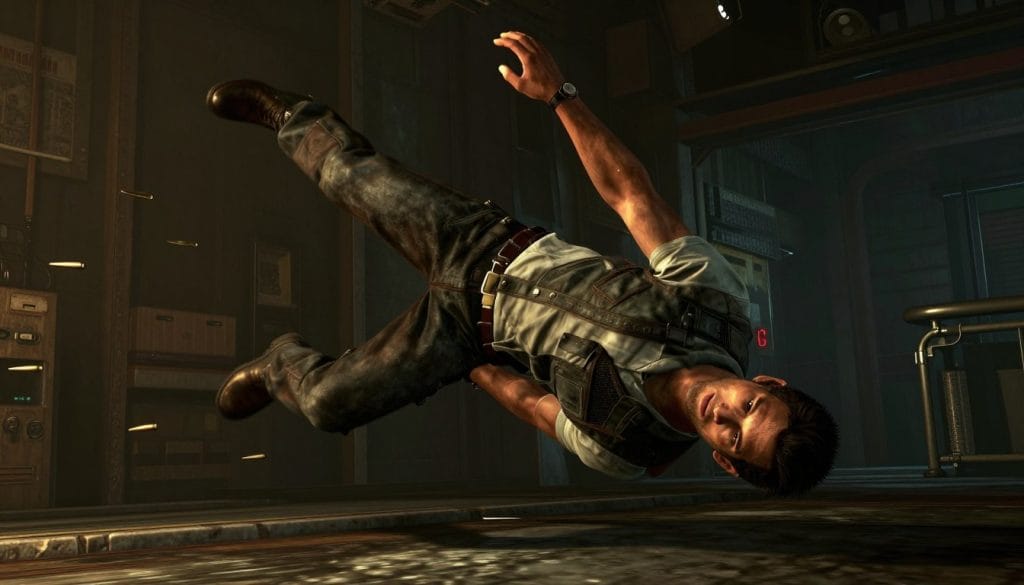
Remedy Entertainment’s noir masterpiece refined the groundbreaking bullet-time mechanics of its predecessor while delivering one of gaming’s most emotionally resonant narratives. The combination of physics-based gunplay, cinematic presentation, and haunting storytelling created an experience that remains unmatched in the genre.
Key Features:
- Revolutionary bullet-time mechanics that perfectly blend style and substance
- Havok physics engine that ensures no two gunfights play out the same way
- Noir-inspired narrative with surprising emotional depth
- Meticulously designed levels that complement the combat perfectly
#2. Gears of War 2 (2008)
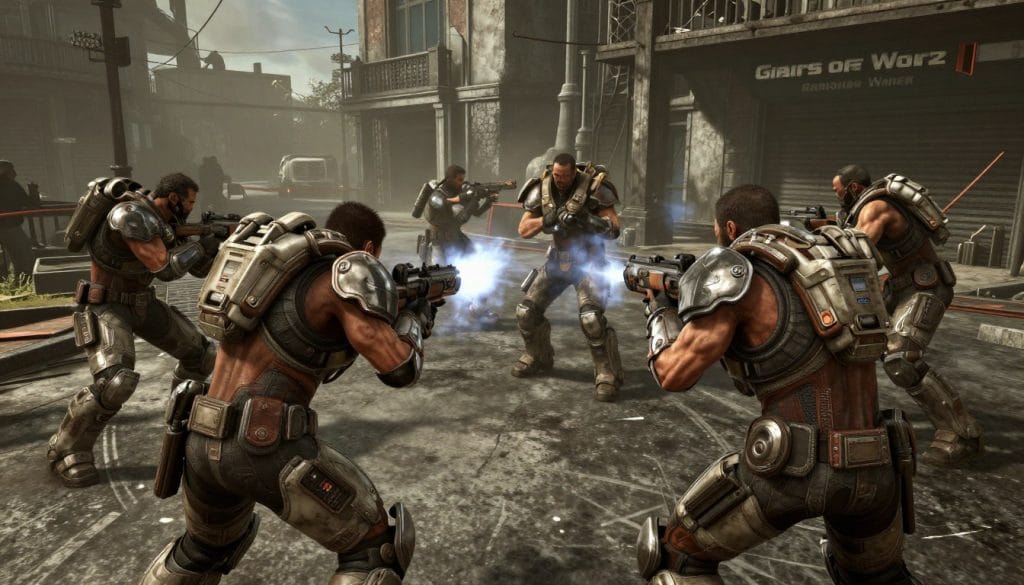
Epic Games’ sequel took everything that made the original Gears of War revolutionary and amplified it to new heights. With refined cover mechanics, more varied enemies, and the introduction of the now-iconic Horde Mode, Gears of War 2 set new standards for third-person combat while delivering a more emotionally resonant story.
Key Features:
- Perfected cover-based shooting mechanics that defined a generation
- Introduction of Horde Mode, which became a staple in countless future games
- Visceral combat with the iconic Lancer chainsaw bayonet
- Expanded scale with larger environments and more epic set pieces
#3. Resident Evil 4 (2005)
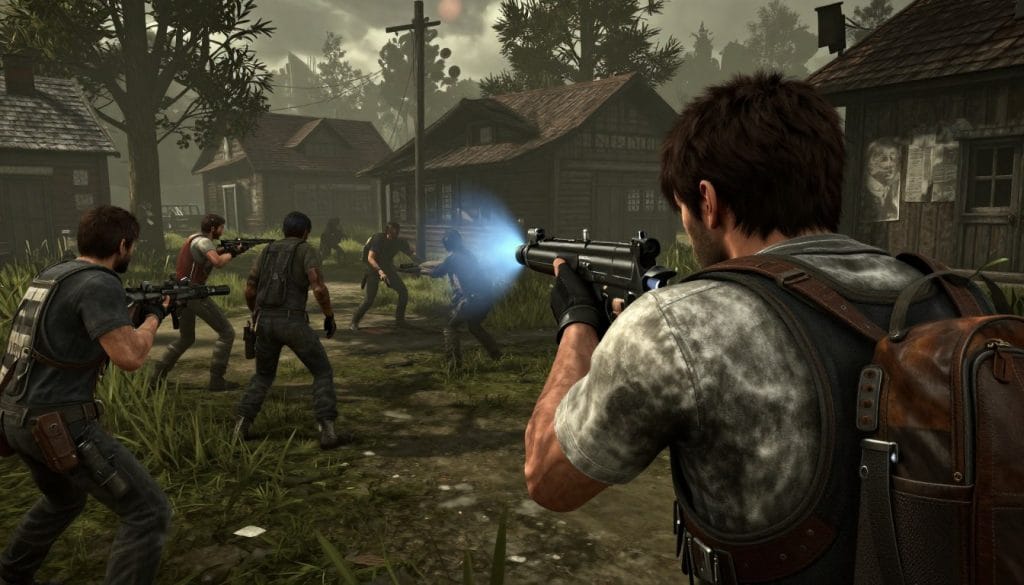
Capcom’s reinvention of the Resident Evil franchise revolutionized not just survival horror but third-person shooters as a whole. Its over-the-shoulder perspective, context-sensitive actions, and perfect balance of tension and empowerment created a blueprint that countless games would follow for years to come.
Key Features:
- Genre-defining over-the-shoulder camera perspective
- Precision aiming system with laser sight for tactical shooting
- Brilliant enemy AI that responds dynamically to player actions
- Perfect balance between horror atmosphere and action gameplay
#4. Spec Ops: The Line (2012)

Yager Development’s subversive masterpiece uses the conventions of military shooters to deliver a devastating critique of the genre itself. While its shooting mechanics are solid, it’s the psychological narrative and moral complexity that elevate Spec Ops: The Line to greatness, forcing players to confront the consequences of their virtual actions.
Key Features:
- Narrative that deconstructs military shooter tropes and player expectations
- Sand mechanics that dynamically affect combat scenarios
- Moral choice system with genuine psychological impact
- Haunting Dubai setting that serves as both backdrop and metaphor
#5. Max Payne 3 (2012)
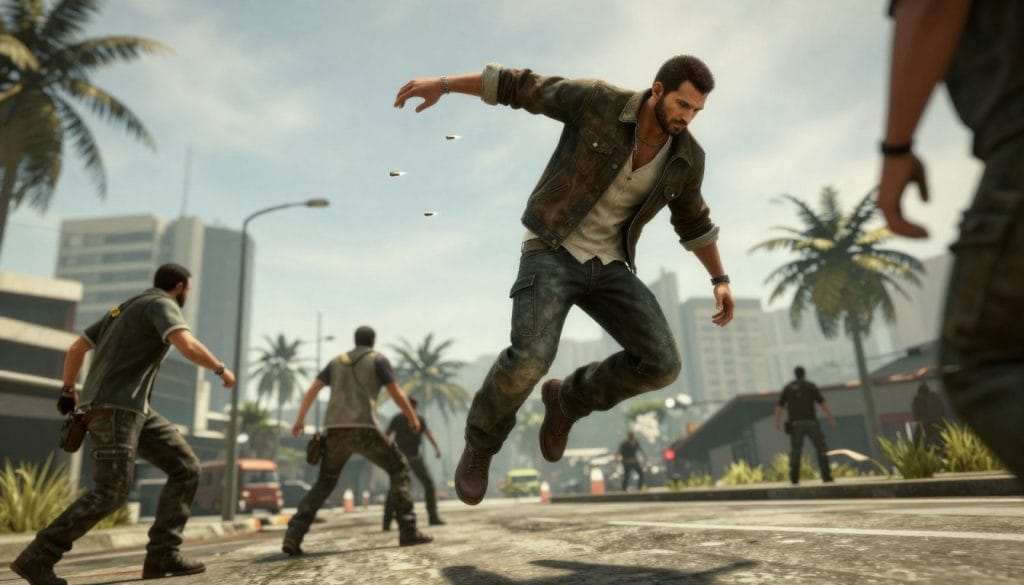
Rockstar Games took the reins of the Max Payne franchise and delivered a technical marvel that refined the series’ shooting mechanics to near perfection. With its seamless blend of gameplay and cutscenes, phenomenal animation work, and gritty narrative, Max Payne 3 represents the pinnacle of cinematic third-person shooting.
Key Features:
- Euphoria physics engine creating unparalleled animation and reaction systems
- Refined bullet-time mechanics with unprecedented weight and impact
- Seamless transitions between gameplay and cutscenes
- Sophisticated cover system that never interrupts the flow of combat
#6. Vanquish (2010)
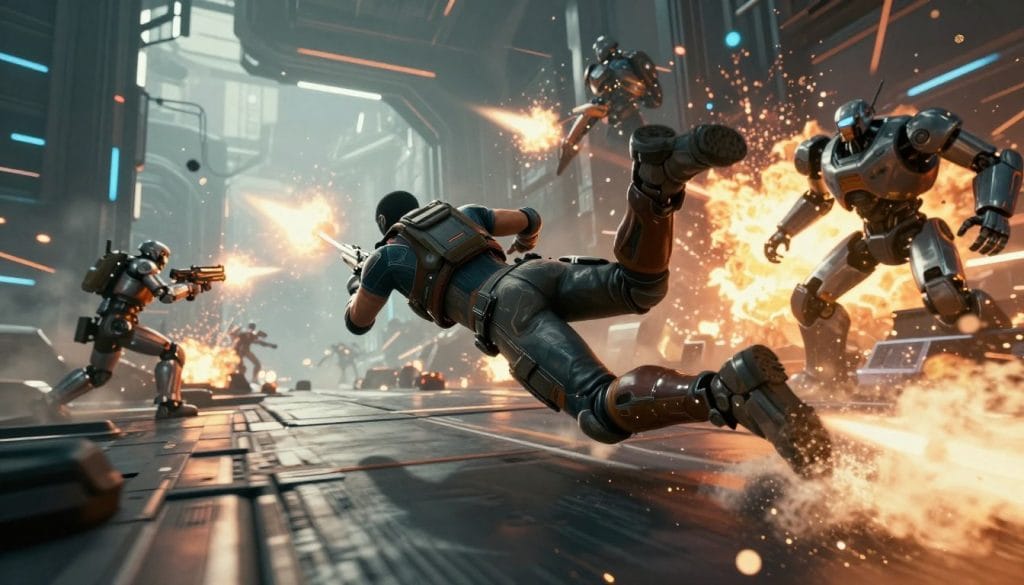
PlatinumGames’ high-octane shooter reinvented the genre’s pace with its revolutionary power-slide mechanic. Directed by Shinji Mikami (Resident Evil 4), Vanquish combines bullet-hell intensity with precision shooting in a package that remains uniquely exhilarating and influential.
Key Features:
- Revolutionary power-slide mechanic that transforms movement and combat
- Bullet-time shooting that activates dynamically when health is low
- Weapon upgrade system that encourages experimentation
- Blistering pace that remains unmatched in the genre
#7. Uncharted 2: Among Thieves (2009)
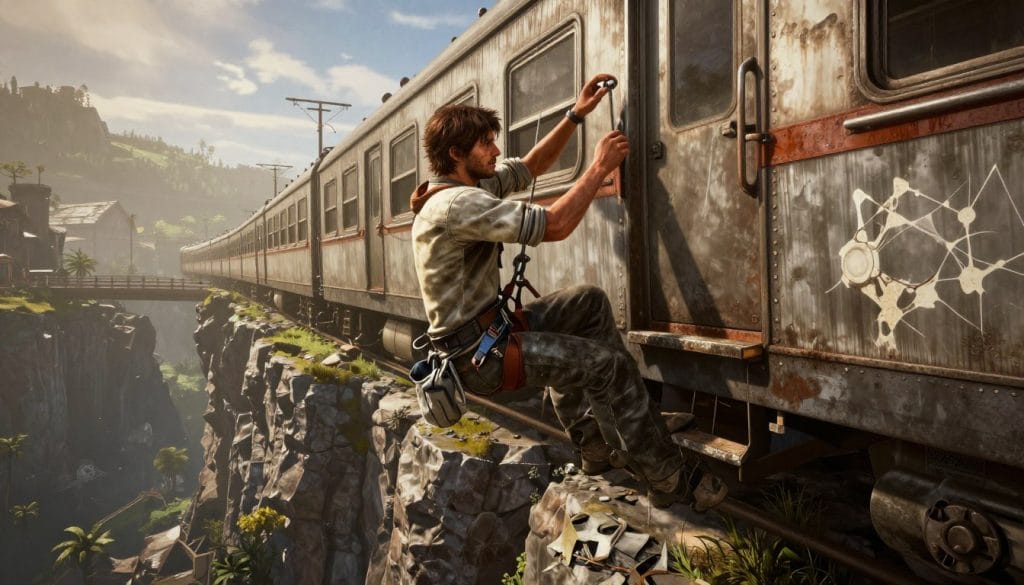
Naughty Dog’s action-adventure masterpiece elevated the cinematic potential of third-person shooters to new heights. With its perfect pacing, memorable set pieces, and charismatic protagonist, Uncharted 2 demonstrated how shooting mechanics could be seamlessly integrated with platforming and storytelling.
Key Features:
- Cinematic set pieces that blend shooting with environmental traversal
- Dynamic cover system that feels natural in varied environments
- Engaging narrative with Hollywood-quality character development
- Technical achievement in animation and environmental detail
#8. Control (2019)
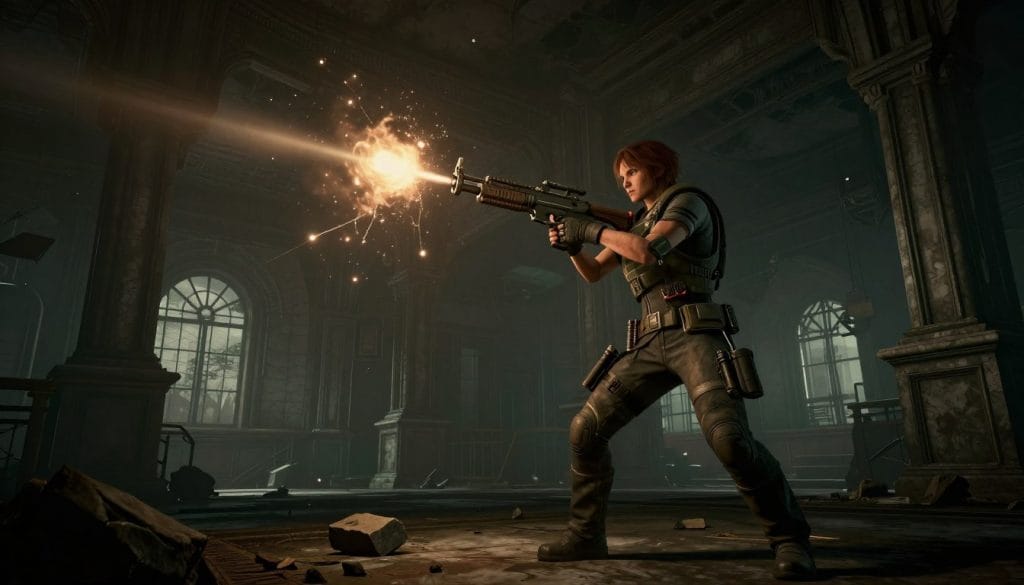
Remedy Entertainment’s supernatural thriller combines traditional shooting with telekinetic powers in a constantly shifting brutalist setting. With its mind-bending narrative, physics-based destruction, and innovative combat, Control represents a bold evolution of the third-person shooter formula.
Key Features:
- Telekinetic abilities that transform combat and environmental interaction
- Service Weapon that morphs between different firing modes
- Metroidvania-inspired progression through a shape-shifting building
- Physics-based destruction that makes every encounter unique
#9. Splatoon 2 (2017)
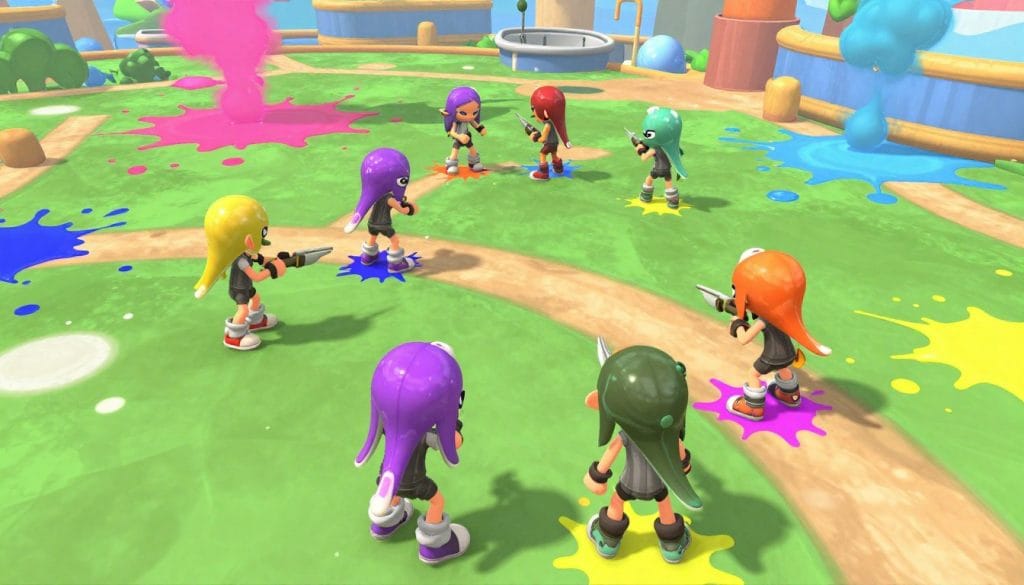
Nintendo’s family-friendly take on the shooter genre replaces bullets with ink and killing with “splatting” to create something wholly unique. With its territory control focus, transformation mechanics, and gyroscopic aiming, Splatoon 2 offers a refreshingly different approach to third-person shooting.
Key Features:
- Ink-based territory control that transforms movement and objectives
- Transformation between humanoid and squid forms for strategic advantages
- Diverse weapon types that support various playstyles
- Gyroscopic aiming that offers precision without traditional controls
#10. Warframe (2013)
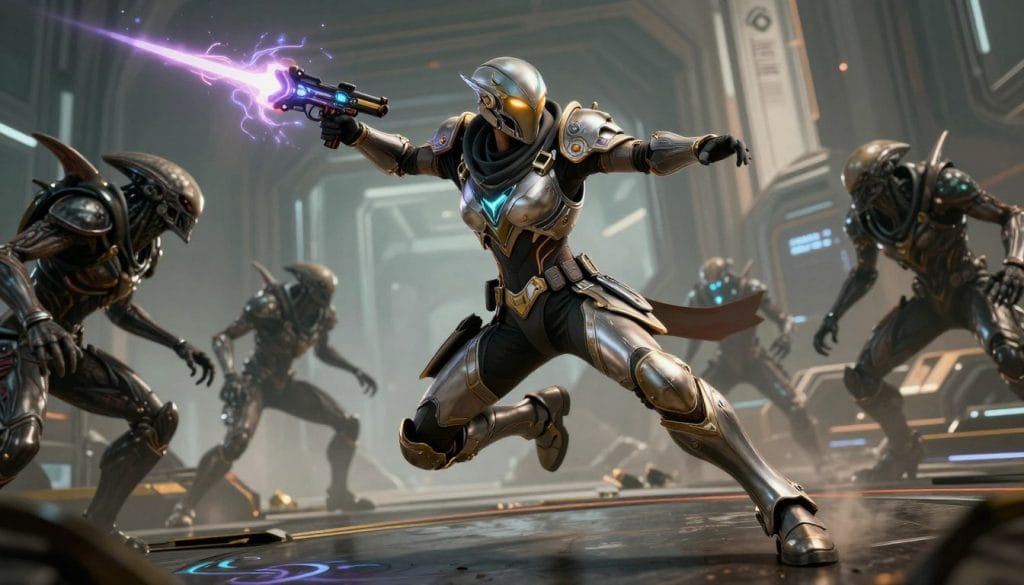
Digital Extremes’ free-to-play phenomenon combines lightning-fast movement with deep customization and constant evolution. With its unique “space ninja” aesthetic, hybrid melee/shooting combat, and commitment to regular updates, Warframe has grown from humble beginnings to become one of the most content-rich third-person shooters available.
Key Features:
- Parkour movement system that enables wall-running, sliding, and aerial maneuvers
- Extensive customization of Warframes, weapons, and abilities
- Seamless integration of melee and ranged combat
- Constant evolution through regular content updates
#11. Dead Space (2008/2023)
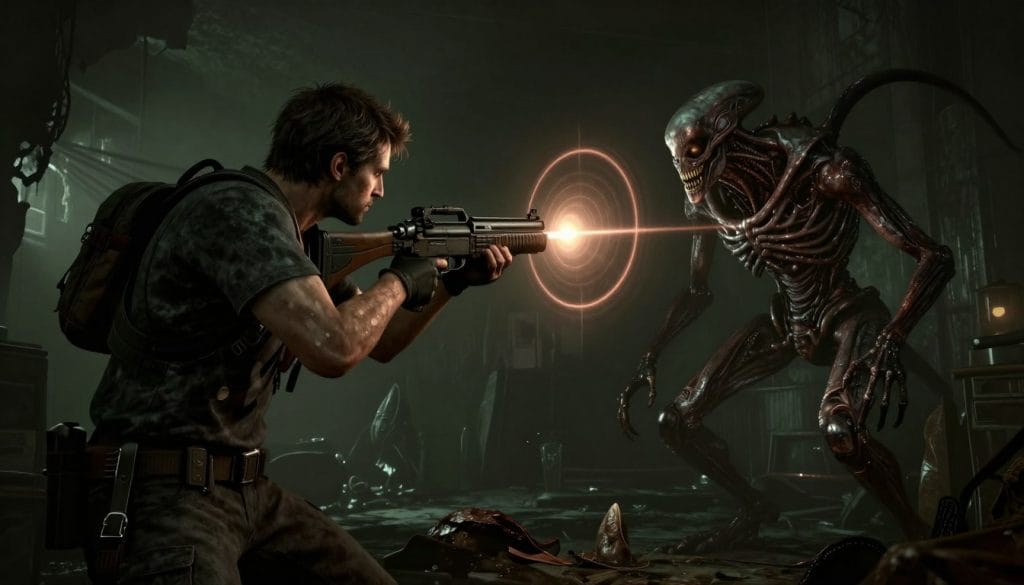
Visceral Games’ sci-fi horror masterpiece (and its excellent 2023 remake) revolutionized combat with its strategic dismemberment system. By encouraging players to target limbs rather than center mass, Dead Space created a uniquely tense and tactical shooting experience wrapped in an immersive horror package.
Key Features:
- Strategic dismemberment system that transforms enemy encounters
- Diegetic interface that maintains immersion
- Repurposed engineering tools as improvised weapons
- Zero-gravity sections that add dimension to combat
#12. Mass Effect 2 (2010)
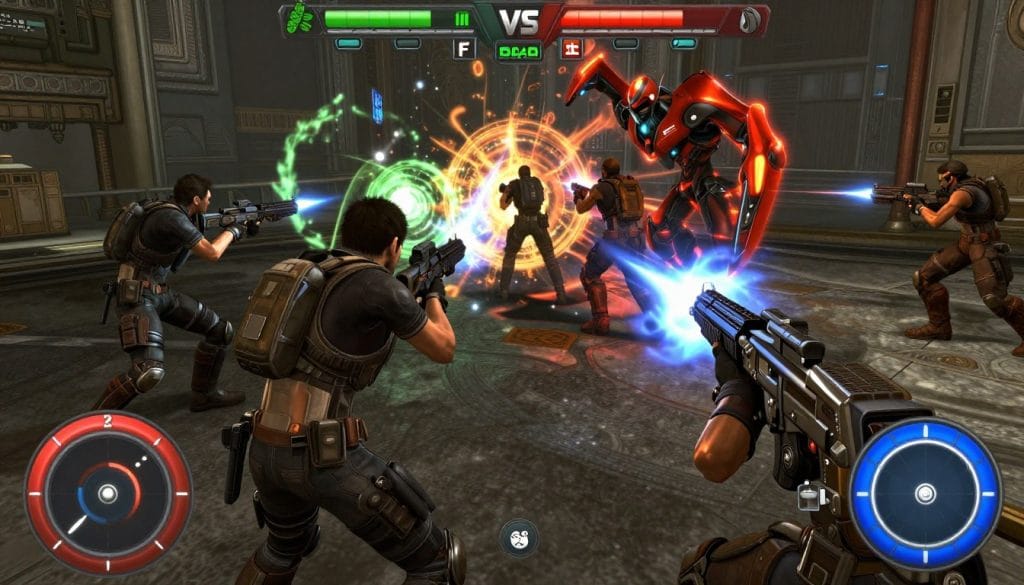
BioWare’s sci-fi epic perfectly balances RPG depth with satisfying third-person shooting. By streamlining the systems of its predecessor while deepening character development, Mass Effect 2 created a shooter experience where narrative choices felt as impactful as combat decisions.
Key Features:
- Class-based abilities that complement traditional shooting
- Squad command system that adds tactical depth
- Narrative choices with far-reaching consequences
- Character-specific loyalty missions that blend story and action
#13. Binary Domain (2012)
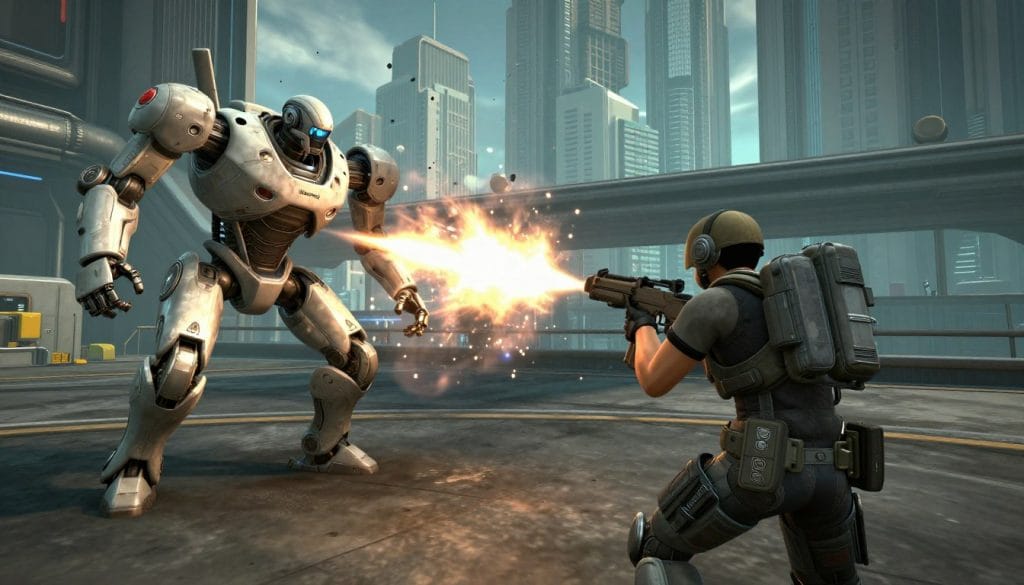
SEGA’s underappreciated gem features one of the most satisfying enemy reaction systems ever implemented in a shooter. As players damage robotic enemies, they progressively lose limbs and functionality, creating dynamic combat scenarios that reward precision and adaptability.
Key Features:
- Progressive dismemberment system that changes enemy behavior
- Trust system that affects squad relationships and story outcomes
- Voice command integration for squad orders
- Nanomachine enemies that adapt to player tactics
#14. Returnal (2021)
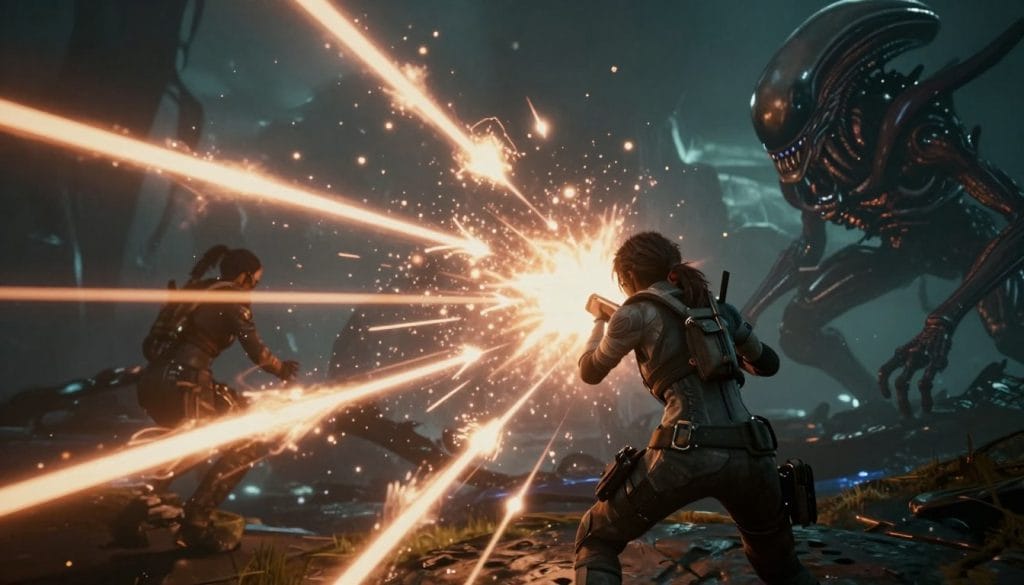
Housemarque’s roguelike shooter blends bullet-hell mechanics with third-person precision in a constantly changing alien landscape. With its punishing difficulty, psychological narrative, and haptic feedback integration on PS5, Returnal creates a uniquely immersive and challenging shooting experience.
Key Features:
- Bullet-hell patterns that require constant movement and precision
- Roguelike structure with permanent upgrades
- Adaptive trigger implementation for different firing modes
- Psychological horror narrative that unfolds through repeated cycles
#15. Alan Wake (2010)
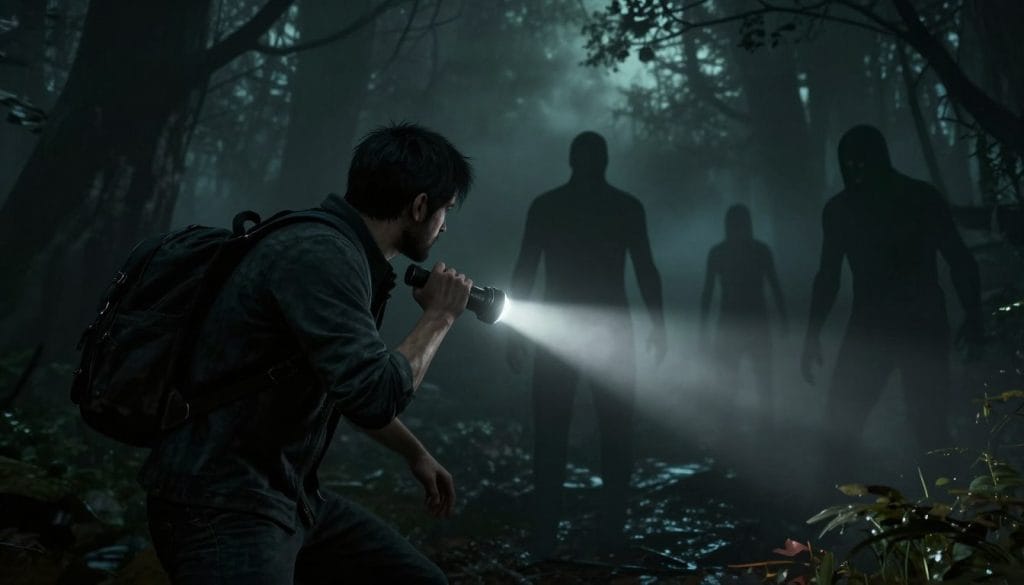
Remedy Entertainment’s psychological thriller uses light as both weapon and metaphor in a Stephen King-inspired narrative. By requiring players to weaken enemies with their flashlight before firing conventional weapons, Alan Wake created a uniquely tense rhythm to its combat that perfectly complemented its mystery-box storytelling.
Key Features:
- Light-based combat system that creates a two-step attack process
- Episodic structure with TV show-style pacing
- Environmental hazards and safe zones created by light sources
- Meta-narrative that blurs the line between fiction and reality
Honorable Mentions
While they didn’t make our top 15, these third-person shooters deserve recognition for their unique contributions to the genre:
Ratchet & Clank: Rift Apart
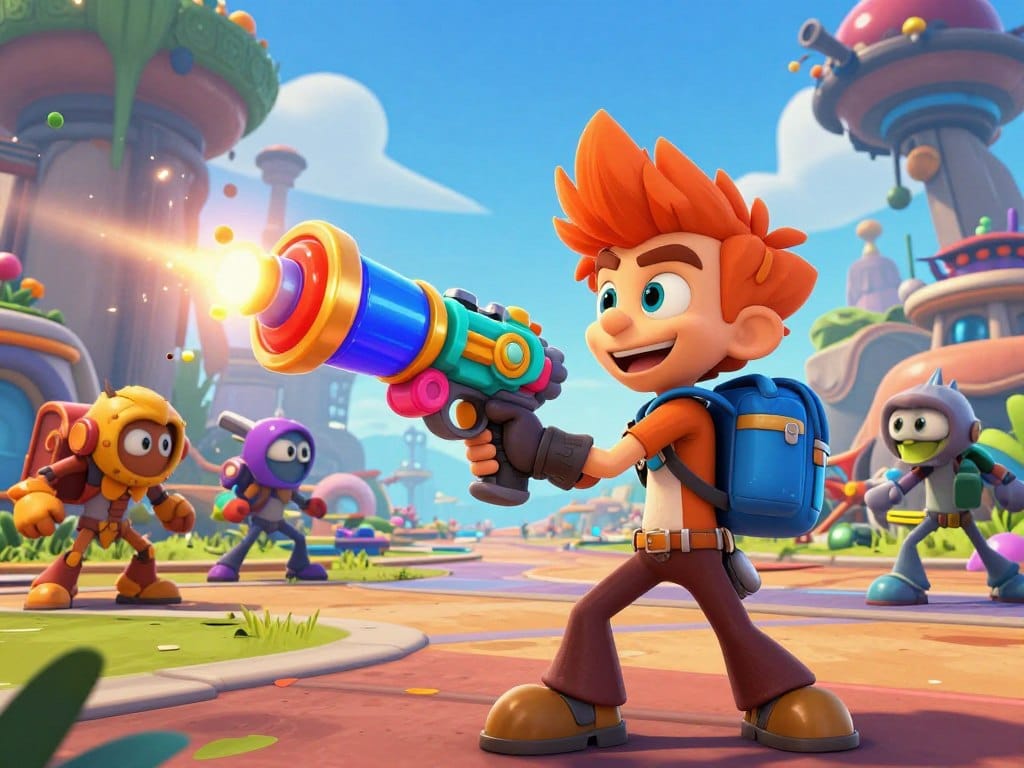
Insomniac’s PS5 showcase combines whimsical weapons with dimensional rifts for a technically impressive shooter-platformer hybrid.
Warhammer 40K: Space Marine
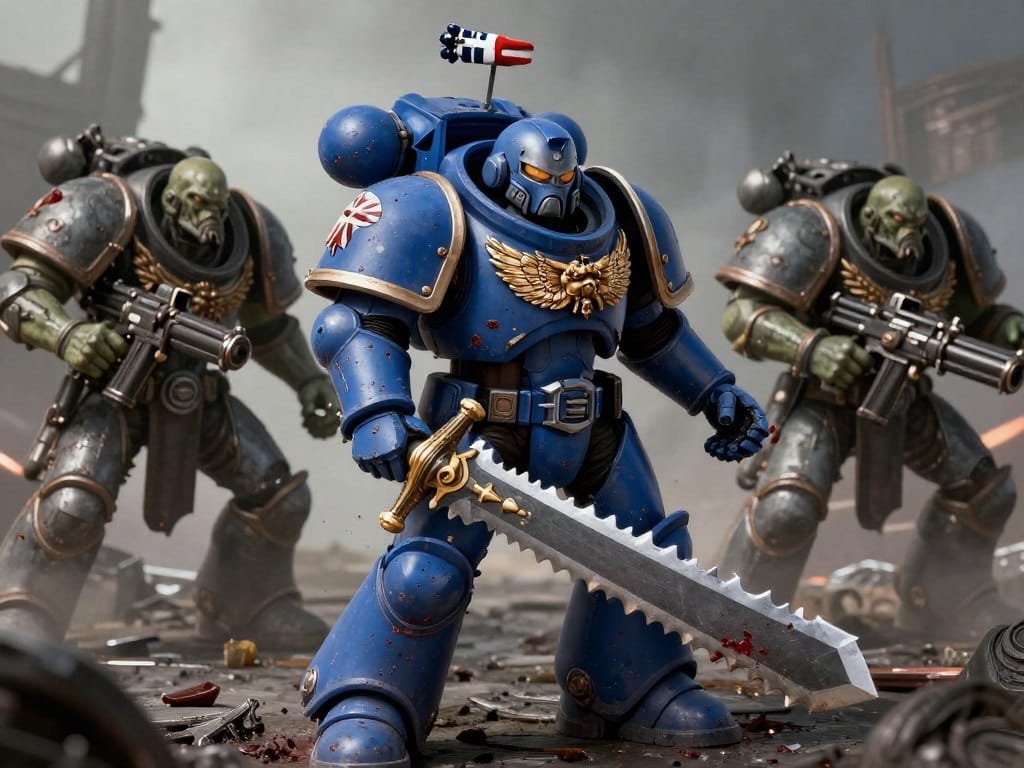
Relic Entertainment’s brutal action game perfectly captures the weight and power of being a Space Marine in the grim darkness of the far future.
Sunset Overdrive
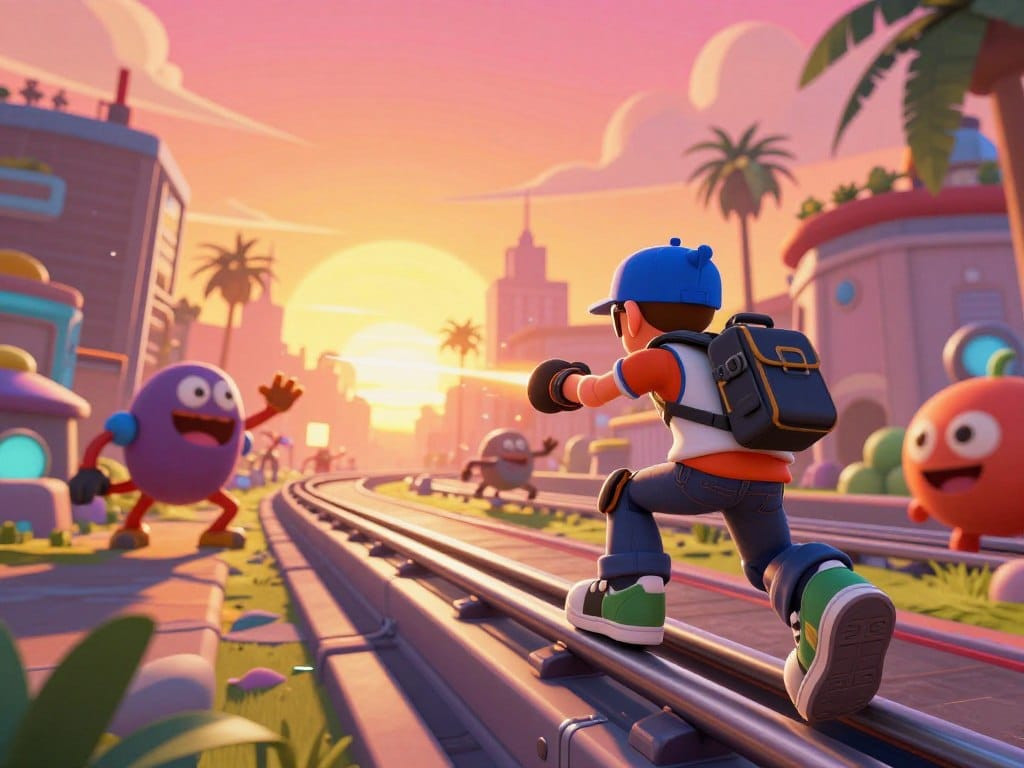
Insomniac’s irreverent open-world shooter combines skateboarding-inspired traversal with outlandish weapons in a punk rock apocalypse.
Freedom Fighters
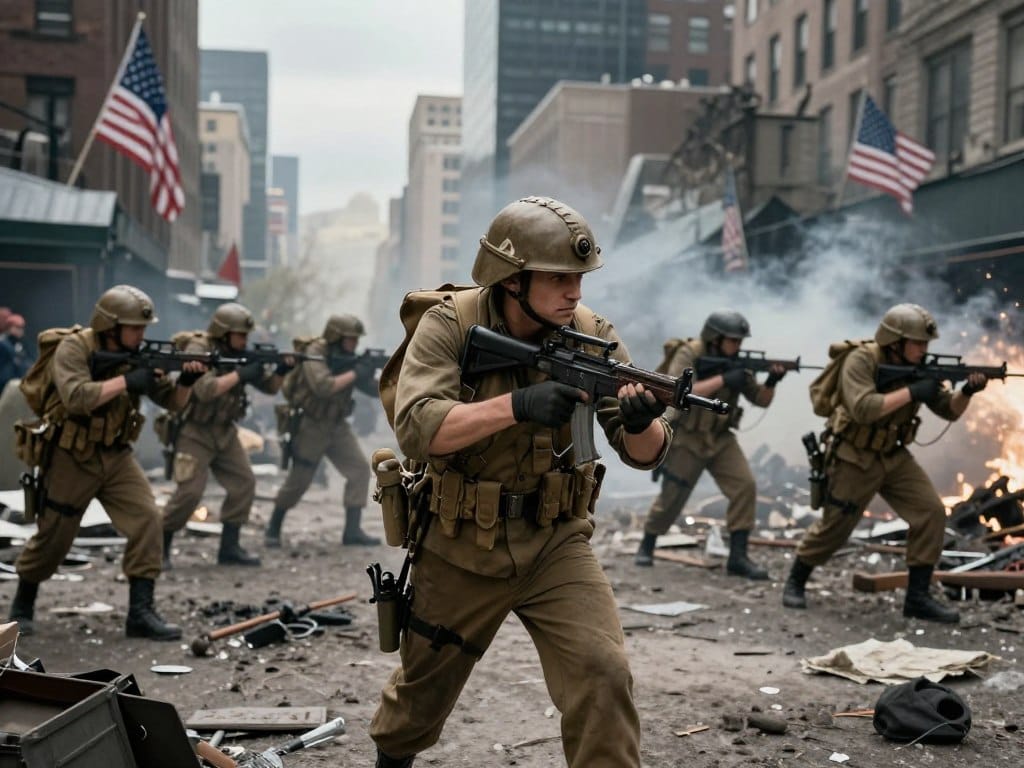
IO Interactive’s alternate history shooter combines squad commands with guerrilla warfare in occupied New York City.
Remnant 2
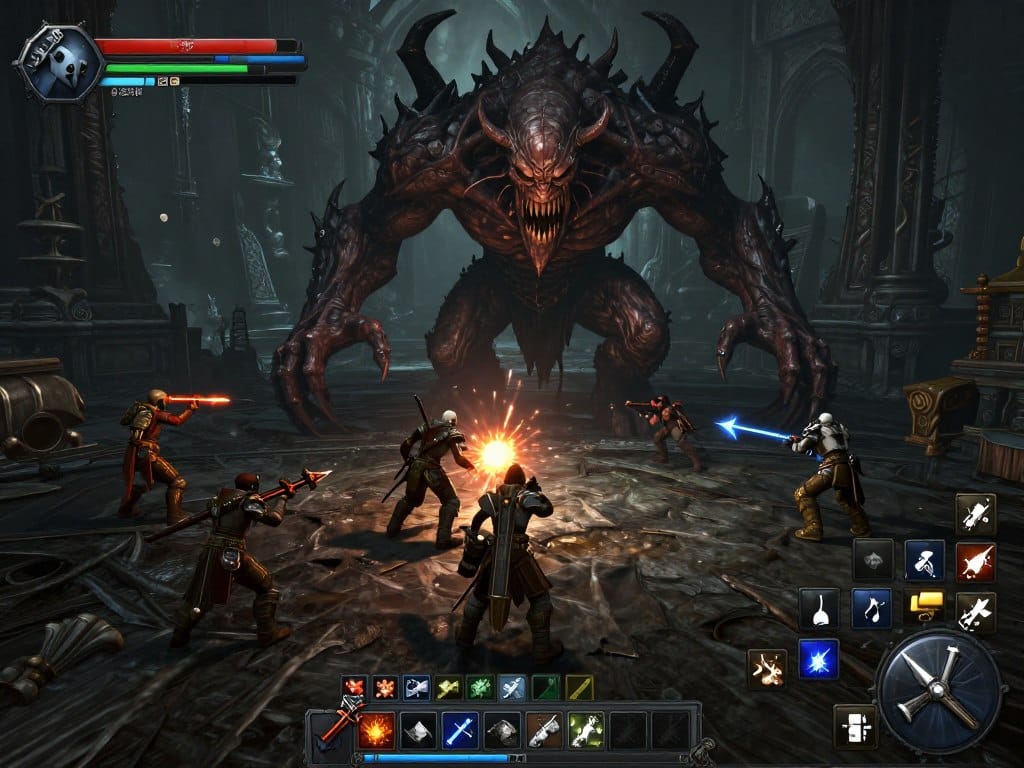
Gunfire Games’ soulslike shooter offers procedurally generated worlds and challenging boss encounters in a dark fantasy setting.
The Division
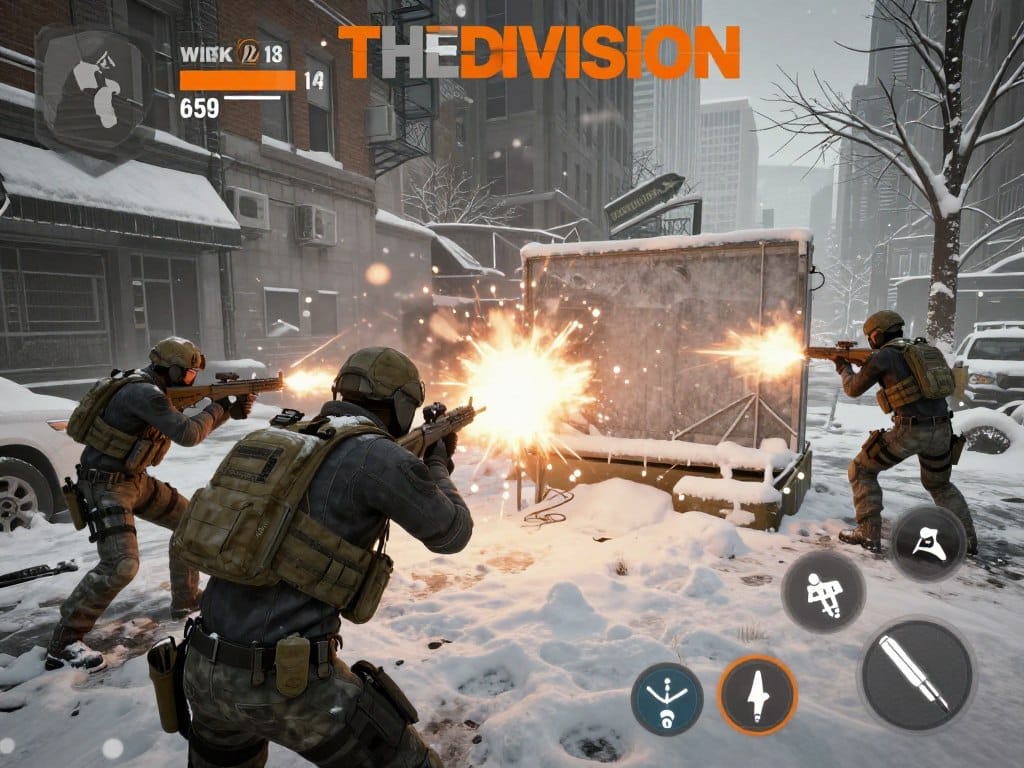
Massive Entertainment’s online shooter combines tactical cover combat with RPG progression in a pandemic-ravaged New York.
Why Third-Person Shooters Continue to Thrive
The third-person shooter genre continues to evolve and thrive because of its unique ability to balance immersion with visibility. By allowing players to see their character in the environment, these games create a stronger connection to the protagonist while still delivering intense action. From the noir-inspired bullet-time of Max Payne to the cover-based tactics of Gears of War to the light-versus-dark mechanics of Alan Wake, third-person shooters have consistently pushed gaming forward with innovative mechanics and storytelling approaches.
Whether you prefer the tactical precision of military shooters, the acrobatic chaos of character action games, or the atmospheric tension of horror-influenced titles, there’s a third-person shooter that caters to your preferences. The genre’s flexibility has allowed it to incorporate elements from RPGs, platformers, roguelikes, and more, ensuring its continued relevance in an ever-changing gaming landscape.
What's Your Favorite Third-Person Shooter?
We’ve shared our definitive ranking, but the beauty of gaming is in its subjectivity. Did your favorite make our list? Do you think another game deserves the top spot? Share your thoughts in the comments below and join the conversation about the best third-person shooter games of all time!